
EU Leaders Demand Coordinated Action to Combat Soaring Energy Prices
Key Takeaways
- EU leaders are pushing for a coordinated response to mitigate the impact of high energy prices on households and industry.
- The IEA warns that diesel market tightness and elevated prices are expected to persist until at least 2027.
- Geopolitical tensions in the Middle East and Ukraine continue to threaten energy supply chains and refinery stability.
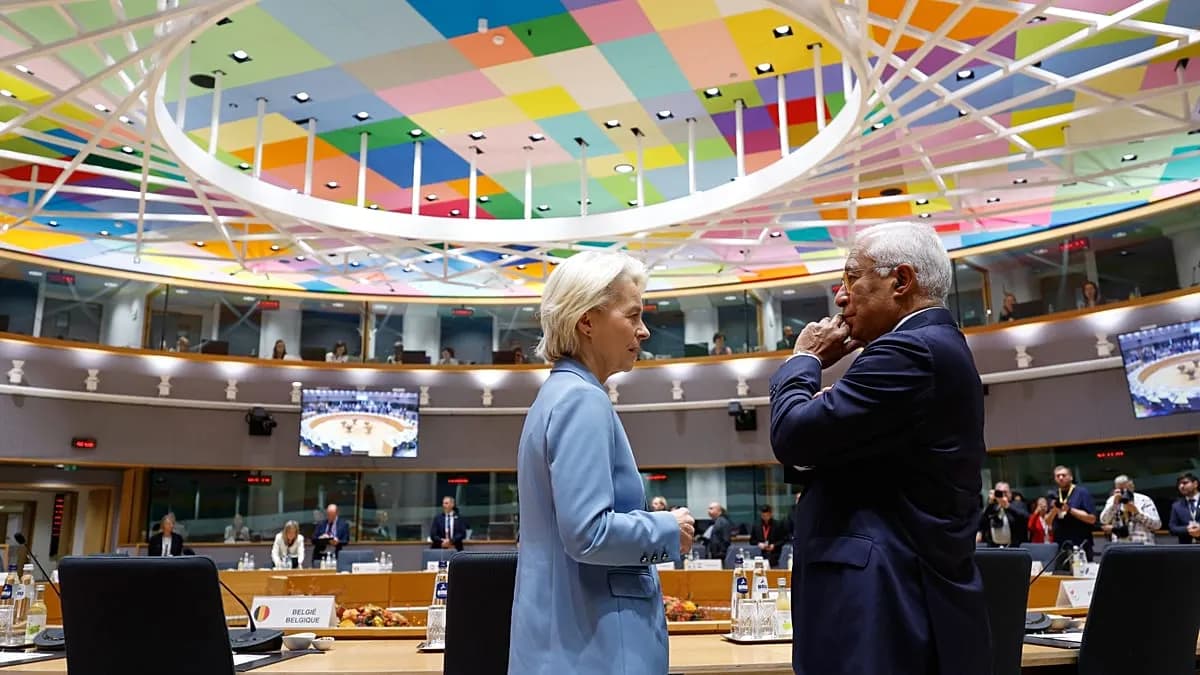
European Union leaders have formally requested that the European Commission implement targeted, temporary measures to alleviate the economic burden of skyrocketing energy costs on households and businesses. Following extensive negotiations at the European Council summit, officials emphasized the need for a unified strategy to replace fragmented national responses, aiming to protect energy-intensive industries and vulnerable citizens from the ongoing crisis.
The urgency of the situation is underscored by data from the International Energy Agency (IEA), which warned that diesel markets will remain tight through 2027. Wholesale diesel prices currently hover at nearly double pre-crisis levels and crude oil benchmarks. Greek Prime Minister Kyriakos Mitsotakis highlighted that energy costs are the primary driver of current European inflation, while Finnish Prime Minister Petteri Orpo stressed the immediate necessity of guaranteeing affordable prices for both consumers and the industrial sector.
This crisis is exacerbated by geopolitical instability, including the conflict in the Middle East and ongoing disruptions to global supply chains. Concerns regarding the security of energy supplies have prompted leaders to explore voluntary joint purchasing platforms, similar to those established following the Russian invasion of Ukraine. Furthermore, the decline in European oil refinery capacity since 2009 has left the bloc increasingly susceptible to external shocks, forcing a re-evaluation of strategic energy autonomy.
Looking ahead, the EU faces a difficult balancing act between providing immediate financial relief and maintaining fiscal sustainability. Analysts from State Street Investment Management have cautioned that nations like France and Belgium are approaching unsustainable debt levels due to prolonged support measures. As the Commission debates the next multi-annual budget, the tension between long-term green transition goals and short-term economic survival remains a central point of contention among member states, with environmental regulations facing potential delays to ease immediate market pressures.
Reader Discussion
Leave a Comment
0 Comments
Owner
Editorial Oversight & Machine-Assisted Reporting
Human-in-the-Loop VerifiedEditorial Oversight & Machine-Assisted Reporting: This dispatch was synthesized and localized via OPA automated intelligence under continuous human editorial supervision.
Wire Source
This report was synthesized from Euro News under journalistic fair use.