
Taylor Swift is staying one step ahead of AI by legally protecting her voice and image
Key Takeaways
- Taylor Swift has registered audio clips and iconic imagery with the U.S. Patent and Trademark Office to combat AI-generated deepfakes.
- The legal strategy allows the singer to pursue litigation against any unauthorized use of her identity for economic or political purposes.
- Prominent figures like Matthew McConaughey are adopting similar strategies, signaling a broader industry shift toward proactive digital identity protection.
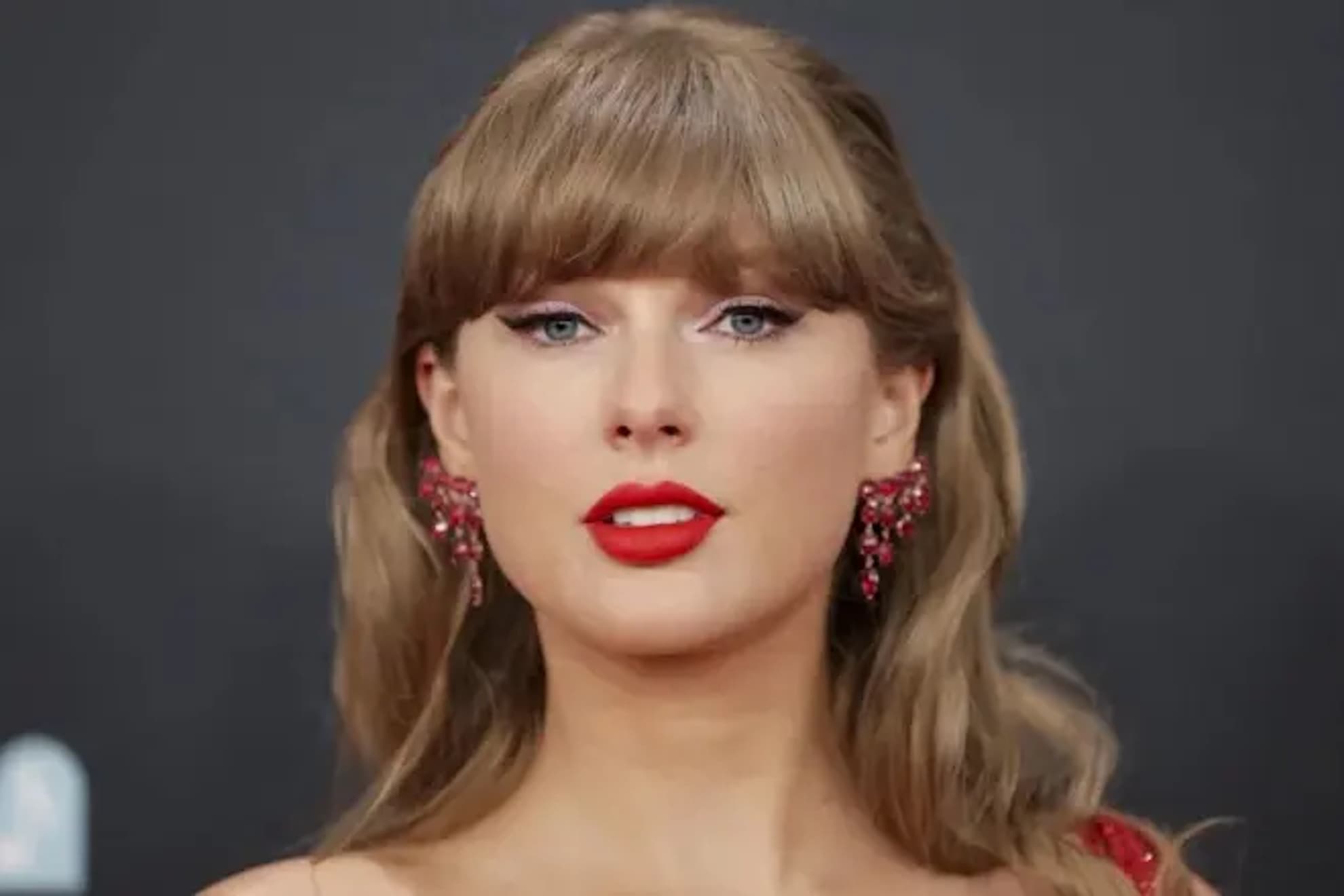
Global superstar Taylor Swift is taking proactive legal measures to safeguard her digital identity against the rapid proliferation of generative artificial intelligence. As deepfake technology becomes increasingly sophisticated, the singer has officially registered key elements of her persona with the U.S. Patent and Trademark Office. This strategic move aims to create a robust legal barrier, making it significantly more difficult for malicious actors to generate unauthorized imitations of her voice or likeness for deceptive purposes.
The registration includes two specific audio clips featuring the singer’s voice—specifically the phrases "Hey, it's Taylor Swift" and "Hey, it's Taylor"—along with an iconic photograph captured during her record-breaking Eras Tour. By securing these intellectual property rights, Swift is not merely protecting specific assets but is establishing a legal precedent that allows her to pursue litigation against any entity that uses her identity for economic, political, or fraudulent gain. This action follows a history of the artist being targeted by manipulated content, including inappropriate deepfakes that caused widespread public outcry.
The cultural industry has been grappling with the ethical and legal implications of AI for several years. Without comprehensive federal regulations, artists have found themselves vulnerable to the unauthorized use of their likenesses. Swift’s decision to leverage trademark law reflects a growing trend among high-profile celebrities who are no longer waiting for legislative bodies to catch up with technological advancements. The lack of clear, enforceable laws regarding digital identity has forced creators to take matters into their own hands to protect their brands and personal integrity.
This defensive strategy is already gaining traction across the entertainment sector. Other prominent figures, including actor Matthew McConaughey, have begun registering signature phrases and personal recordings to fortify their public image against digital exploitation. The ramifications of this shift are significant; it signals a new era where an artist's voice and image are treated as strictly protected intellectual property, similar to a corporate logo or a proprietary software code. This creates a deterrent effect for platforms and individuals who might otherwise profit from AI-generated misinformation.
Looking ahead, industry experts suggest that such initiatives provide essential legal resources in a landscape where technology is advancing at an unprecedented pace. While these patents offer a strong shield, analysts note that the battle against AI-generated counterfeits will likely remain a long-term challenge. As the legal system continues to evolve, the precedent set by Swift and her peers will likely serve as a blueprint for future protections, forcing tech companies to implement stricter safeguards to prevent the misuse of human identity in the digital age.
Reader Discussion
Leave a Comment
0 Comments
Owner
Editorial Oversight & Machine-Assisted Reporting
Human-in-the-Loop VerifiedEditorial Oversight & Machine-Assisted Reporting: This dispatch was synthesized and localized via OPA automated intelligence under continuous human editorial supervision.
Wire Source
This report was synthesized from Marca under journalistic fair use.