
Jews once lived here: When houses tell stories
Key Takeaways
- The 'Denk Mal Am Ort' initiative has organized 90 commemorative events in eight cities this year to connect current residents with descendants of Jewish families.
- Nazi laws in 1939 forced Jewish citizens into 'Judenhäuser,' stripping them of their property and rights before systematic deportation to camps.
- Personal archives, such as legal documents found in family attics, are proving essential in reconstructing the lives and fates of Holocaust victims.
In an old Berlin apartment building on Rosenheimer Strasse, current resident Marie Rolshoven feels the weight of history every time she crosses her threshold. She knows that Jewish families once lived in her home before they were systematically driven out and murdered during the Nazi era. This realization has transformed her living space into a site of active remembrance, where the past is not merely studied in books but felt through the physical environment of everyday life.
Historical records reveal the brutal efficiency of the Nazi regime in stripping Jewish citizens of their rights. By 1939, laws forced Jewish tenants into designated 'Judenhäuser' or Jewish houses, often leading to overcrowding and eventual deportation to concentration camps. Joseph Goebbels famously declared his intent to cleanse the Reich of Jews, a goal that resulted in the displacement and death of countless residents who once called these apartments home. Today, initiatives like 'Denk Mal Am Ort' work to document these fates, often connecting current residents with the descendants of those who were forced to flee.
This movement of intergenerational remembrance is gaining momentum as descendants seek to reclaim their family histories. For many, like Claudia Samter, whose aunt lived in Rolshoven's apartment, these visits provide a unique form of closure that a cemetery cannot offer. The act of sitting at a kitchen table where a victim once lived allows for a profound emotional connection, bridging the gap between the traumatic past and the present day. These encounters serve as a living memorial, ensuring that the individual stories of those lost to the Holocaust are not forgotten.
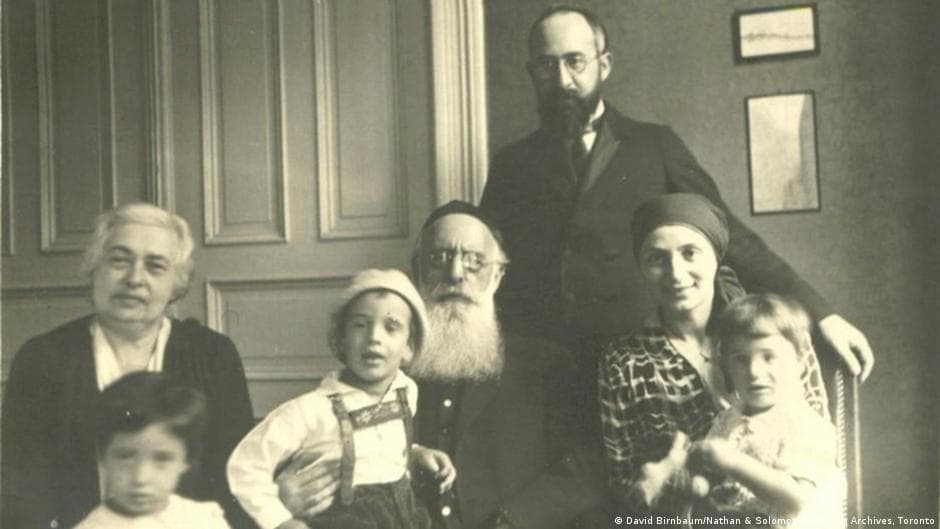
Recent research by individuals like Adam Ethan Klein highlights the personal impact of these historical investigations. After discovering a suitcase of documents in his grandmother's attic, Klein learned that his great-grandfather was stripped of his legal career by the Nazis in 1933. This discovery, coupled with rising antisemitism in Europe, spurred him to trace his family's roots across Germany. His journey led to a serendipitous meeting in Stuttgart with Thomas Koch, the current resident of his ancestors' former home, proving that the past remains inextricably linked to the present.
As the generation of eyewitnesses fades, the importance of these physical connections becomes paramount. Experts suggest that engaging with the specific sites of history fosters a deeper empathy than traditional monuments. By opening their homes to descendants, current residents are creating a new form of memorial culture that emphasizes human connection and shared history. This ongoing process of discovery and reconciliation serves as a powerful reminder of the human cost of hatred and the enduring necessity of keeping these stories alive for future generations.
Reader Discussion
Leave a Comment
0 Comments
Owner
Editorial Oversight & Machine-Assisted Reporting
Human-in-the-Loop VerifiedEditorial Oversight & Machine-Assisted Reporting: This dispatch was synthesized and localized via OPA automated intelligence under continuous human editorial supervision.
Wire Source
This report was synthesized from DW English under journalistic fair use.