
Portugal balances modern Halloween with ancient Pão por Deus traditions
Key Takeaways
- Pão por Deus is a traditional Portuguese practice observed on November 1, often linked to the 1755 Lisbon earthquake.
- The Festa da Cabra e do Canhoto in Cidões revives Celtic traditions involving bonfires and the transition of seasons.
- Halloween gained popularity in Portugal during the 1990s, existing alongside older, localized folk customs.
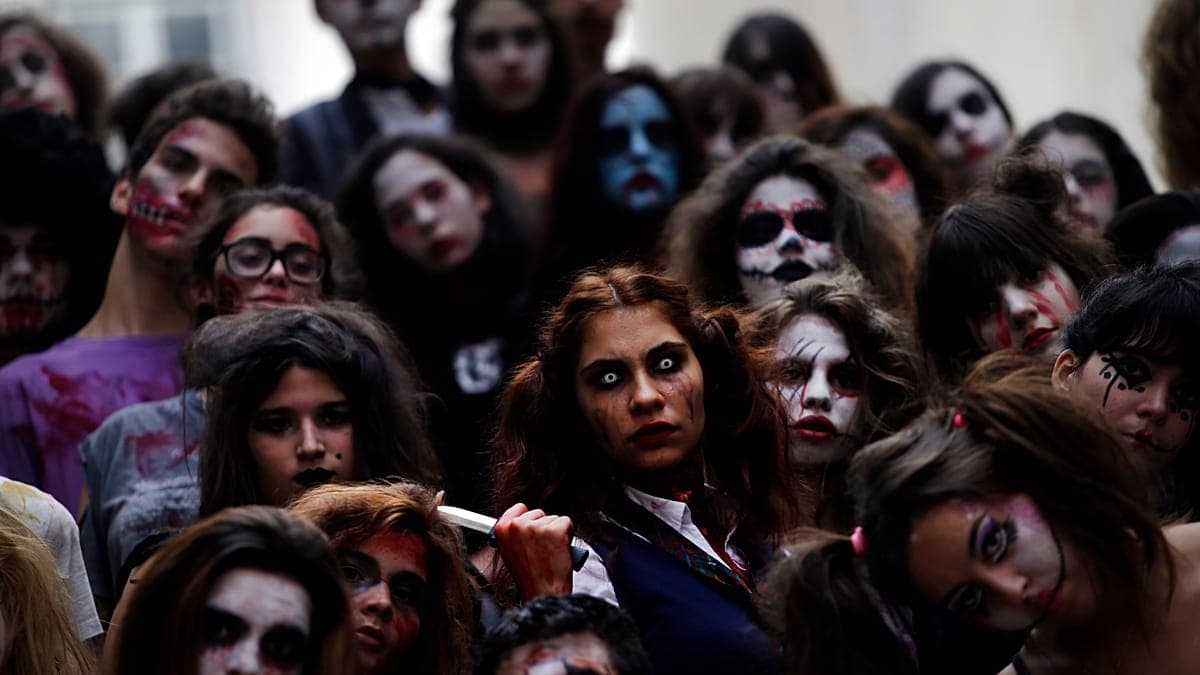
OPA WIRE, Oct 30 (OPA) — As October 31 approaches, Portuguese shops and schools increasingly feature the familiar iconography of Halloween, including pumpkins and costumes. Despite the rise of the imported 'trick or treat' custom, the morning of November 1 remains anchored in the traditional 'Pão por Deus' practice. On this public holiday, children carry cloth bags door-to-door, reciting verses to request bread, cakes, or sweets in a gesture of communal sharing.
Historical accounts link the origins of 'Pão por Deus' to the aftermath of the 1755 Lisbon earthquake, when survivors sought food to alleviate widespread famine. Regional variations persist today, such as the 'Dia do Bolinho' in Estremadura and the skull-shaped 'caspiadas' cakes found in the Azores. Unlike the competitive nature of modern Halloween, these local traditions emphasize charity and the remembrance of the deceased.
Northern Portugal maintains distinct rituals tied to Celtic heritage, particularly in the village of Cidões. The 'Festa da Cabra e do Canhoto' involves a large bonfire and the consumption of goat, symbolizing the transition from the 'bright season' to the 'dark season.' Similarly, the 'Noite dos Fachos' in Vilar de Perdizes features participants climbing the Serra do Larouco with lit torches to ward off spirits, a practice deeply rooted in the region's ancient supernatural folklore.
These celebrations highlight the intersection of globalized cultural trends and localized heritage. While Halloween has become a fixture since the 1990s, the persistence of ancestral rituals like the 'Aldeia Assombrada' in Vilar de Perdizes demonstrates a continued commitment to regional identity. These events serve as a seasonal bridge between the living and the dead, preserving customs passed down through generations.
Subscribe to the Global Briefing
Receive our flagship executive dispatch every morning. Essential geopolitical analysis, financial benchmarks, and breaking world events delivered to your inbox.
Mohammad Karamali
Verified Wire ContributorSenior correspondent covering geopolitics, regional developments, and strategic international affairs for OPA News (Optimum Public Affairs).
Related Stories & Follow-ups
Editorial Wire Culture & Arts
Bestselling Author and Former Conservative Politician Jeffrey Archer Dies at 86
 Culture & Arts
Patrick Stewart, Star Trek and X-Men Actor, Dies at 86
 Culture & Arts
Duane 'Keffe D' Davis Sentenced to 40 Years to Life for Tupac Shakur Murder
Reader Discussion
Leave a Comment
0 Comments
Owner
Editorial Oversight & Machine-Assisted Reporting
Human-in-the-Loop VerifiedEditorial Oversight & Machine-Assisted Reporting: This dispatch was synthesized and localized via OPA automated intelligence under continuous human editorial supervision.
Wire Source
This report was synthesized from Euro News under journalistic fair use.