
Tracing History, Culture, and Trade Along Turkey’s Bartın River
Key Takeaways
- Bartın celebrated the 150th anniversary of its municipality during the 28th annual Bartın Book Fair.
- The region exported timber and eggs to European markets via the Bartın River during the late 19th century.
- The Kuşkayası Road Monument in Amasra is Anatolia's only known Roman road monument, built between 41 and 54 AD.
ANKARA, Nov 22 (OPA) — Invited to the 28th Bartın Book Fair, a visiting author expanded the traditional literary itinerary into a cultural exploration of the northern Turkish province. Celebrating its 150th municipal anniversary, the city sits along the Bartın River, formed by the convergence of the Kocaçay and Kocanaz streams. Historical archives reveal that the waterway once served as a bustling commercial corridor where ships navigated inland to load regional timber and, notably, eggs destined for European markets, including Germany, in the late 19th century.
Evidence of this vibrant past is preserved within the Bartın Municipality City Museum and the Kemal Samancıoğlu Ethnography Museum. Housed in a traditional three-story wooden structure featuring an old municipal jeep and stone well, the ethnography museum exhibits regional artifacts ranging from copperware and weaving to historic documents. Among the collections is a local newspaper clipping dated July 30, 1936, announcing plans for a statue of modern Turkey's founder, Mustafa Kemal Atatürk, highlighting the region's early dedication to cultural development under the republic.
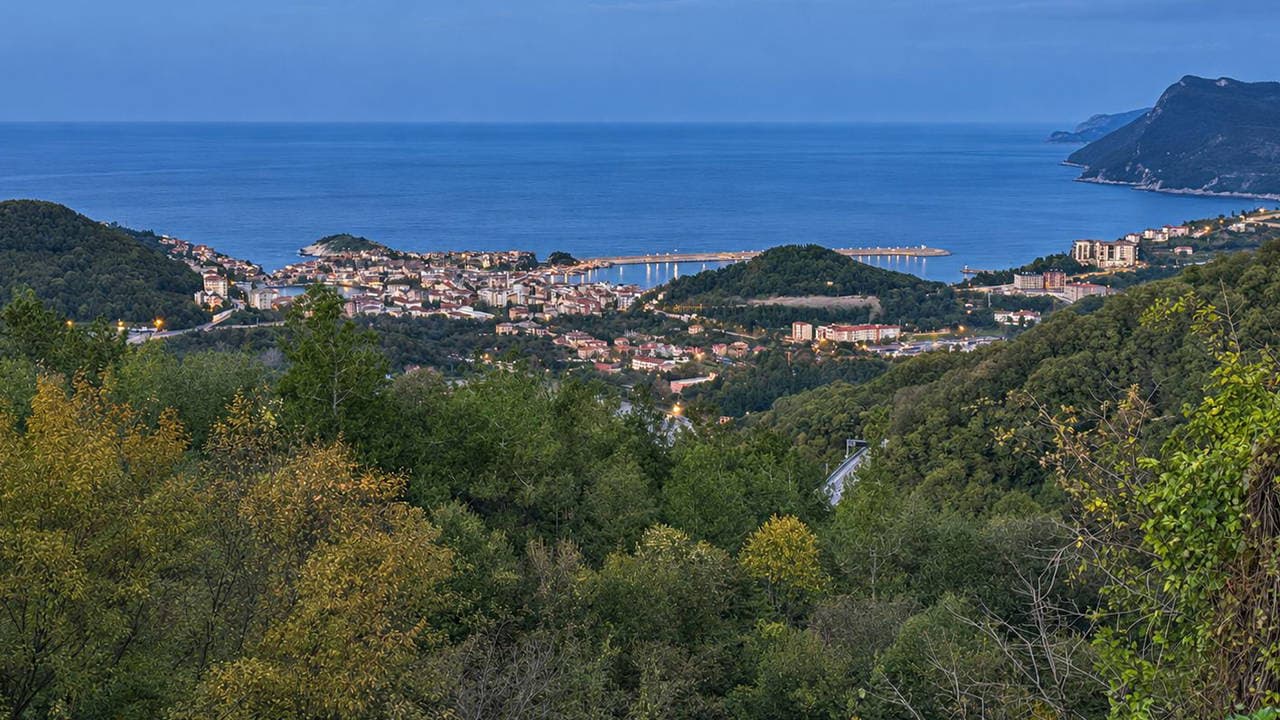
Beyond the city center, the journey extended to the mountainous coastline of Amasra, home to Anatolia's only known Roman road monument. Commissioned during the reign of Roman Emperor Claudius between 41 and 45 AD, the Kuşkayası Road Monument features a carved human figure, a Roman eagle, and inscriptions detailing messages of peace and friendship. The ancient site overlooks steep mountain passes and historical pathways that date back nearly two millennia.
Amasra continues to draw visitors with its dramatic peninsular landscape, historic stone walls, and fishing ports, echoing the legendary remark attributed to Ottoman Sultan Mehmed II upon viewing the vista. Local culinary traditions, including crisp red mullet served with elaborate Amasra salads, complement the regional exploration. Concluding the trip with tea brewed from local Kavşak water by the riverbanks, the author noted the enduring local legend that anyone who tastes the water is destined to return to Bartın.
Subscribe to the Global Briefing
Receive our flagship executive dispatch every morning. Essential geopolitical analysis, financial benchmarks, and breaking world events delivered to your inbox.
Mohammad Karamali
Verified Wire ContributorSenior correspondent covering geopolitics, regional developments, and strategic international affairs for OPA News (Optimum Public Affairs).
Related Stories & Follow-ups
Editorial Wire


Reader Discussion
Leave a Comment
0 Comments
Owner
Editorial Oversight & Machine-Assisted Reporting
Human-in-the-Loop VerifiedEditorial Oversight & Machine-Assisted Reporting: This dispatch was synthesized and localized via OPA automated intelligence under continuous human editorial supervision.
Wire Source
This report was synthesized from Cumhuriyet under journalistic fair use.