
New Memoir Explores Educational Philosophy of Late Ayatollah Haeri Shirazi
Key Takeaways
- The newly published book "Mohieddin" features roughly 110 first-person anecdotes by the late Ayatollah Mohieddin Haeri Shirazi.
- The publication highlights his educational philosophy focused on aligning human nature with inner conscience.
- Associate Hojatoleslam Mehdi Mandegari notes the cleric's extensive use of parables, literature, and critique of usury.
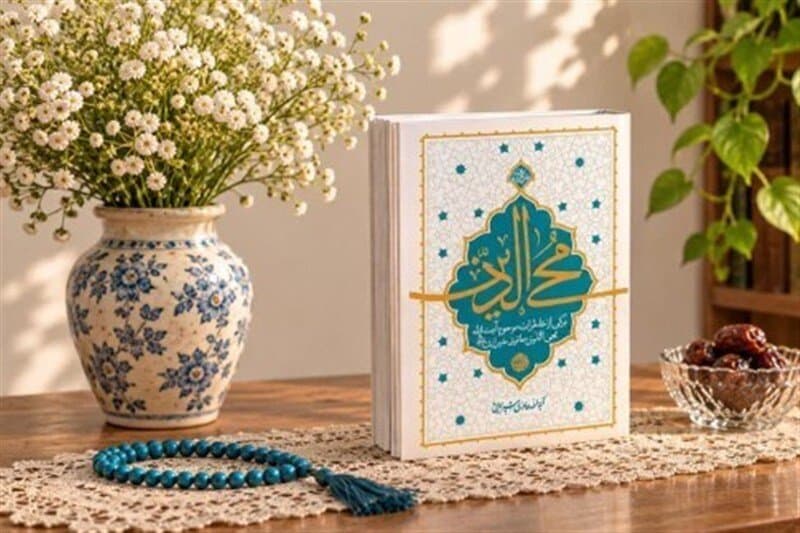
TEHRAN, Nov 22 (OPA) — The newly released book "Mohieddin: A Leaf from the Memoirs of the Late Ayatollah Mohieddin Haeri Shirazi" presents roughly 110 short, independent narratives told from the first-person perspective. Rather than serving as a conventional formal biography, the text utilizes the late cleric's daily experiences and family interactions to impart educational and religious lessons. In his teachings, Ayatollah Haeri Shirazi consistently positioned himself as an educator who believed true development occurs when innate human nature triumphs over base physical impulses, an overarching theme across his previous works including "Path of Growth" and "Religious Education of the Child."
Cleric Hojatoleslam Mehdi Mandegari, a close associate, noted that the late scholar maintained a profound affinity for the Quran, Nahj al-Balagha, and the poetry of Hafez, frequently using literature as a mechanism for spiritual introspection. Mandegari emphasized that Haeri Shirazi viewed poetry not merely as artistic expression, but as a framework for understanding psychological states and navigating spiritual growth. Furthermore, the memoir documents the scholar's broader social concerns, ranging from advocating for modernized marriage frameworks suited to contemporary realities to his vocal opposition against usury, which he condemned as a destructive force disrupting societal and ethical norms.
Throughout his life, Haeri Shirazi relied heavily on parables and allegories to convey complex theological concepts, a method designed to bridge abstract ideas with tangible human experiences. Mandegari observed that the cleric's teaching methodology prioritized clarity and comprehension through storytelling, effectively replacing direct lecturing with illustrative narratives that encourage personal reflection. The book captures these elements through everyday anecdotes that challenge readers to reevaluate their personal conduct, economic habits, and interpersonal relationships without resorting to overt moralizing.
The publication also sheds light on the cleric's personal lifestyle, characterized by simplicity and a rejection of conventional luxuries during his travels. Observers noted his strict adherence to traditional habits, opting for automobile transport over air travel while maintaining a distinct focus on fostering internal conscience and intellectual independence in youth rather than relying on external coercion. The release of "Mohieddin" provides researchers and readers alike with a structured documentation of his socio-religious philosophy, preserving his methodological contributions to traditional education and public discourse.
Subscribe to the Global Briefing
Receive our flagship executive dispatch every morning. Essential geopolitical analysis, financial benchmarks, and breaking world events delivered to your inbox.
Mohammad Karamali
Verified Wire ContributorSenior correspondent covering geopolitics, regional developments, and strategic international affairs for OPA News (Optimum Public Affairs).
Related Stories & Follow-ups
Editorial Wire


Reader Discussion
Leave a Comment
0 Comments
Owner
Editorial Oversight & Machine-Assisted Reporting
Human-in-the-Loop VerifiedEditorial Oversight & Machine-Assisted Reporting: This dispatch was synthesized and localized via OPA automated intelligence under continuous human editorial supervision.
Wire Source
This report was synthesized from Khabar Online under journalistic fair use.