
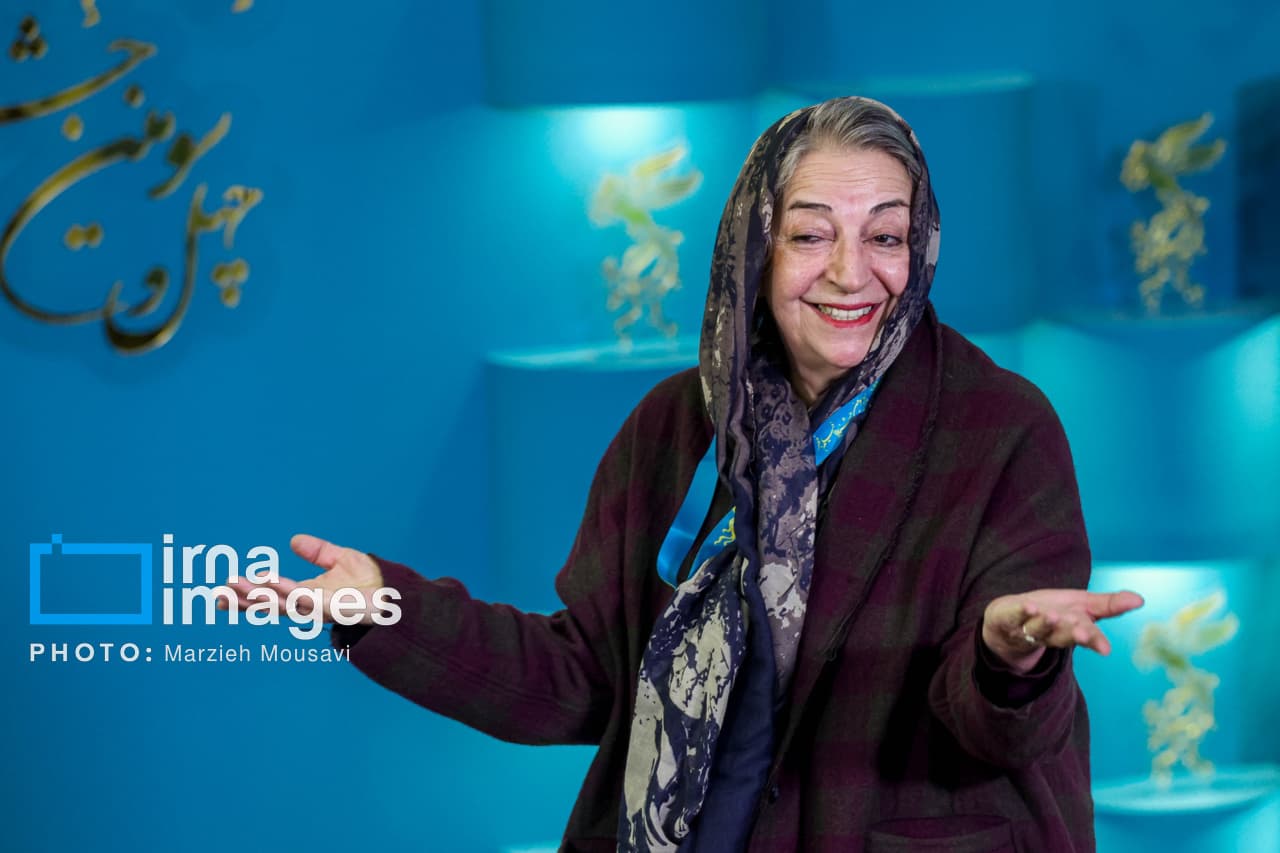
Marzieh Boroumand Criticizes Inequality in Iran's Theater Access
Key Takeaways
- Marzieh Boroumand criticized systemic inequalities in Iran's theatrical arts sector.
- The veteran director stated that wealthy private schools have monopolized theater access.
- Children in marginalized areas and impoverished outskirts face severe disadvantages in artistic development.
TEHRAN, Nov 23 (OPA) — Veteran Iranian cinema and theater director Marzieh Boroumand has sharply criticized the unequal distribution of artistic resources across the country, labeling the stark contrast between affluent districts and underprivileged regions as blatant injustice. In recent statements, she highlighted how well-resourced private schools dominate theatrical activities and resources, leaving disadvantaged youths and children in impoverished outskirts with virtually no access to cultural infrastructure.
Boroumand argued that the commercialization of theatrical arts in select educational institutions actively strips away opportunities from talented individuals who lack financial backing. The acclaimed director emphasized that artistic training and performance spaces should remain accessible to all socioeconomic backgrounds rather than serving as exclusive privileges for wealthy students.
The comments highlight a long-standing debate within Iran's cultural community regarding state support, institutional funding disparities, and the commercialization of arts education. Critics frequently point out that while capital-rich private academies thrive with modern facilities, public and community-level artistic initiatives in peripheral regions face severe budgetary constraints and infrastructure deficits.
Addressing these disparities remains a core challenge for cultural policymakers tasked with balancing state subsidies and independent initiatives. Observers note that without targeted interventions to support arts education in underprivileged districts, the gap between affluent cultural hubs and marginalized communities is bound to widen further.
Subscribe to the Global Briefing
Receive our flagship executive dispatch every morning. Essential geopolitical analysis, financial benchmarks, and breaking world events delivered to your inbox.
Mohammad Karamali
Verified Wire ContributorSenior correspondent covering geopolitics, regional developments, and strategic international affairs for OPA News (Optimum Public Affairs).
Related Stories & Follow-ups
Editorial Wire

Reader Discussion
Leave a Comment
0 Comments
Owner
Editorial Oversight & Machine-Assisted Reporting
Human-in-the-Loop VerifiedEditorial Oversight & Machine-Assisted Reporting: This dispatch was synthesized and localized via OPA automated intelligence under continuous human editorial supervision.
Wire Source
This report was synthesized from IRNA under journalistic fair use.