
Tankers Are Loading Oil Again From a Vital Saudi Pipeline
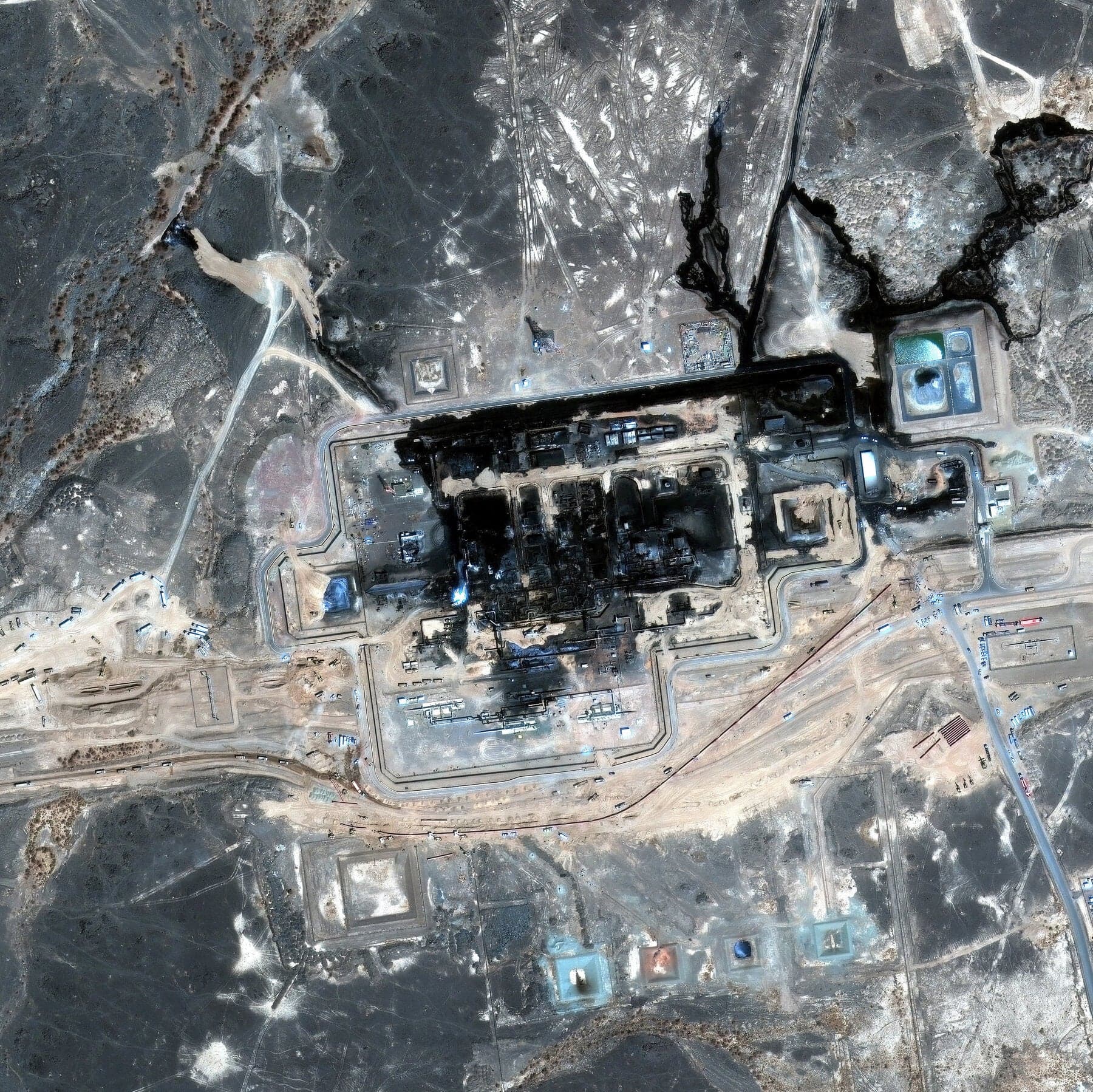
Key Takeaways
- Saudi Arabia has resumed oil loading at the East-West Pipeline after repairs following a drone attack.
- The pipeline is a critical strategic asset with a capacity of roughly five million barrels per day.
- The attack was attributed to an Iranian-backed Iraqi militia, highlighting vulnerabilities in land-based energy infrastructure.
OPA WIRE, Sep 29 (OPA) — Saudi Arabia has officially resumed oil loading operations at a critical pipeline terminal following a temporary shutdown earlier this month. The suspension was triggered by significant infrastructure damage sustained during a targeted drone attack, which authorities have attributed to an Iranian-backed Iraqi militia. The restoration of these operations marks a pivotal moment in stabilizing regional energy logistics, as the pipeline serves as a primary conduit for transporting crude oil from the kingdom's eastern fields to export terminals on the Red Sea coast, bypassing the congested Strait of Hormuz.
Industry analysts estimate that the pipeline has a daily capacity of approximately five million barrels, making its operational status a key metric for global energy markets. A spokesperson for the Saudi Ministry of Energy confirmed that repairs were completed ahead of schedule, stating, 'The integrity of our energy infrastructure remains our highest priority, and we have successfully restored full functionality to the affected segments.' While specific financial losses incurred during the downtime remain undisclosed, market observers noted a brief spike in Brent crude prices immediately following the initial announcement of the attack.
The pipeline, known as the East-West Pipeline or Petroline, has long been a strategic asset for Saudi Arabia, designed to provide an alternative export route during periods of heightened geopolitical tension in the Persian Gulf. Historically, the infrastructure has been a target for various regional actors seeking to exert pressure on the kingdom's economic output. The recent drone strike represents a sophisticated escalation in the methods used to disrupt Saudi energy assets, moving beyond traditional maritime threats to direct aerial sabotage of land-based critical infrastructure.
The ramifications of this incident extend far beyond the immediate repair costs, affecting global supply chain confidence and insurance premiums for tankers operating in the region. International energy firms have expressed concern over the vulnerability of land-based pipelines to asymmetric warfare. Regional neighbors and global powers have issued statements calling for de-escalation, emphasizing that the security of energy transit routes is essential for the stability of the global economy, which is still recovering from various supply-side shocks.
Looking ahead, experts suggest that Saudi Arabia will likely intensify its defensive measures, including the deployment of advanced anti-drone systems and increased surveillance along the entire length of the pipeline. The incident has underscored the fragility of energy infrastructure in a volatile geopolitical environment. Analysts predict that while the immediate crisis has been averted, the long-term outlook remains cautious, as the threat of further drone attacks persists. Future stability will depend on both the effectiveness of new security protocols and the broader diplomatic efforts to mitigate regional tensions between Saudi Arabia and its adversaries.
Subscribe to the Global Briefing
Receive our flagship executive dispatch every morning. Essential geopolitical analysis, financial benchmarks, and breaking world events delivered to your inbox.
Mohammad Karamali
Verified Wire ContributorSenior correspondent covering geopolitics, regional developments, and strategic international affairs for OPA News (Optimum Public Affairs).
Related Stories & Follow-ups
Editorial WireFAA Imposes Rare Nationwide Ground Stop as Flight Disruptions Top 10,000
 Business & Economy
Tech Stocks Plunge as US Midterm Results Spark AI Slowdown Fears
Tech Stocks Suffer Worst Single-Day Plunge Since 2020 Amid AI Selloff
Reader Discussion
Leave a Comment
0 Comments
Owner
Editorial Oversight & Machine-Assisted Reporting
Human-in-the-Loop VerifiedEditorial Oversight & Machine-Assisted Reporting: This dispatch was synthesized and localized via OPA automated intelligence under continuous human editorial supervision.
Wire Source
This report was synthesized from New York Times under journalistic fair use.