
Exclusive: Germany shields parts of Deutsche Börse from EU oversight
Key Takeaways
- Germany secured a carve-out for domestic-focused trading venues, keeping them under national rather than ESMA supervision.
- The EU faces a net outflow of 300 billion euros annually in savings, largely funding investments in the United States.
- EU finance ministers are scheduled to meet on October 9 to finalize the capital markets reform and address these regulatory tensions.
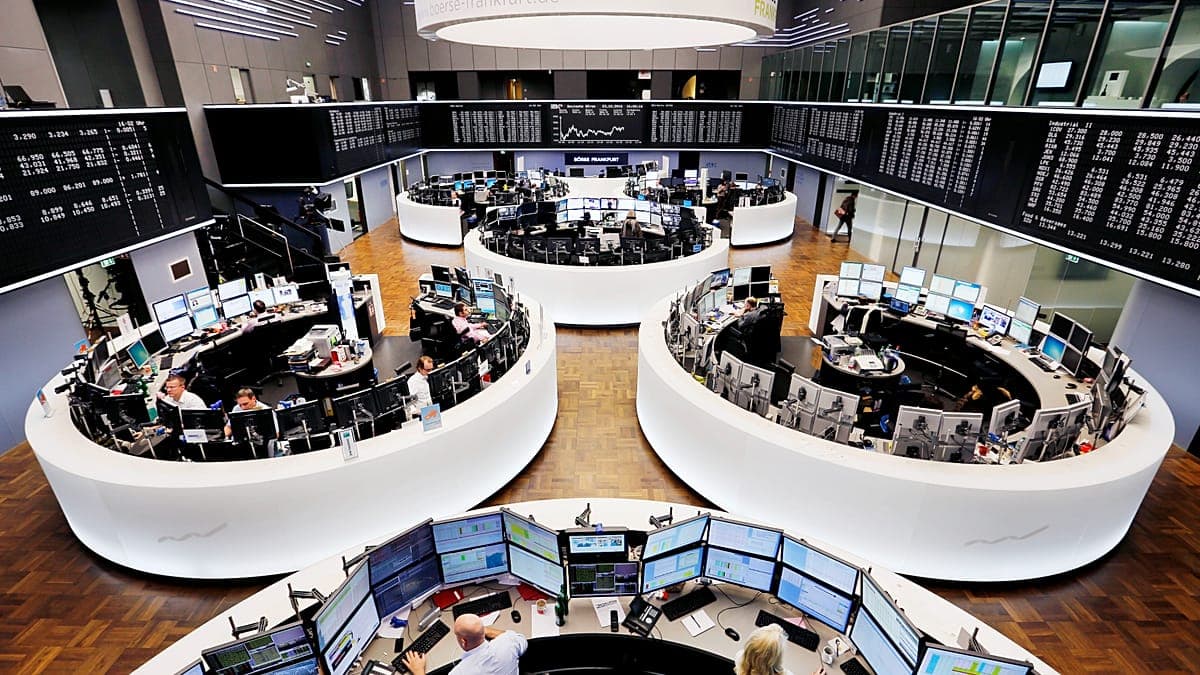
OPA WIRE, Sep 30 (OPA) — Germany has successfully lobbied Brussels to ensure that specific trading venues under the Deutsche Börse umbrella remain under regional supervision rather than falling under the direct authority of the European Securities and Markets Authority (ESMA). This strategic carve-out, integrated into the latest compromise text by the Irish presidency, aims to protect domestic-focused operations from the bloc's broader capital markets integration reform. While the move is framed as a technical necessity, it has sparked significant debate among EU member states regarding the efficacy of the proposed legislative package.
The German Ministry of Finance clarified that the exemption is limited to venues with a primary domestic focus, emphasizing that the broader Deutsche Börse Group remains subject to ESMA oversight for its critical financial infrastructure. A spokesperson stated, "The compromise is not a carve-out for Deutsche Börse Group. Irrespective of the discussion about trading venues, Deutsche Börse Group will come under direct ESMA supervision from day one with its financial market infrastructure entities, such as clearing houses and central securities depositories." Despite these assurances, the inclusion of such exemptions has raised concerns about the potential for a fragmented regulatory landscape.
The broader context of this reform lies in the EU's Savings and Investments Union strategy, which seeks to harmonize capital markets to boost European economic competitiveness. Currently, European firms often struggle with administrative burdens and inconsistent rules across member states, leading many to seek funding in the United States. With approximately 300 billion euros in savings flowing out of the EU annually to fund foreign investments, the need for a unified, efficient capital market has become a central priority for policymakers, including European Central Bank President Christine Lagarde.
This development carries significant ramifications for the future of European financial integration. By allowing national authorities to retain control over certain trading venues, the EU risks undermining the very goal of the reform: overcoming fragmentation. Other member states may now seek similar exemptions for their own national champions, potentially diluting the authority of ESMA and creating a patchwork of regulations that could discourage cross-border investment and hinder the growth of European companies that currently look to New York for deeper capital pools.
Looking ahead, the upcoming meeting of EU economic and finance ministers on October 9 will be a critical juncture for the reform. Experts warn that if the compromise is perceived as too lenient, it could delay the legislative process or result in a weakened regulatory framework that fails to address the underlying causes of Europe's capital flight. The ultimate success of the Savings and Investments Union depends on whether member states can prioritize collective competitiveness over individual national interests, a challenge that remains the primary obstacle to achieving a truly integrated European financial market.
Subscribe to the Global Briefing
Receive our flagship executive dispatch every morning. Essential geopolitical analysis, financial benchmarks, and breaking world events delivered to your inbox.
Mohammad Karamali
Verified Wire ContributorSenior correspondent covering geopolitics, regional developments, and strategic international affairs for OPA News (Optimum Public Affairs).
Related Stories & Follow-ups
Editorial WireFAA Imposes Rare Nationwide Ground Stop as Flight Disruptions Top 10,000
 Business & Economy
Tech Stocks Plunge as US Midterm Results Spark AI Slowdown Fears
Tech Stocks Suffer Worst Single-Day Plunge Since 2020 Amid AI Selloff
Reader Discussion
Leave a Comment
0 Comments
Owner
Editorial Oversight & Machine-Assisted Reporting
Human-in-the-Loop VerifiedEditorial Oversight & Machine-Assisted Reporting: This dispatch was synthesized and localized via OPA automated intelligence under continuous human editorial supervision.
Wire Source
This report was synthesized from Euro News under journalistic fair use.