
Hormuz Alternative Route: Saudi Oil Pipeline Resumes Operations
Key Takeaways
- Saudi Arabia has resumed oil exports from the Red Sea port of Yanbu via the East-West pipeline.
- Satellite data indicates 10 million barrels have been loaded, with daily volumes reaching 2 million barrels.
- The pipeline is expected to reach its full capacity of 5.5 million barrels per day within one month.
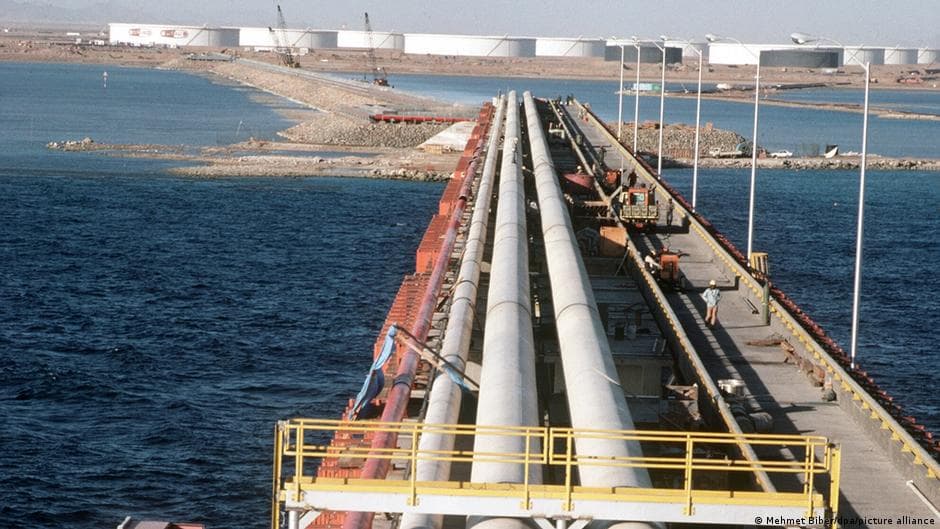
OPA WIRE, Sep 30 (OPA) — Saudi Arabia has officially resumed oil loading operations at the Red Sea port of Yanbu following the reactivation of its vital East-West pipeline. According to shipping data and market traders, this strategic move marks a significant recovery for the Kingdom's export infrastructure, which had been severely hampered by recent regional security disruptions. The restoration of this route provides a critical alternative to the Strait of Hormuz, which has seen its transit capacity drastically reduced due to ongoing geopolitical tensions and the escalating conflict between the United States and Iran.
Industry sources confirm that Saudi Aramco, the state-owned oil giant, has begun notifying international customers of its October loading schedules. While the company has maintained an official silence regarding the specifics, satellite imagery analyzed by TankerTrackers indicates that approximately 10 million barrels of crude oil have already been loaded at Yanbu. Independent estimates from market insiders suggest that daily loading volumes have reached approximately two million barrels since operations recommenced last week, signaling a robust return to market activity.
The pipeline was forced into an emergency shutdown on September 11 following a series of drone attacks that Riyadh attributed to Iraqi-based militias. Historically, the East-West pipeline has served as a vital bypass for Saudi Arabia, allowing it to circumvent the Strait of Hormuz—a narrow waterway that previously facilitated the movement of one-fifth of the world's total oil supply. The vulnerability of this chokepoint has long been a primary concern for global energy security, making the Yanbu terminal an indispensable asset for maintaining consistent global supply chains.
The ramifications of this reactivation extend far beyond the Saudi borders, offering a much-needed buffer for global energy markets that have been reeling from supply volatility. By diversifying export routes, Saudi Arabia is effectively reducing the leverage of regional actors who seek to disrupt maritime trade. For international importers, particularly in Asia, the resumption of Yanbu operations provides a reliable alternative to the high-risk transit zones, thereby stabilizing crude prices and ensuring that energy security remains intact despite the broader regional instability.
Looking ahead, analysts project that the pipeline will return to its full operational capacity of approximately 5.5 million barrels per day within the next month. While the immediate resumption of exports is a positive development, market experts warn that the long-term stability of the region remains precarious. Future consequences will depend heavily on the effectiveness of Saudi security measures against further drone incursions and the broader trajectory of the US-Iran conflict. As the global energy market continues to monitor the situation, the Yanbu terminal will remain a focal point for assessing the resilience of Middle Eastern oil exports.
Subscribe to the Global Briefing
Receive our flagship executive dispatch every morning. Essential geopolitical analysis, financial benchmarks, and breaking world events delivered to your inbox.
Mohammad Karamali
Verified Wire ContributorSenior correspondent covering geopolitics, regional developments, and strategic international affairs for OPA News (Optimum Public Affairs).
Related Stories & Follow-ups
Editorial WireFAA Imposes Rare Nationwide Ground Stop as Flight Disruptions Top 10,000
 Business & Economy
Tech Stocks Plunge as US Midterm Results Spark AI Slowdown Fears
Tech Stocks Suffer Worst Single-Day Plunge Since 2020 Amid AI Selloff
Reader Discussion
Leave a Comment
0 Comments
Owner
Editorial Oversight & Machine-Assisted Reporting
Human-in-the-Loop VerifiedEditorial Oversight & Machine-Assisted Reporting: This dispatch was synthesized and localized via OPA automated intelligence under continuous human editorial supervision.
Wire Source
This report was synthesized from DW Persian under journalistic fair use.