
Von der Leyen Launches Strategic Review as EU Refining Capacity Shrinks 20%
Key Takeaways
- European refining capacity dropped by 20% between 2009 and 2025 following 35 plant closures.
- EU leadership launched a strategic dialogue led by the energy and defense commissioners to secure refined fuel supplies.
- The bloc faces escalating supply risks for diesel and jet fuel amid geopolitical tensions and €100 billion in extra import costs.
European Commission President Ursula von der Leyen has announced a strategic dialogue on European refineries to address the bloc's shrinking domestic fuel processing infrastructure. The initiative aims to lower soaring energy costs, strengthen security of supply, and safeguard critical fuels needed for defense. The high-level discussions will be chaired jointly by Energy Commissioner Dan Jørgensen and Defence Commissioner Andrius Kubilius ahead of an EU heads of state summit.
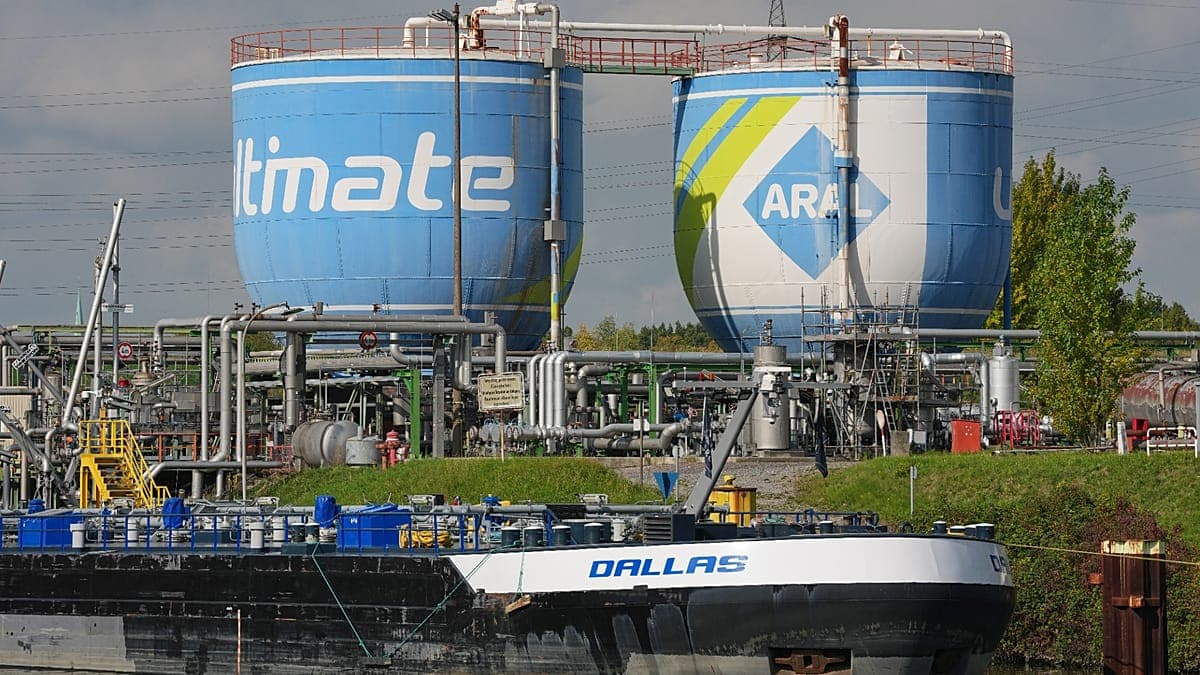
Europe has lost 20% of its oil refining capacity since 2009, with 35 facilities shutting down due to tightening margins, aging assets, and green transition policies, according to industry data from Concawe. Across the EU-27, UK, Norway, and Switzerland, 72 operational refineries boast 625.4 million tonnes of annual capacity, down 167.6 million tonnes from 2009. 'The aim is to bring down costs and to ensure we have the supplies needed also for defence,' von der Leyen stated, while FuelsEurope emphasized that preserving domestic capacity is crucial for long-term geopolitical resilience.
The structural decline in processing capacity leaves the European Union increasingly dependent on imported finished products such as diesel and jet fuel from India, the United States, and the Middle East. Geopolitical instability has worsened this dependency: Brent crude averaged $101 per barrel in September, Ukrainian strikes damaged Russian processing infrastructure, and China suspended fuel exports. Commissioner Jørgensen noted that the EU has incurred over €100 billion in extra fossil fuel import costs following recent Middle Eastern escalations, even as crude availability remains relatively flexible compared to refined product supply.
The strategic initiative has sparked debate between energy security advocates and environmental policymakers over the future of the bloc's reserves. While analysts warn that emergency crude reserves cannot offset processing deficits, Green MEP Michael Bloss argued that restarting or building refineries would take years, urging leaders to cut fuel demand through accelerated transport electrification rather than expanding refining infrastructure.
Reader Discussion
Leave a Comment
0 Comments
Owner
Editorial Oversight & Machine-Assisted Reporting
Human-in-the-Loop VerifiedEditorial Oversight & Machine-Assisted Reporting: This dispatch was synthesized and localized via OPA automated intelligence under continuous human editorial supervision.
Wire Source
This report was synthesized from Euro News under journalistic fair use.