
Pakistan Delivers Targeted Fuel Subsidies to Nine Million Amid Rising Global Energy Costs
Key Takeaways
- Over 9 million low-income Pakistani motorists are receiving targeted fuel subsidies via SMS tokens.
- Domestic petrol and diesel prices have climbed over 50% following escalating U.S.-Iran conflict.
- Relief offers up to 2,000 rupees monthly for two- and three-wheelers, and 3,000 rupees for small cars amid IMF fiscal pressures.
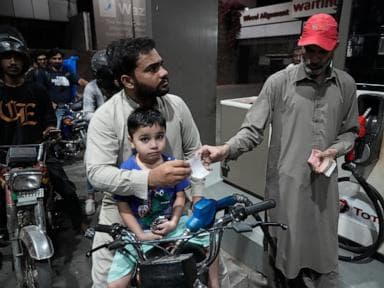
Pakistan’s government has launched a targeted fuel subsidy program supporting more than nine million low-income citizens to offset surging energy costs fueled by regional conflict between the United States and Iran. Approved by Prime Minister Shehbaz Sharif, the relief initiative uses a digital verification system to help motorists access fuel at stabilized prewar rates, mitigating the impact of steep global price spikes on daily commuters and commercial operators.
Under the system, eligible beneficiaries receive verification tokens via SMS to redeem at registered filling stations. Information Technology Minister Shaza Fatima Khawaja called the program Pakistan’s first nationwide technological rollout for targeted fuel assistance, ensuring a seamless experience. Petroleum Minister Ali Pervaiz Malik noted that motorcycle and rickshaw operators receive up to 2,000 rupees ($7.14) in monthly discounts, while owners of small cars up to 800cc can save up to 3,000 rupees ($10.71) each month across structured disbursements.
Domestic fuel prices in Pakistan have surged by more than 50% since hostilities escalated, intensifying inflation and placing severe pressure on household budgets across the country. The relief package was introduced following calls from the Islamist political party Jamaat-e-Islami, which had threatened mass protests in Islamabad over elevated fuel taxes. Low-income workers, including commuter Amir Shahzad, stated that while the relief manages routine daily travel, long-distance journeys remain constrained by prevailing open-market energy prices.
The intervention poses broader macroeconomic challenges for Islamabad as it navigates strict fiscal conditions under an ongoing International Monetary Fund loan program. The IMF has repeatedly pressed Pakistan to curb blanket consumer subsidies, fiscal deficits, and tax exemptions. Balancing social stability and targeted relief against external lender commitments will remain a critical test for Sharif’s administration amid ongoing global energy market volatility.
Reader Discussion
Leave a Comment
0 Comments
Owner
Editorial Oversight & Machine-Assisted Reporting
Human-in-the-Loop VerifiedEditorial Oversight & Machine-Assisted Reporting: This dispatch was synthesized and localized via OPA automated intelligence under continuous human editorial supervision.
Wire Source
This report was synthesized from ABC under journalistic fair use.