
Zelenskyy Links Global Market Volatility to Middle East Conflict and Hormuz Blockage
Key Takeaways
- President Zelenskyy identifies the Middle East conflict as a primary driver of global price hikes.
- The potential blockage of the Strait of Hormuz is cited as a critical threat to international market stability.
- Zelenskyy calls for increased transparency from world leaders regarding the economic consequences of geopolitical crises.
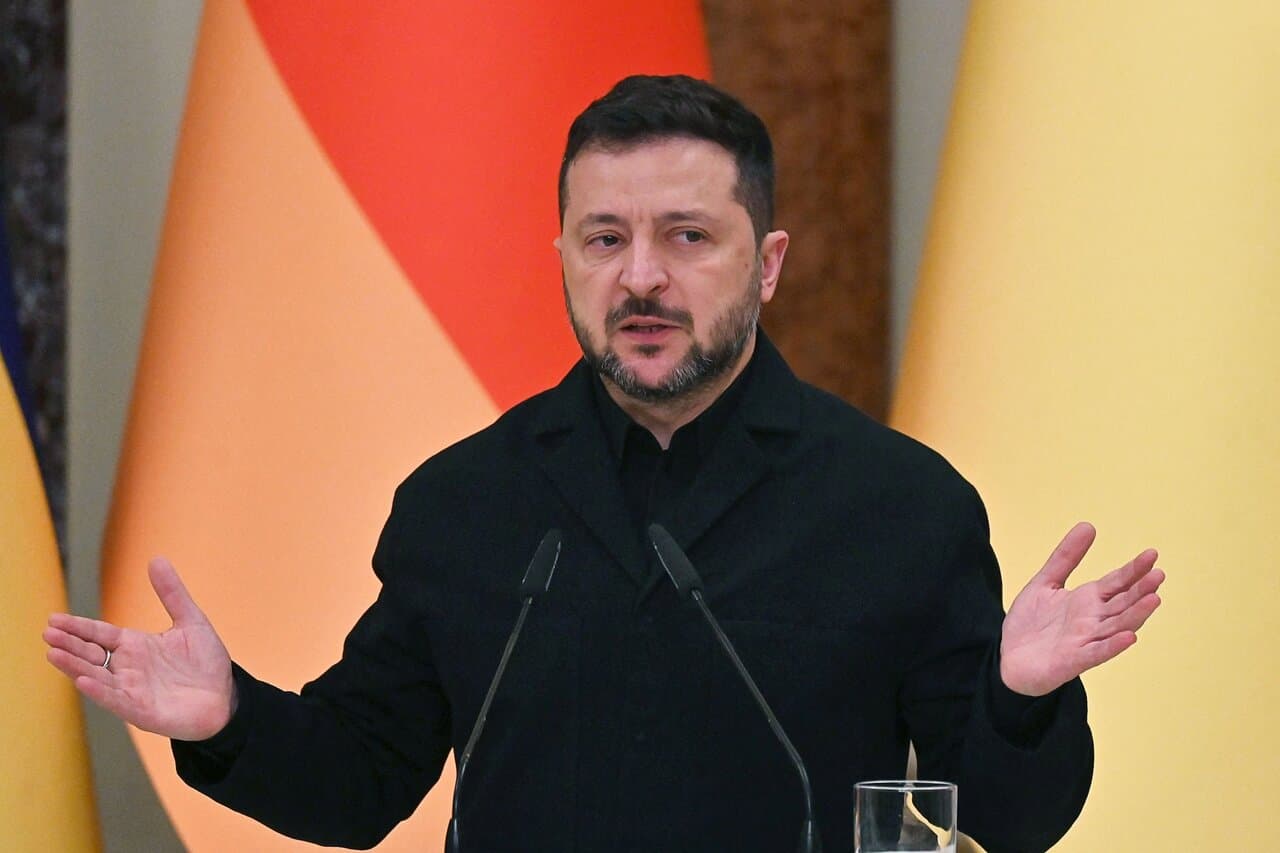
Ukrainian President Volodymyr Zelenskyy has issued a stark warning regarding the current state of global markets, attributing rising prices and economic instability directly to the escalating conflict in the Middle East. During a recent address, Zelenskyy emphasized that the geopolitical turmoil in the region, specifically the potential disruption of the Strait of Hormuz, is serving as a primary catalyst for the inflationary pressures currently impacting nations worldwide.
Zelenskyy urged global leaders to adopt a policy of radical transparency when communicating with their citizens about the economic realities of the modern era. "If we want to speak fairly with the people, if we want to be transparent, and if we want to speak openly with our nations, people must hear the truth," he stated. He explicitly warned against political obfuscation, insisting that governments should not play games with their populations regarding the root causes of economic hardship.
The Strait of Hormuz remains one of the world's most critical maritime chokepoints, through which a significant percentage of global oil and liquefied natural gas (LNG) transits daily. Any perceived or actual threat to this passage historically triggers immediate spikes in energy prices, which subsequently ripple through global supply chains. Zelenskyy’s comments highlight the interconnected nature of the ongoing war in Ukraine and the volatile security landscape in the Persian Gulf, suggesting that these theaters are no longer isolated incidents but are part of a broader, destabilizing global trend.
Looking ahead, the international community faces a complex challenge in balancing energy security with geopolitical maneuvering. As Zelenskyy suggests, the era of ignoring the link between regional military conflicts and global market stability is over. Analysts expect that unless diplomatic channels can secure the safety of vital maritime corridors, the volatility in energy and commodity markets will likely persist, forcing governments to confront difficult conversations with their citizens about the long-term economic costs of global instability.
Subscribe to the Global Briefing
Receive our flagship executive dispatch every morning. Essential geopolitical analysis, financial benchmarks, and breaking world events delivered to your inbox.
Related Stories & Follow-ups
Editorial WireBrent Crude Hits Five-Month High Amid Escalating Middle East Tensions
Saudi Aramco Facilities Targeted in Suspected Houthi Drone Strike
Global Travel Disruptions Follow Houthi Drone and Missile Strikes on Riyadh Airport
Reader Discussion
Leave a Comment
0 Comments
Owner
Editorial Oversight & Machine-Assisted Reporting
Human-in-the-Loop VerifiedEditorial Oversight & Machine-Assisted Reporting: This dispatch was synthesized and localized via OPA automated intelligence under continuous human editorial supervision.
Wire Source
This report was synthesized from Khabar Online under journalistic fair use.