
Global Oil Prices Surge Following Tanker Attacks Near Strait of Hormuz
Key Takeaways
- Oil prices rose globally following attacks on two tankers near Oman and the Strait of Hormuz.
- The Strait of Hormuz is a critical chokepoint handling roughly 20% of global oil consumption.
- Market volatility is driven by fears of supply chain disruptions and increased maritime security risks.
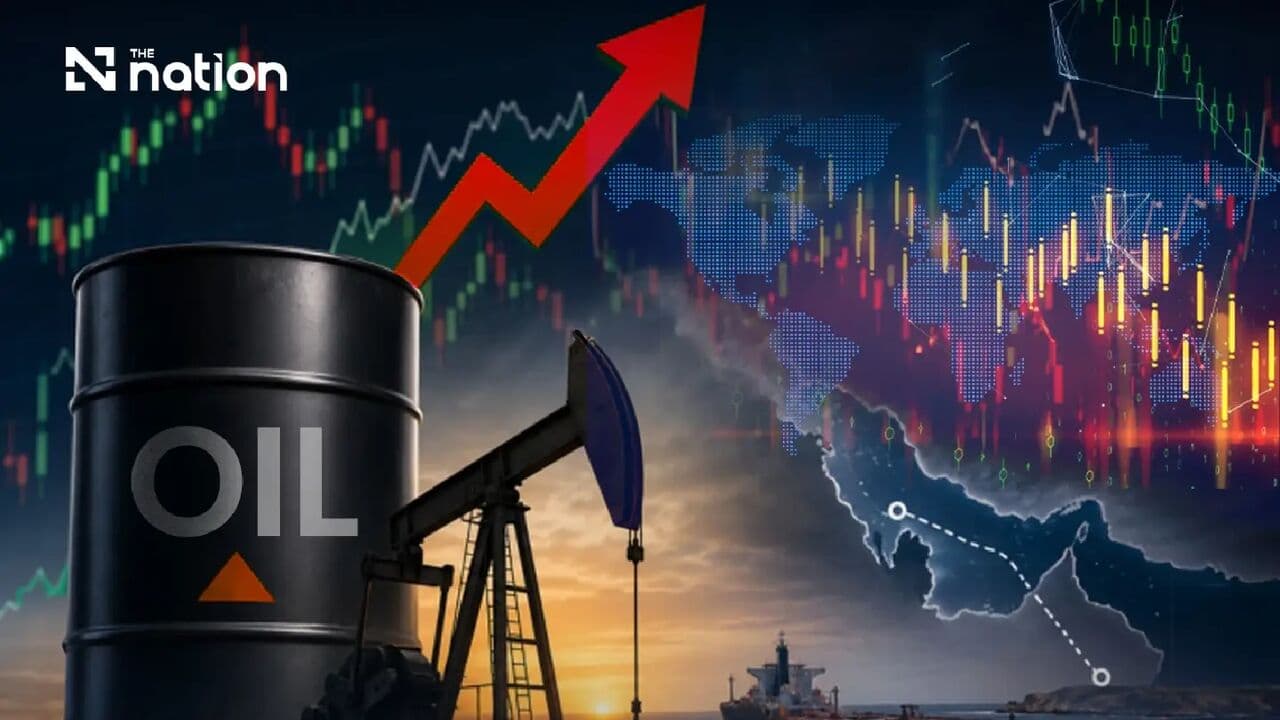
Global oil markets experienced a sharp upward trend this week following reports of attacks on two separate oil tankers near the coast of Oman and the Strait of Hormuz. The incidents, which occurred over the weekend, have immediately heightened geopolitical tensions in one of the world’s most critical maritime chokepoints for energy transit, prompting an urgent reassessment of supply chain security among international traders.
Market analysts have noted that the volatility is a direct response to the heightened risk profile of vessels navigating the Persian Gulf. While specific damage assessments are ongoing, the mere threat of disruption in the Strait of Hormuz—a route through which approximately one-fifth of the world’s petroleum consumption passes—has triggered a reflexive spike in crude futures. Traders are closely monitoring the situation for further escalation, as any sustained threat to shipping lanes typically commands a significant risk premium on global energy prices.
This development underscores the persistent vulnerability of global energy infrastructure to localized regional conflicts. The Strait of Hormuz remains a focal point for international maritime security, and historical precedents suggest that even minor security incidents in this region can lead to rapid price fluctuations. The current market reaction reflects a broader anxiety regarding the stability of energy supplies in an already sensitive global economic environment, where inflation and supply chain constraints remain primary concerns for policymakers.
Looking ahead, the trajectory of oil prices will likely depend on the diplomatic response and the implementation of enhanced security measures for commercial shipping in the region. If the situation stabilizes, markets may see a gradual cooling; however, if the frequency of such incidents increases, analysts warn that the upward pressure on oil prices could persist, potentially impacting global inflation rates and energy costs for consumers worldwide. Stakeholders are now awaiting further clarity from regional authorities regarding the security status of the affected maritime corridors.
Subscribe to the Global Briefing
Receive our flagship executive dispatch every morning. Essential geopolitical analysis, financial benchmarks, and breaking world events delivered to your inbox.
Related Stories & Follow-ups
Editorial WireBrent Crude Hits Five-Month High Amid Escalating Middle East Tensions
Saudi Aramco Facilities Targeted in Suspected Houthi Drone Strike
Global Travel Disruptions Follow Houthi Drone and Missile Strikes on Riyadh Airport
Reader Discussion
Leave a Comment
0 Comments
Owner
Editorial Oversight & Machine-Assisted Reporting
Human-in-the-Loop VerifiedEditorial Oversight & Machine-Assisted Reporting: This dispatch was synthesized and localized via OPA automated intelligence under continuous human editorial supervision.
Wire Source
This report was synthesized from IRNA under journalistic fair use.