
Al Jazeera Report Analyzes Global Energy Supply Risks Amid Rising Middle East Tensions
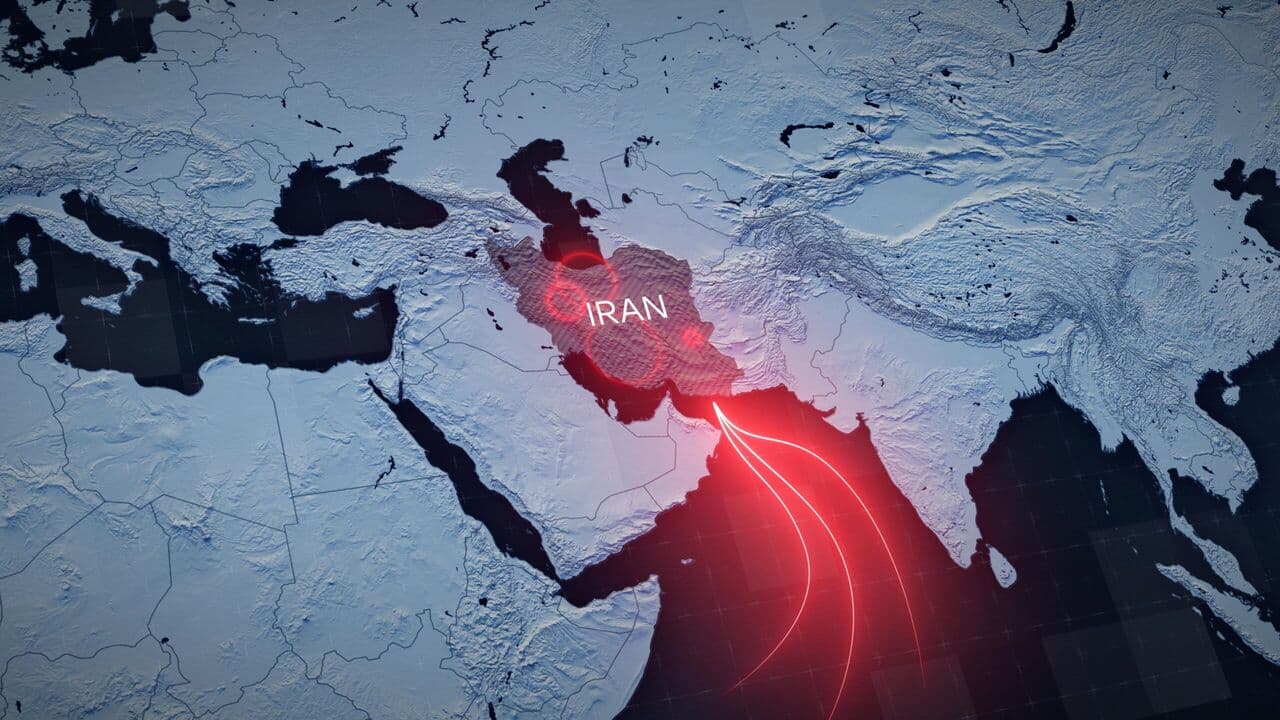
Key Takeaways
- Middle Eastern energy exports remain critical to global market stability.
- The Strait of Hormuz is identified as a primary vulnerability for global supply chains.
- Geopolitical tensions are driving increased volatility and risk premiums in energy pricing.
A recent report by Al Jazeera has highlighted the precarious state of global energy markets, focusing on how escalating regional tensions involving Iran threaten the stability of Middle Eastern energy exports. As the world remains heavily dependent on the Gulf region for oil and liquefied natural gas (LNG), any disruption to these critical supply chains poses an immediate risk to global economic stability and energy security.
The report emphasizes that the Middle East serves as the primary artery for global energy distribution, with key transit points like the Strait of Hormuz facilitating a significant portion of the world's daily oil consumption. Analysts cited by the network suggest that even minor escalations in the current geopolitical climate could trigger sharp volatility in crude prices. The potential for supply bottlenecks is viewed as a systemic threat, with experts noting that alternative energy sources are currently insufficient to offset a sudden, large-scale withdrawal of Middle Eastern supply from the international market.
Historically, the region has navigated various conflicts, but the current discourse centers on the intersection of energy infrastructure and modern geopolitical maneuvering. The report underscores that the integration of energy policy into broader security strategies has made the global economy increasingly sensitive to regional instability. Previous disruptions have demonstrated that market confidence is fragile, and the reliance on these specific maritime corridors remains a point of vulnerability for both developed and emerging economies.
Looking ahead, the report suggests that the global energy landscape faces a period of sustained uncertainty. As nations grapple with the dual challenge of transitioning to renewable energy while maintaining current supply levels, the risk of price shocks remains high. The consensus among energy observers is that without a de-escalation in regional hostilities, the global market will continue to experience heightened risk premiums, forcing importing nations to re-evaluate their long-term energy security strategies and supply chain diversification efforts.
Subscribe to the Global Briefing
Receive our flagship executive dispatch every morning. Essential geopolitical analysis, financial benchmarks, and breaking world events delivered to your inbox.
Related Stories & Follow-ups
Editorial WireBrent Crude Hits Five-Month High Amid Escalating Middle East Tensions
Saudi Aramco Facilities Targeted in Suspected Houthi Drone Strike
Global Travel Disruptions Follow Houthi Drone and Missile Strikes on Riyadh Airport
Reader Discussion
Leave a Comment
0 Comments
Owner
Editorial Oversight & Machine-Assisted Reporting
Human-in-the-Loop VerifiedEditorial Oversight & Machine-Assisted Reporting: This dispatch was synthesized and localized via OPA automated intelligence under continuous human editorial supervision.
Wire Source
This report was synthesized from IRNA under journalistic fair use.