
China's Trade Surplus Approaches $1 Trillion Milestone Amid Export Surge
Key Takeaways
- China's trade surplus hit $938 billion in the first nine months of 2024.
- Export growth in September significantly outperformed market expectations.
- The country is on track to set a new annual record, potentially exceeding $1 trillion.
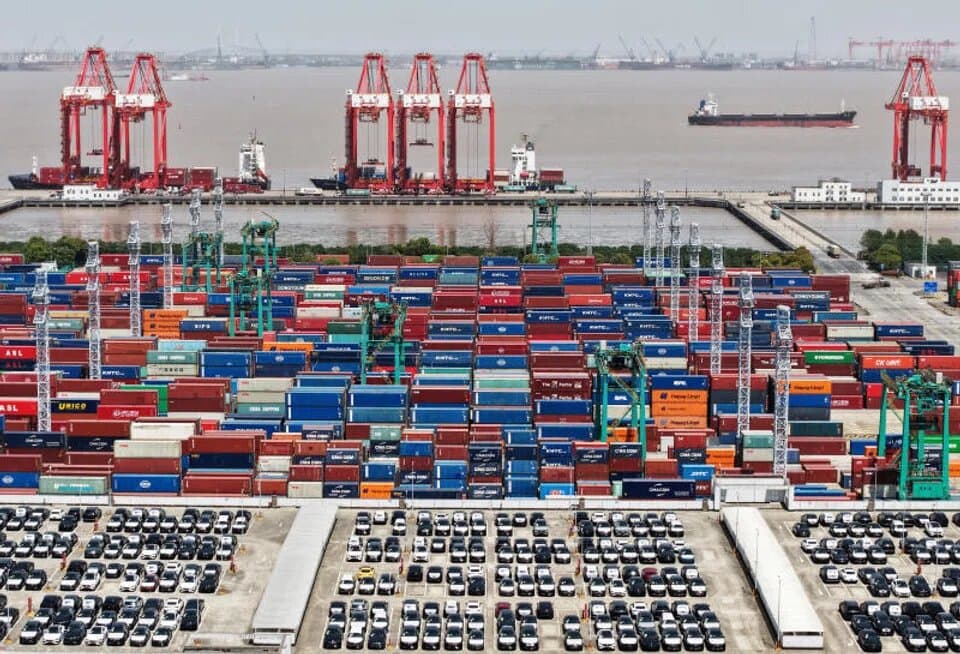
China’s trade surplus reached $938 billion during the first nine months of 2024, positioning the nation to shatter its previous annual records. This significant economic milestone is driven by a robust surge in export volumes, which consistently outperformed market expectations throughout the third quarter. The data underscores China's persistent dominance in global manufacturing and supply chains despite ongoing international trade tensions and shifting geopolitical landscapes.
In September alone, export growth exceeded analyst forecasts, signaling a resilient demand for Chinese goods in international markets. While specific volume metrics remain dynamic, the cumulative surplus figure highlights a widening gap between China's export output and its import requirements. Economists note that this trajectory is largely supported by competitive pricing strategies and an aggressive push into emerging markets, which have helped offset slower domestic consumption patterns.
Historically, China has maintained a structural trade surplus, but the current scale reflects an accelerated pace of industrial output. The surge comes at a time when global trade policies are under intense scrutiny, with several Western nations considering or implementing protective tariffs to counter the influx of low-cost Chinese products. These trade dynamics have become a central point of contention in global economic forums, as nations grapple with the impact of China's export-oriented growth model on their own domestic industries.
Looking ahead, analysts expect China to comfortably surpass the $1 trillion mark by the end of the year if current trends persist. However, the sustainability of this surplus remains subject to external risks, including potential trade barriers and fluctuations in global demand. As the year concludes, the focus will shift toward whether Beijing can maintain this export momentum while simultaneously addressing the need for domestic economic stimulus to ensure long-term stability.
Related Stories & Follow-ups
Editorial WireBrent Crude Hits Five-Month High Amid Escalating Middle East Tensions
Saudi Aramco Facilities Targeted in Suspected Houthi Drone Strike
Global Travel Disruptions Follow Houthi Drone and Missile Strikes on Riyadh Airport
Reader Discussion
Leave a Comment
0 Comments
Owner
Editorial Oversight & Machine-Assisted Reporting
Human-in-the-Loop VerifiedEditorial Oversight & Machine-Assisted Reporting: This dispatch was synthesized and localized via OPA automated intelligence under continuous human editorial supervision.
Wire Source
This report was synthesized from ISNA under journalistic fair use.