
China Accelerates Strategic Push to Internationalize the Yuan
Key Takeaways
- China is expanding the yuan's role beyond trade to include broader global financial integration.
- The expansion of the CIPS payment system is central to Beijing's strategy to bypass traditional dollar-based networks.
- Increased currency swap agreements and clearing banks are driving record-high yuan usage in international payments.
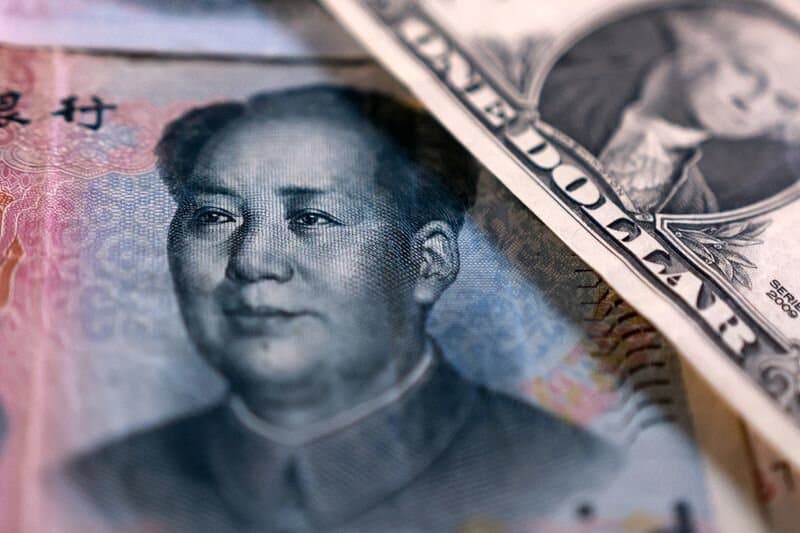
China is intensifying its campaign to elevate the yuan into a primary global reserve currency, moving beyond its traditional role as a mere vehicle for trade settlements. Beijing is actively constructing a comprehensive financial ecosystem designed to facilitate broader international adoption, signaling a strategic shift to reduce reliance on the U.S. dollar within the global monetary architecture. This initiative reflects a long-term ambition to enhance the yuan's influence in international capital markets and cross-border financial transactions.
Recent data indicates that the People's Bank of China is aggressively expanding its network of yuan clearing banks and currency swap agreements with central banks worldwide. Analysts note that the volume of yuan-denominated transactions in the SWIFT network has seen a steady upward trajectory, reflecting increased demand from emerging market economies. While the dollar remains the dominant global currency, the yuan’s share in global payments has reached record highs, supported by China's growing bilateral trade agreements that bypass traditional Western financial intermediaries.
Historically, China’s efforts to internationalize its currency were cautious, focusing primarily on trade facilitation to mitigate exchange rate risks. However, the current phase marks a significant pivot toward capital account liberalization and the development of sophisticated financial infrastructure, including the Cross-Border Interbank Payment System (CIPS). This infrastructure is designed to provide a robust alternative to existing payment systems, offering greater autonomy to nations seeking to diversify their foreign exchange holdings away from the greenback.
Looking ahead, the success of China’s strategy will depend on the continued integration of the yuan into global investment portfolios and the deepening of domestic financial markets. While structural challenges remain, including capital controls and market transparency concerns, Beijing’s commitment to a multi-polar financial system appears unwavering. As geopolitical tensions influence global trade patterns, the yuan is increasingly positioned as a viable alternative for central banks and multinational corporations looking to hedge against currency volatility and geopolitical risk.
Subscribe to the Global Briefing
Receive our flagship executive dispatch every morning. Essential geopolitical analysis, financial benchmarks, and breaking world events delivered to your inbox.
Related Stories & Follow-ups
Editorial WireBrent Crude Hits Five-Month High Amid Escalating Middle East Tensions
Saudi Aramco Facilities Targeted in Suspected Houthi Drone Strike
Global Travel Disruptions Follow Houthi Drone and Missile Strikes on Riyadh Airport
Reader Discussion
Leave a Comment
0 Comments
Owner
Editorial Oversight & Machine-Assisted Reporting
Human-in-the-Loop VerifiedEditorial Oversight & Machine-Assisted Reporting: This dispatch was synthesized and localized via OPA automated intelligence under continuous human editorial supervision.
Wire Source
This report was synthesized from ISNA under journalistic fair use.