
European Households Turn Driveways and Patios into Mini Solar Farms to Combat Energy Costs
Key Takeaways
- Solar energy has saved the EU €40 billion in avoided gas imports since the start of recent regional conflicts.
- Companies like PLATIO and SolarPave are using toughened, anti-slip glass to turn driveways and patios into functional solar arrays.
- Consumer interest in solar solutions has surged by up to 63% in some European markets as households seek energy independence.
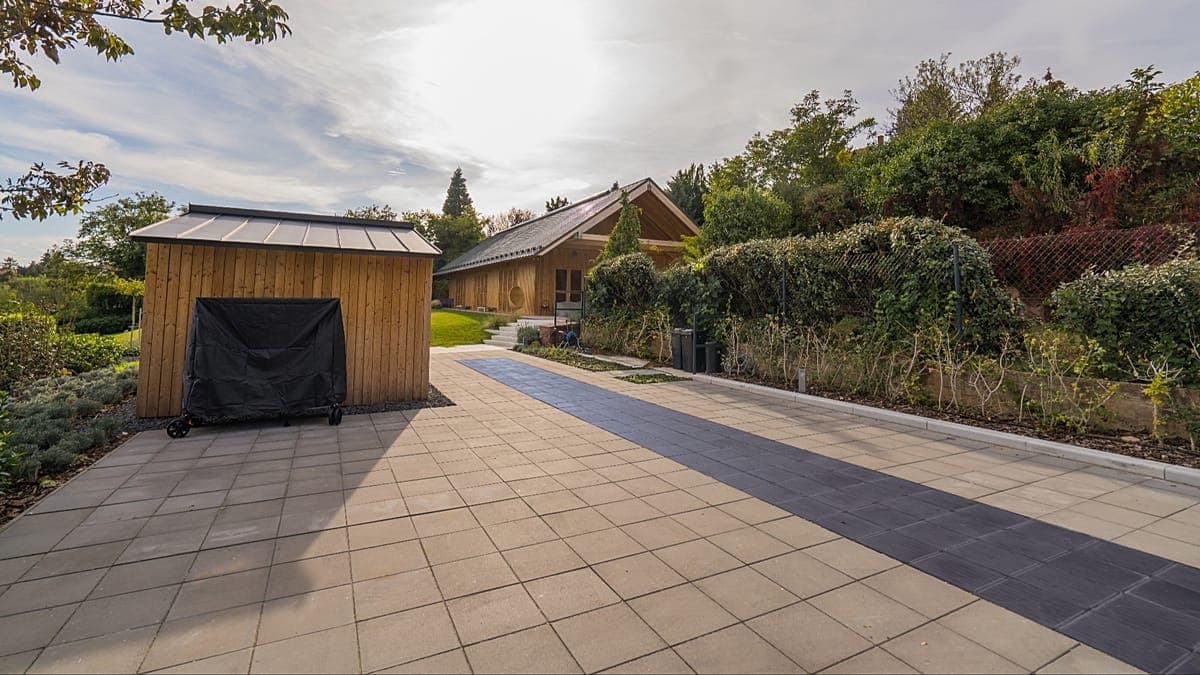
European homeowners are increasingly converting driveways and patios into solar energy installations as a strategic response to volatile energy markets. Driven by the need for energy security and cost reduction, this trend utilizes innovative, durable solar paving technology to transform previously underused outdoor surfaces into functional power generators. As traditional rooftop solar remains the primary choice, these versatile alternatives offer a viable solution for properties with unsuitable roof structures or shading issues.
The shift is largely fueled by the economic fallout from geopolitical instability, which has kept electricity and gas prices elevated. According to Solar Power Europe, solar energy has already saved the EU approximately €40 billion in avoided gas imports. Consumer interest has surged significantly; for instance, German firm Enpal reported a 30 percent rise in inquiries following recent regional conflicts, while UK-based EON saw interest spike by 63 percent in early March alone. Start-ups like PLATIO and SolarPave are leading this movement, installing systems that utilize toughened, anti-slip glass capable of supporting vehicle weight.
Technically, these systems integrate solar cells into paving materials, allowing for residential energy generation even in unconventional spaces. While horizontal placement is less efficient than angled rooftop panels due to reduced direct sunlight and potential dirt accumulation, the systems remain effective for powering base loads such as lighting and kitchen appliances. A 6.64 kWp installation in Germany, for example, can theoretically cover the annual electricity needs of a typical three-bedroom home, providing a tangible buffer against fluctuating utility bills.
Industry experts view this expansion as a critical step toward decentralized energy production. Sonia Dunlop, CEO of the Global Solar Council, emphasizes that the versatility of modern solar design allows "every sunny surface" to contribute to a more secure and affordable energy grid. By reclaiming control over their energy supply, households are effectively diversifying their power sources. As technology continues to evolve and costs decrease, the integration of solar into driveways, fences, and car parks is expected to become an increasingly standard feature of the European residential landscape.
Subscribe to the Global Briefing
Receive our flagship executive dispatch every morning. Essential geopolitical analysis, financial benchmarks, and breaking world events delivered to your inbox.
Related Stories & Follow-ups
Editorial WireBrent Crude Hits Five-Month High Amid Escalating Middle East Tensions
Saudi Aramco Facilities Targeted in Suspected Houthi Drone Strike
Cyberattack Targets French Supermarkets, Causing Refrigeration Failures and Fire Hazards
Reader Discussion
Leave a Comment
0 Comments
Owner
Editorial Oversight & Machine-Assisted Reporting
Human-in-the-Loop VerifiedEditorial Oversight & Machine-Assisted Reporting: This dispatch was synthesized and localized via OPA automated intelligence under continuous human editorial supervision.
Wire Source
This report was synthesized from Euro News under journalistic fair use.