
Russia and Kazakhstan reduce gold reserves as central bank strategies diverge
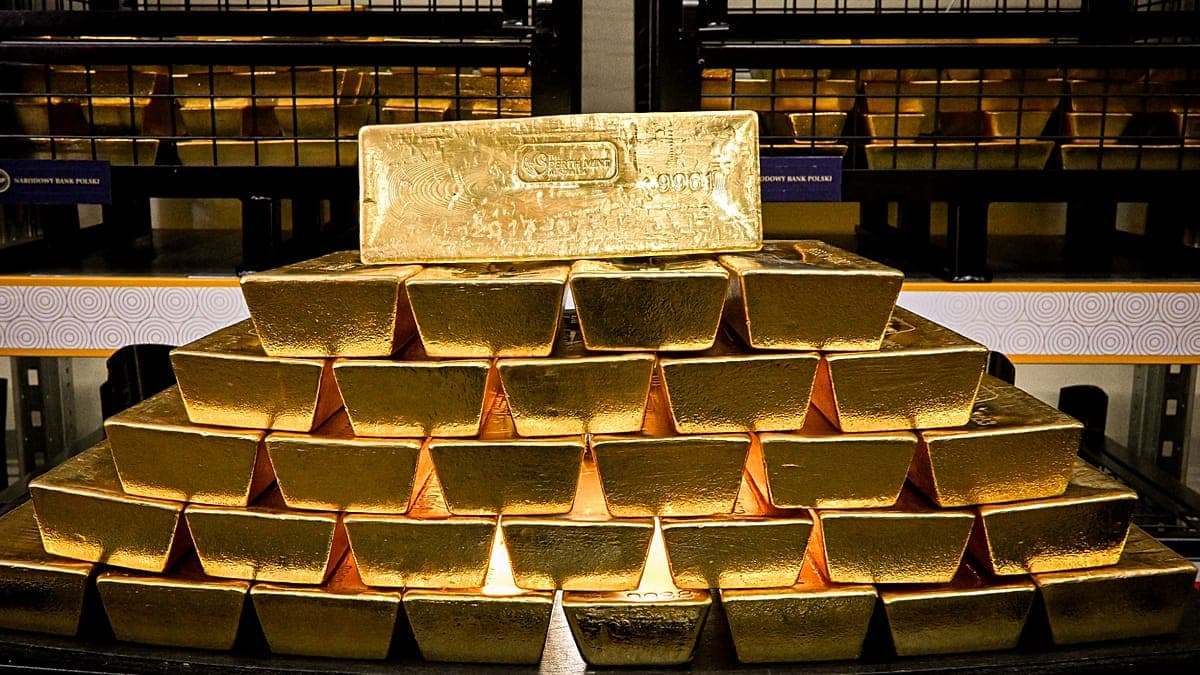
Key Takeaways
- Russia has sold 62 tonnes of gold since January 2026 to fund defense spending.
- Kazakhstan is reducing its gold reserves from 78% to 75% to take profits.
- Gold prices fell 4.4% in the first nine months of 2026 after a 67.4% rise in 2025.
OPA WIRE, Oct 25 (OPA) — Russia reduced its gold reserves by approximately 6.2 tonnes in September, bringing the total reduction since January 2026 to 62 tonnes. This pace of liquidation is the most significant since 1998, when the country sold 118 tonnes over a three-month period. Adam Stroniawski, managing director of Mennica Skarbowa, noted that the sell-off is occurring outside the London bullion market, with Hong Kong serving as the primary hub for transactions destined for China’s central bank.
Trade data from Hong Kong confirms the scale of the shift, showing that 100 tonnes of Russian gold arrived in the territory between January and July, nearly triple the volume recorded during the same period in 2025. Stroniawski stated that Russia’s objective is to secure liquidity for its defense sector, noting that the impact on global gold prices remains negligible due to the off-market nature of the transfers.
Kazakhstan has also signaled a shift in strategy, announcing plans to reduce its gold holdings to 75% of its total reserves by the end of 2026. Despite being one of the world’s largest buyers of the metal for years, the country is now liquidating portions of its reserves to capitalize on high prices and address domestic budget requirements. The reduction from approximately 78% of total reserves is expected to be gradual, minimizing volatility in the broader market.
Despite these moves, analysts remain skeptical that this represents a broader trend among central banks. Poland, for instance, continues to build its reserves toward a 700-tonne target, viewing gold as a vital tool for currency stabilization and credit standing. While gold prices fell 4.4% in the first nine months of 2026 following significant gains in 2024 and 2025, experts maintain that the long-term upward trend remains intact, driven by institutional demand for safe-haven assets.
Subscribe to the Global Briefing
Receive our flagship executive dispatch every morning. Essential geopolitical analysis, financial benchmarks, and breaking world events delivered to your inbox.
Mohammad Karamali
Verified Wire ContributorSenior correspondent covering geopolitics, regional developments, and strategic international affairs for OPA News (Optimum Public Affairs).
Related Stories & Follow-ups
Editorial WireUS orders partial personnel withdrawal from Saudi Arabia following Houthi drone strike
Putin proposes summit with Trump and Xi to discuss Ukraine conflict
 Business & Economy
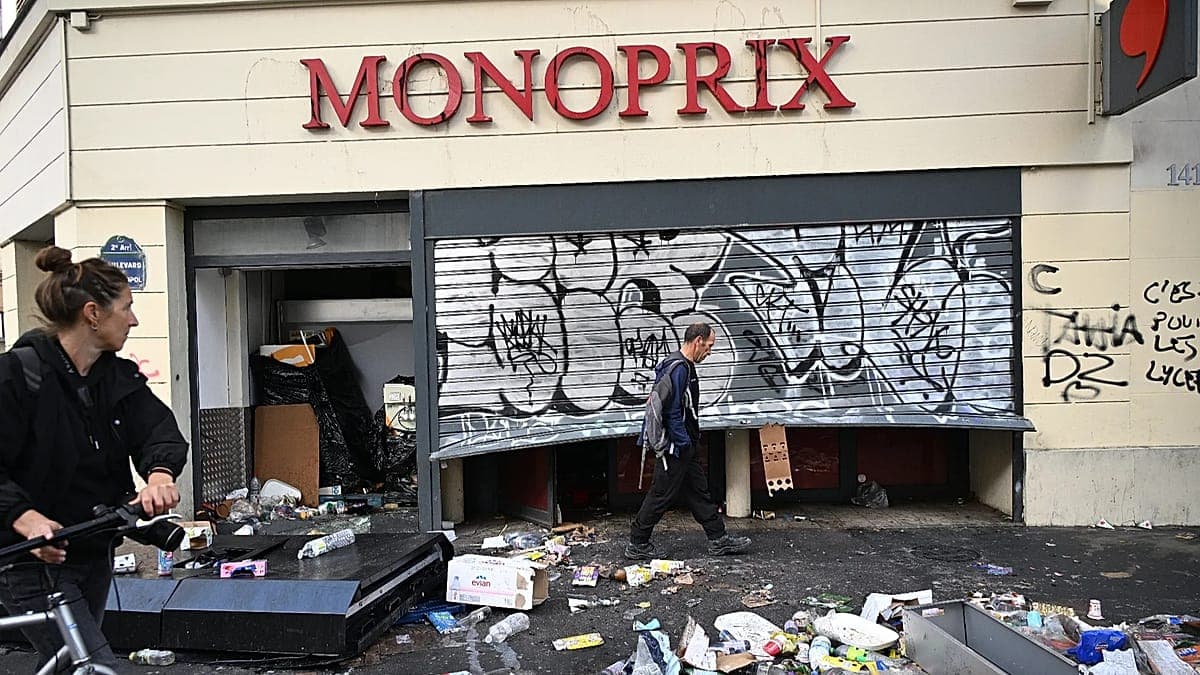
French Businesses Face Massive Recovery Costs Following Widespread Looting and Civil Unrest
Reader Discussion
Leave a Comment
0 Comments
Owner
Editorial Oversight & Machine-Assisted Reporting
Human-in-the-Loop VerifiedEditorial Oversight & Machine-Assisted Reporting: This dispatch was synthesized and localized via OPA automated intelligence under continuous human editorial supervision.
Wire Source
This report was synthesized from Euro News under journalistic fair use.