
European Natural Gas Prices Surge as Winter Storage Hits Record Lows
Key Takeaways
- European natural gas prices have risen 234% since the start of 2026.
- EU gas storage levels are at their lowest for this time of year since 2011.
- A typical household could face an estimated €715 increase in heating costs this winter.
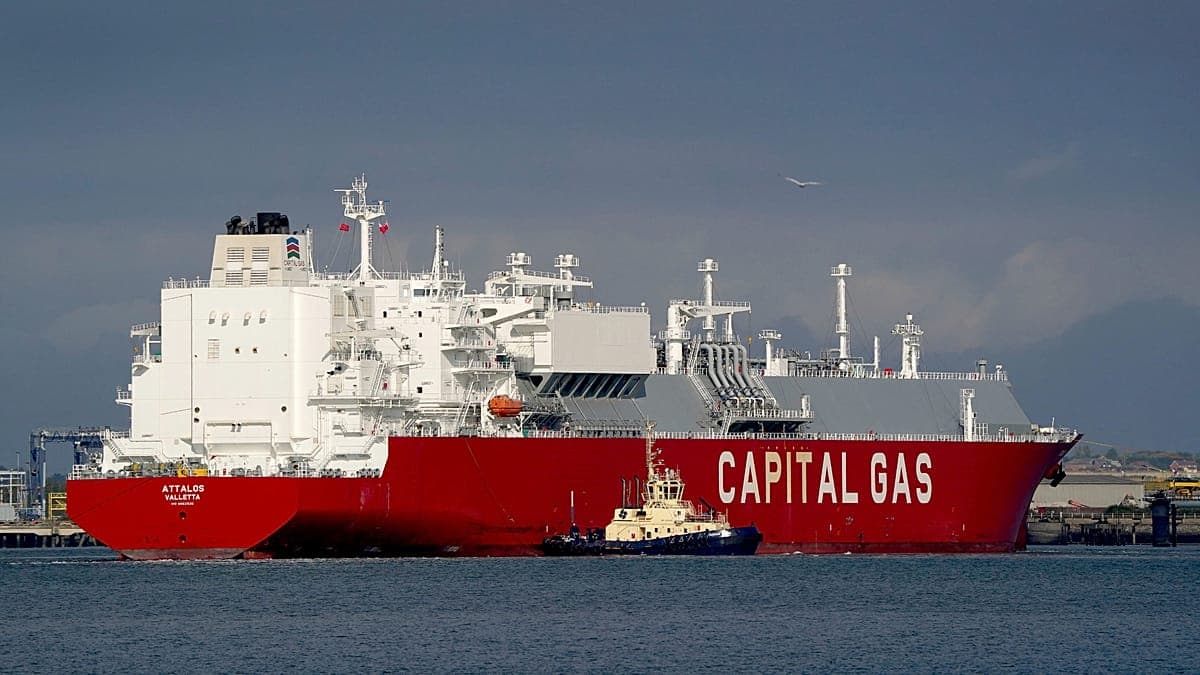
OPA WIRE, Oct 27 (OPA) — The Dutch TTF benchmark, which tracks European gas prices, hovered near €96 on Monday, a sharp increase from the €28 recorded at the start of the year. This volatility follows the closure of the Strait of Hormuz, which halted liquefied natural gas (LNG) shipments from Qatar. While prices remain below the 2022 peak of €340, the current upward trajectory has triggered concerns regarding energy security as the continent enters the peak heating season.
“Wind output and temperatures will determine how tight Europe’s gas supply becomes this winter,” said Ana Maria Jaller-Makarewicz, lead energy analyst at the Institute for Energy Economics and Financial Analysis. Data from Bruegel indicates that EU gas storage was 74.6% full as of October 24, the lowest level for this period since 2011. Wood Mackenzie projects that reserves could drop to 17% or 20% by the end of March, assuming a standard winter climate.
Energy analysts note that the loss of Qatari supply has left Europe competing with Asian buyers for limited global cargoes. Furthermore, the European Union is preparing for a total ban on Russian LNG imports beginning in January 2027. These structural shifts have forced some member states to begin drawing from winter reserves before the onset of November, complicating efforts to maintain energy stability throughout the colder months.
For the average household, the wholesale price surge could translate to an additional €715 in energy costs for the winter period, assuming a 20% VAT rate and typical consumption of 10,000 kilowatt hours. Experts suggest that demand reduction remains the most effective tool for managing the shortfall. While high prices may naturally curb usage, analysts recommend that Brussels establish a flexible framework to coordinate national conservation efforts, such as lowering thermostats and improving home insulation.
Subscribe to the Global Briefing
Receive our flagship executive dispatch every morning. Essential geopolitical analysis, financial benchmarks, and breaking world events delivered to your inbox.
Mohammad Karamali
Verified Wire ContributorSenior correspondent covering geopolitics, regional developments, and strategic international affairs for OPA News (Optimum Public Affairs).
Related Stories & Follow-ups
Editorial WireUS orders partial personnel withdrawal from Saudi Arabia following Houthi drone strike
Putin proposes summit with Trump and Xi to discuss Ukraine conflict
 Business & Economy
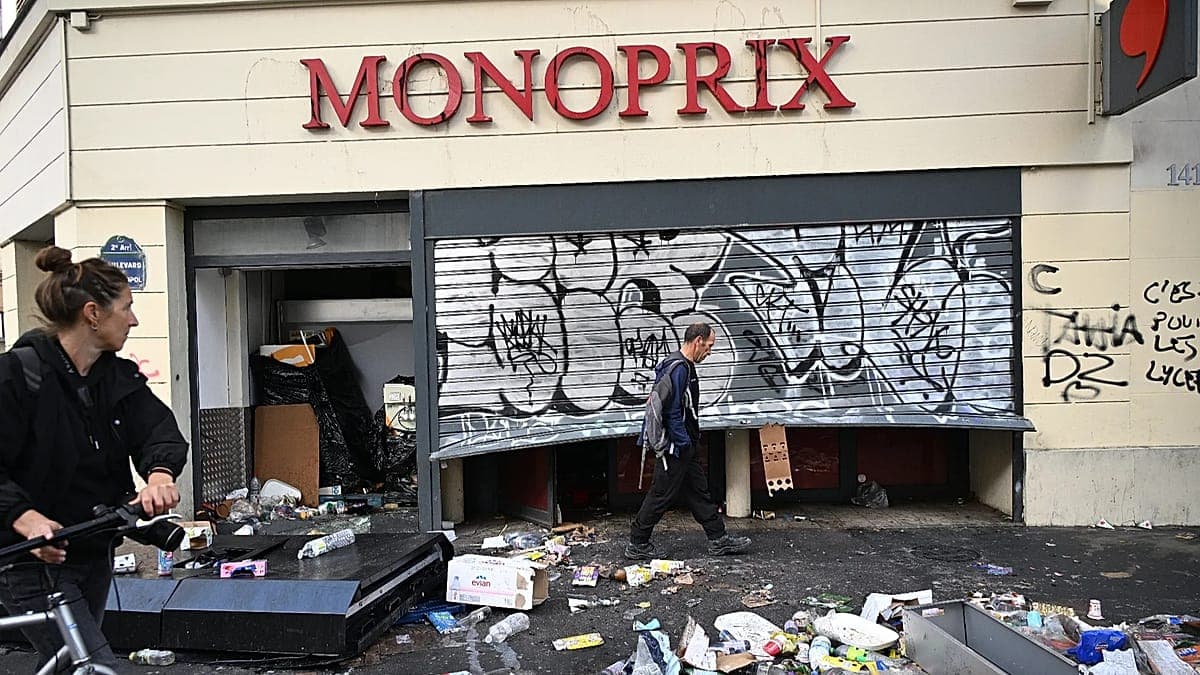
French Businesses Face Massive Recovery Costs Following Widespread Looting and Civil Unrest
Reader Discussion
Leave a Comment
0 Comments
Owner
Editorial Oversight & Machine-Assisted Reporting
Human-in-the-Loop VerifiedEditorial Oversight & Machine-Assisted Reporting: This dispatch was synthesized and localized via OPA automated intelligence under continuous human editorial supervision.
Wire Source
This report was synthesized from Euro News under journalistic fair use.