
Kayhan Editor Shariatmadari Criticizes Iranian Parliament's Seven-Month Inaction During Crisis
Key Takeaways
- Hossein Shariatmadari criticized Iran's parliament for being effectively shut down or sidelined over the past seven months amid wartime conditions.
- The Kayhan editor argued that appointing Speaker Mohammad Bagher Ghalibaf to lead negotiations created a structural conflict of interest that crippled legislative oversight.
- Crucial issues including vacant ministerial posts in Intelligence and Defense and the Strait of Hormuz legal regime were left unaddressed during the period.
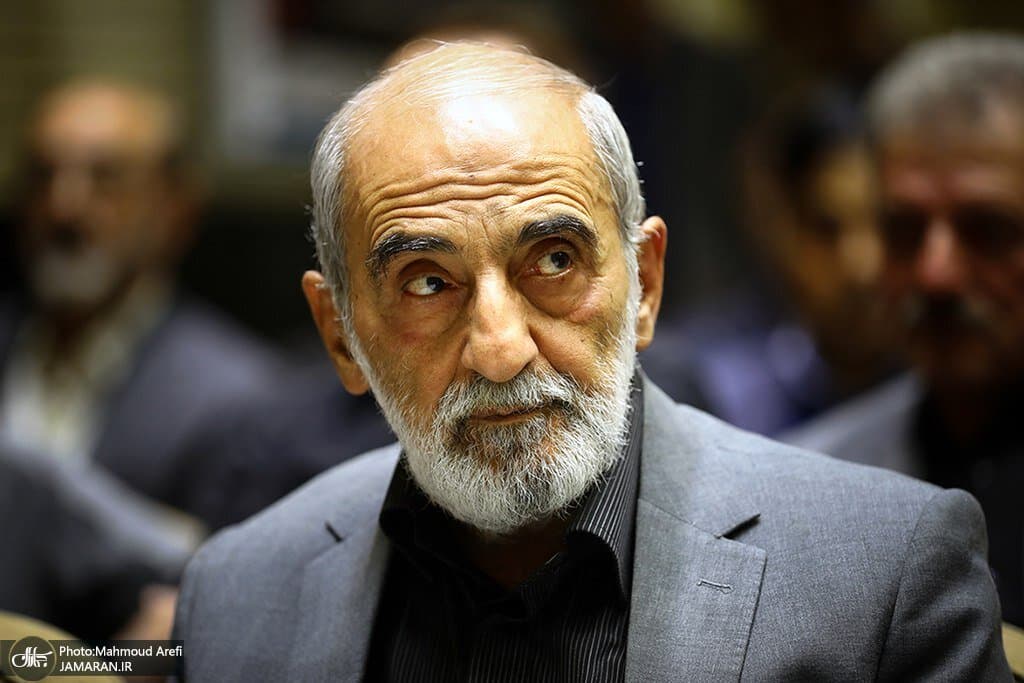
Hossein Shariatmadari, the prominent editor-in-chief of Kayhan newspaper, has sharply criticized the functional paralysis of Iran's Islamic Consultative Assembly over the past seven months. In a published commentary, Shariatmadari argued that the legislature was effectively pushed aside from the core governance apparatus during critical wartime conditions. He emphasized that the legislative body failed to perform its constitutional duties and provide necessary strategic backing to the state precisely when the nation required decisive domestic steering.
Shariatmadari highlighted how a strong parliament typically empowers a nation's diplomatic leverage, invoking historical guidance that governments rely on legislative backing during tense negotiations. 'The parliament is a heavy counterweight; governments globally utilize this parliamentary weight in negotiations, interactions, and practical participation,' Shariatmadari wrote, questioning where the assembly stood during recent high-stakes talks. He also stressed that crucial legislative mandates—ranging from wartime economic frameworks and legal regimes governing the Strait of Hormuz to managing unconfirmed leadership in the Intelligence and Defense ministries—remained completely neglected.
The hardline editor raised pointed questions regarding the appointment of Parliament Speaker Mohammad Bagher Ghalibaf as the head of the diplomatic negotiating team, describing the dual role as an inherent conflict of interest. Shariatmadari argued that selecting the sitting speaker to lead negotiations effectively shut down legislative operations. He pointed out that while Ghalibaf holds the duty to oversee government negotiating teams as head of parliament, serving simultaneously as the chief negotiator renders oversight contradictory and structurally impossible.
As the Iranian parliament prepares to resume operations under modified security measures and exceptional operating procedures, Shariatmadari urged officials to draw cautionary lessons from the prolonged shutdown. He cautioned against negligence or political deception that might have enabled the marginalization of the legislative branch. Looking forward, the commentary underscores deepening internal scrutiny over executive and diplomatic decision-making, pressing Iranian lawmakers to urgently reclaim their oversight and policy-setting functions amid heightened regional conflicts.
Subscribe to the Global Briefing
Receive our flagship executive dispatch every morning. Essential geopolitical analysis, financial benchmarks, and breaking world events delivered to your inbox.
Related Stories & Follow-ups
Editorial Wire Editorial & Opinion
Sudan’s New Peace Initiative Faces Skepticism Amid Protracted Civil War
 Editorial & Opinion
Iranian Newspaper Accuses Taliban of Silent War Against Tehran Funded by US
 Editorial & Opinion
Iranian Daily Criticizes Parliament for Factional Infighting and Neglecting Economic Crises
Reader Discussion
Leave a Comment
0 Comments
Owner
Editorial Oversight & Machine-Assisted Reporting
Human-in-the-Loop VerifiedEditorial Oversight & Machine-Assisted Reporting: This dispatch was synthesized and localized via OPA automated intelligence under continuous human editorial supervision.
Wire Source
This report was synthesized from Khabar Online under journalistic fair use.