
Mental health under strain: Spain lags Europe in access to psychologists
Key Takeaways
- Spain has only 6 clinical psychologists per 100,000 people, significantly below the European average of 18.
- Public mental health services are struggling to transition from treating only severe disorders to addressing everyday life stressors.
- The current system often forces patients to wait months between sessions, which prevents the continuity required for effective psychotherapy.
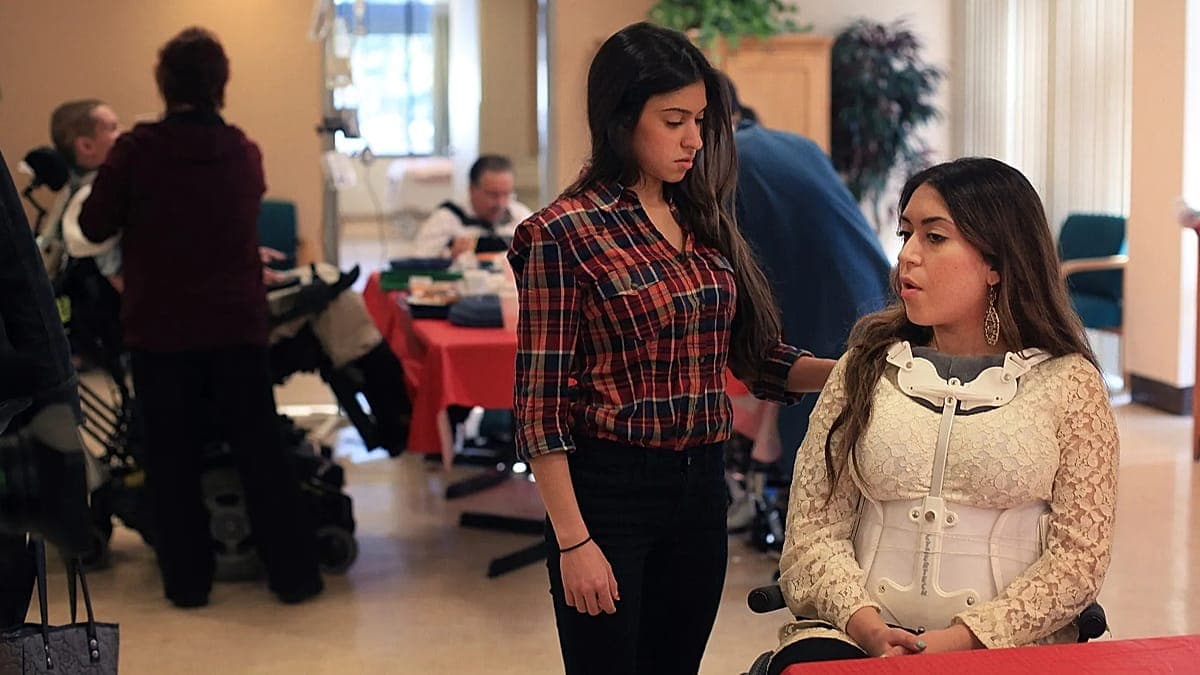
OPA WIRE, Sep 30 (OPA) — Mental health in Spain has moved from the shadows into the public spotlight, with anxiety, depression, and stress becoming common topics of conversation. While the silence surrounding these issues has finally been broken, the nation now faces a critical bottleneck: what happens when individuals finally decide to seek professional help? Despite increased awareness, the public healthcare system is struggling to meet the surge in demand, leaving many citizens in a state of limbo after they take the brave step of reaching out for support.
Spain currently employs approximately six clinical psychologists per 100,000 inhabitants, a figure that pales in comparison to the European average of 18. This severe shortage manifests in long waiting lists and appointments spaced months apart, rendering effective, continuous treatment nearly impossible. Psychiatrist Kazuhiro Tajima notes that while society has successfully destigmatized mental health, the public system remains fundamentally ill-equipped to handle the modern influx of patients seeking help for both clinical disorders and everyday life stressors.
Historically, public mental health services were designed solely for diagnosing and treating severe psychiatric illnesses. Today, however, these services are overwhelmed by individuals seeking guidance for bereavement, relationship breakups, and work-related conflicts. This shift in demand has created a structural crisis. Because the system was never built to provide universal, ongoing psychotherapy for non-clinical distress, it has become saturated, forcing patients to wait weeks or even months between sessions, which undermines the very nature of therapeutic progress.
This systemic failure risks creating a two-tier healthcare model where mental health becomes a luxury. Those with financial means can bypass the public system by paying for private consultations, ensuring consistent care. Conversely, those reliant on the public sector are left with fragmented, ineffective treatment. Psychologist Fran Gullón warns that this disparity is dangerous, as early intervention is often the only way to prevent minor issues from escalating into severe, chronic conditions that require more intensive and costly medical intervention.
Looking ahead, experts argue that simply increasing the number of training spots for psychologists is a necessary but insufficient solution. While the government has slightly increased the intake of Resident Intern Psychologists, the lag time in training means these professionals will not be available for years. The path forward requires a dual approach: expanding public capacity while simultaneously rethinking the model to ensure that mental healthcare is treated as a fundamental right rather than a privilege determined by one's bank balance or geographic location.
Subscribe to the Global Briefing
Receive our flagship executive dispatch every morning. Essential geopolitical analysis, financial benchmarks, and breaking world events delivered to your inbox.
Mohammad Karamali
Verified Wire ContributorSenior correspondent covering geopolitics, regional developments, and strategic international affairs for OPA News (Optimum Public Affairs).
Related Stories & Follow-ups
Editorial Wire

Reader Discussion
Leave a Comment
0 Comments
Owner
Editorial Oversight & Machine-Assisted Reporting
Human-in-the-Loop VerifiedEditorial Oversight & Machine-Assisted Reporting: This dispatch was synthesized and localized via OPA automated intelligence under continuous human editorial supervision.
Wire Source
This report was synthesized from Euro News under journalistic fair use.