
Severe Resource Deficits Drive Deadly Surge in Congo Ebola Epidemic
Key Takeaways
- Severe shortages of external aid and medical supplies in Mangala fueled the rapid expansion of Congo's Ebola outbreak.
- A lack of early testing and personal protective equipment led to widespread misdiagnosis and high caregiver mortality.
- Health agencies are mobilizing emergency vaccines and decentralized care units to halt wider regional transmission.
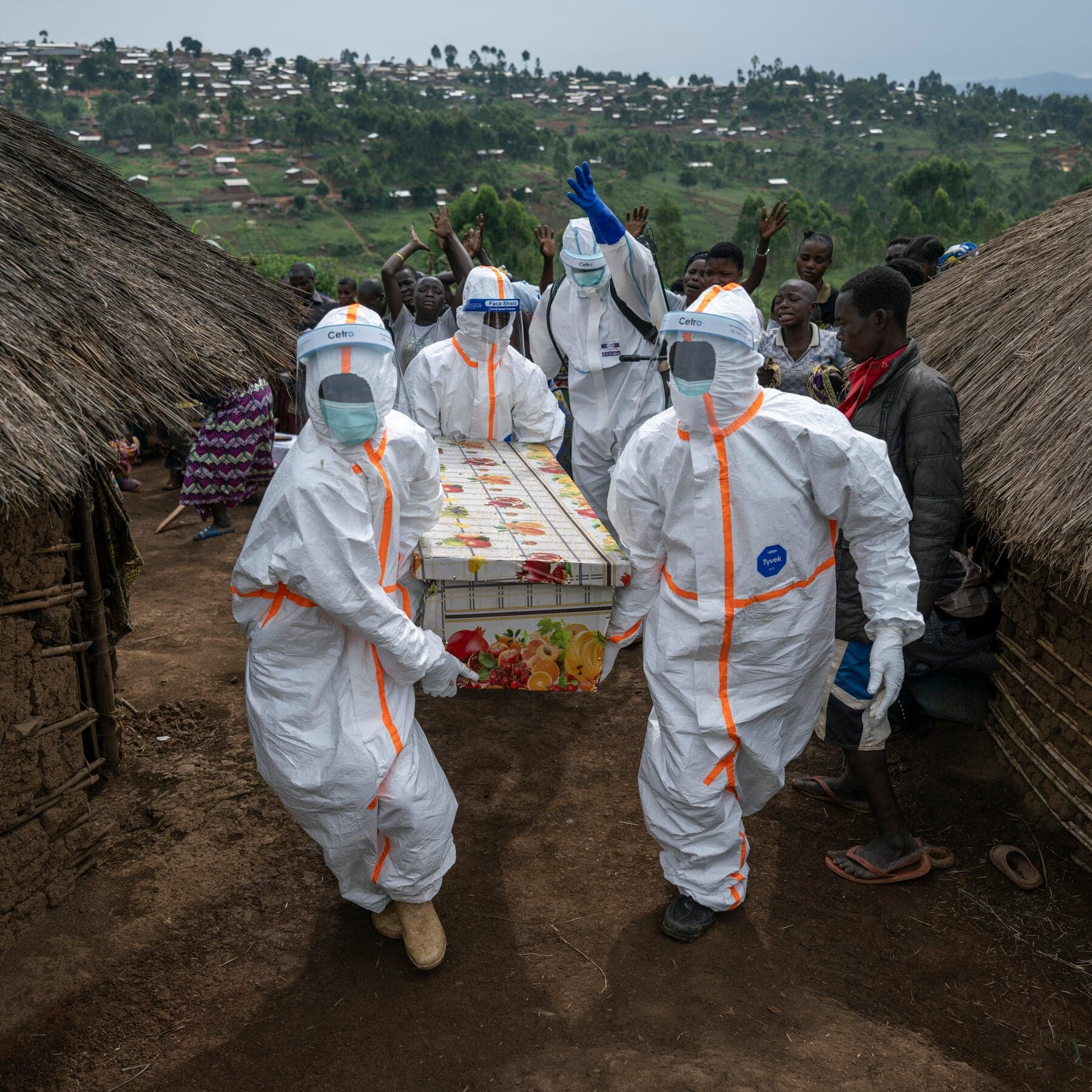
OPA WIRE, Oct 5 (OPA) — A lethal resurgence of Ebola in the Democratic Republic of Congo has escalated into the country's worst documented outbreak, driven largely by severe systemic failures and absent international aid in isolated rural communities. In hard-hit localities like Mangala, infected residents were left without basic medical supplies, diagnostic tools, or operational isolation wards during the critical opening weeks of transmission. This absence of early frontline containment allowed the highly contagious pathogen to circulate unchecked through vulnerable family networks and primary healthcare facilities.
Epidemiological evaluations reveal that community-level transmission accelerated rapidly before central health authorities could intervene. Local clinics, lacking personal protective equipment and trained epidemiologists, frequently misdiagnosed early cases as malaria or typhoid, exponentially increasing exposure among healthcare personnel and caregivers. "People were dying in their homes without any testing or supportive therapy," an emergency responder reported, highlighting that community mortality rates spiked severely before national response teams established containment zones.
The crisis exposes chronic structural vulnerabilities within the Democratic Republic of Congo’s public health infrastructure, long compromised by ongoing regional conflict, deep community mistrust, and logistical barriers. Prior outbreaks had relied heavily on external mobile laboratory units and emergency stockpiles, but funding gaps and security constraints significantly delayed deployment to Mangala and neighboring areas. Consequently, traditional surveillance strategies collapsed, enabling hidden chains of transmission to spread into dense regional transit corridors.
Global health agencies and the Congolese health ministry are now deploying emergency vaccination protocols, deploying experimental therapeutics, and establishing decentralized treatment centers to stem the surge. Halting the epidemic will require sustained financial commitments, rapid diagnostic deployments, and intensive community engagement to rebuild local trust and successfully isolate active chains of transmission before the outbreak breaches international borders.
Subscribe to the Global Briefing
Receive our flagship executive dispatch every morning. Essential geopolitical analysis, financial benchmarks, and breaking world events delivered to your inbox.
Mohammad Karamali
Verified Wire ContributorSenior correspondent covering geopolitics, regional developments, and strategic international affairs for OPA News (Optimum Public Affairs).
Related Stories & Follow-ups
Editorial Wire


Reader Discussion
Leave a Comment
0 Comments
Owner
Editorial Oversight & Machine-Assisted Reporting
Human-in-the-Loop VerifiedEditorial Oversight & Machine-Assisted Reporting: This dispatch was synthesized and localized via OPA automated intelligence under continuous human editorial supervision.
Wire Source
This report was synthesized from New York Times under journalistic fair use.