
Iranian Lawmaker Warns Exiting Nuclear Non-Proliferation Treaty Signals Pursuit of Nuclear Weapons
Key Takeaways
- Lawmaker Mohammad Seraj warns leaving the NPT signals Iran is pursuing nuclear weapons and will alienate Russia and China.
- Seraj proposed replacing Western-led international inspectors with monitors from China and Russia while technically remaining within the NPT.
- The Iranian parliament has drafted a bill on NPT withdrawal, but official state leadership has not endorsed the measure.
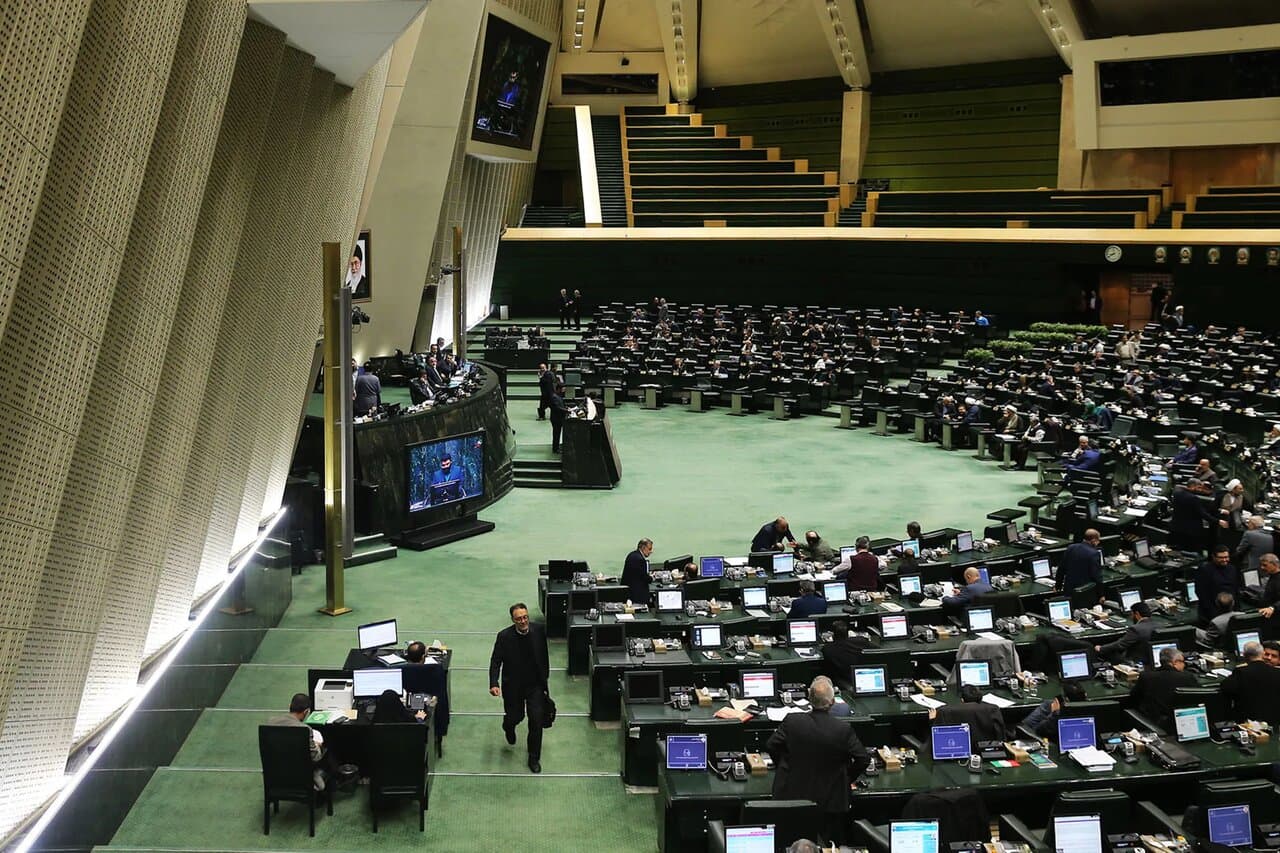
Mohammad Seraj, an Iranian lawmaker representing Tehran, has voiced strong opposition to a proposed parliamentary bill that would mandate Iran's withdrawal from the Treaty on the Non-Proliferation of Nuclear Weapons (NPT). In an interview with Khabar Online, Seraj warned that formally exiting the international treaty would send an explicit signal to the international community that the Islamic Republic intends to develop nuclear weapons, alienating strategic allies in the process.
Seraj argued that a complete exit would lead key global partners to withdraw their diplomatic and strategic backing. "If we withdraw from the NPT now, we will lose our friends. Currently, the United States, Russia, and China have opposed this plan," Seraj stated. "If we leave the NPT, the implication is that we want to pursue nuclear weapons, and as a result, we will lose these friends, who may no longer support us." He proposed instead that Iran remain in the NPT while barring inspectors from Western-aligned international bodies, suggesting Tehran invite monitors specifically from China and Russia.
The lawmaker also highlighted that while using the prospect of NPT withdrawal serves as an effective political and diplomatic threat against Western powers—including the United States, Britain, France, and Germany—actually executing the exit would inflict disproportionate damage on Iran's foreign relations. Seraj noted that the urgent parliamentary proposal has merely been drafted and posted, without being formally accepted or debated on the parliament floor.
Looking ahead, Seraj underscored that any ultimate decision on Iran's nuclear posture rests beyond the legislative branch, requiring full alignment with the Supreme National Security Council and state leadership. He reiterated that since Iran officially maintains it does not pursue weapons of mass destruction, leaving the pact yields zero strategic utility, urging policymakers to consider the full geopolitical ramifications before advancing the legislation.
Subscribe to the Global Briefing
Receive our flagship executive dispatch every morning. Essential geopolitical analysis, financial benchmarks, and breaking world events delivered to your inbox.
Related Stories & Follow-ups
Editorial WireTrump Waives New Russia Sanctions, Drawing Sharp Criticism from Zelenskyy
 Politics
Zelenskyy Urges Sanctions Enforcement After Trump Pauses Measures Against Russia
 Politics
Reports Allege Elon Musk and Donald Trump Coordinated Starlink Restrictions in Ukraine
Reader Discussion
Leave a Comment
0 Comments
Owner
Editorial Oversight & Machine-Assisted Reporting
Human-in-the-Loop VerifiedEditorial Oversight & Machine-Assisted Reporting: This dispatch was synthesized and localized via OPA automated intelligence under continuous human editorial supervision.
Wire Source
This report was synthesized from Khabar Online under journalistic fair use.