
Parti Québécois Wins Quebec Election Without Majority, Postpones Sovereignty Vote Amid US Pressures
Key Takeaways
- The Parti Québécois secured around 60 of 127 seats, returning to power without an absolute majority.
- Leader Paul St-Pierre Plamondon ruled out an independence referendum during Donald Trump's presidency.
- Provincial challenges mount alongside US tariffs on more than $20 billion worth of Canadian imports.
The separatist Parti Québécois (PQ) has returned to power in Quebec's provincial election after more than a decade, securing approximately 60 seats in the 127-member National Assembly. Despite the victory, the party fell short of the 64 seats required for an outright majority, requiring it to rely on opposition support to govern. Analysts attribute the outcome to voter exhaustion with the center-right Coalition Avenir Québec administration, which had held power since 2018.
Party leader Paul St-Pierre Plamondon announced that a new referendum on sovereignty will not take place while Donald Trump occupies the White House, citing economic turbulence and political uncertainty caused by US trade tariffs. Plamondon noted that the provincial government will cooperate with Ottawa when it serves Quebec's interests. Public polling shows support for Quebec independence hovering near historic lows at roughly 30 percent, following previous failed referendums in 1980 and 1995.
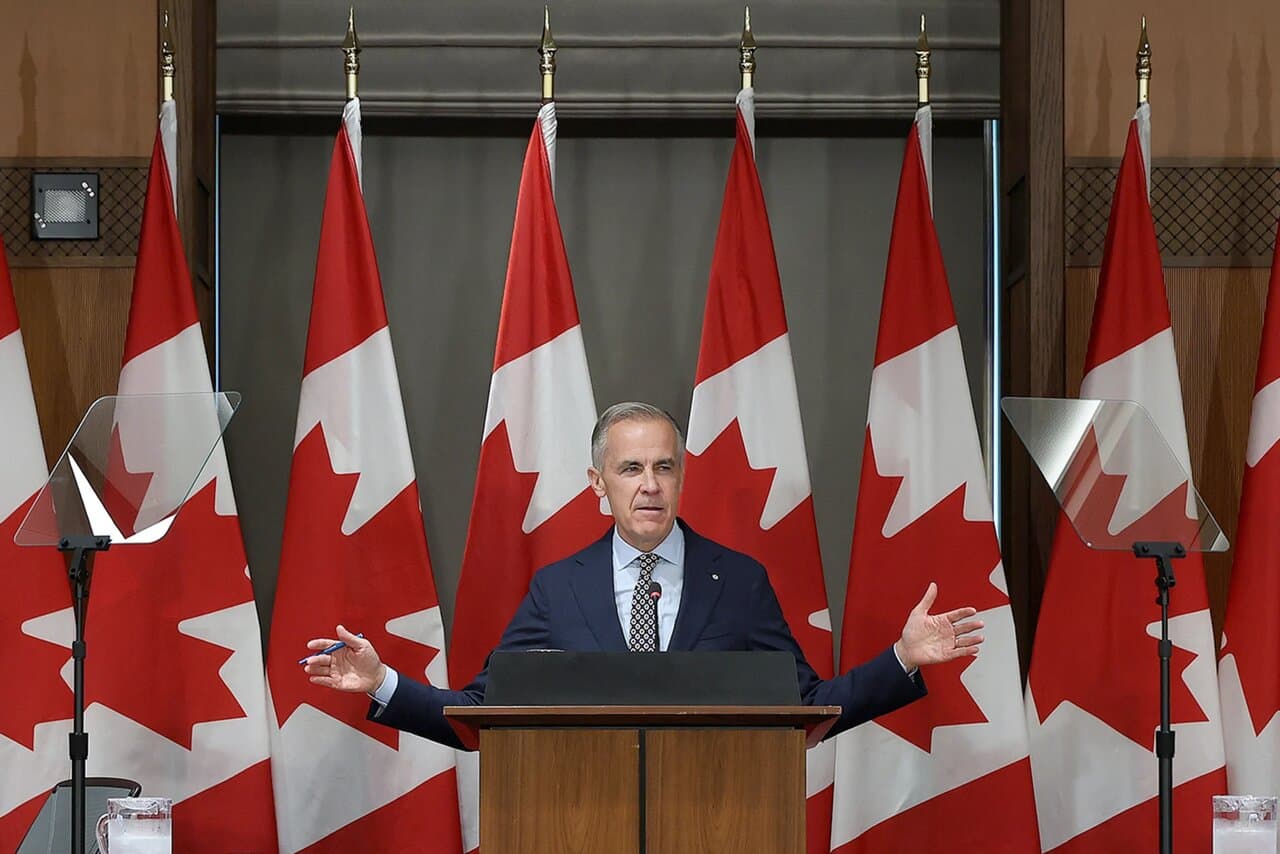
The PQ's resurgence poses distinct challenges for Canadian Prime Minister Mark Carney, who has emphasized national unity in negotiations with Washington. The PQ platform includes resisting federal immigration increases, severing provincial ties with the British monarchy, and opposing a planned high-speed rail line connecting Quebec to Ontario. Quebec already exercises substantial autonomy, collecting its own income tax and maintaining distinct immigration and French-language mandates for its majority Francophone population.
Rising cross-border tensions complicate Canada's domestic landscape after Carney halted bilateral trade negotiations with the United States in August. The breakdown triggered 50 percent US tariffs targeting over $20 billion in Canadian goods, including timber, cement, and hockey equipment. Quebec's vote also precedes an October 19 independence-related referendum in oil-rich Alberta, adding further regional strain onto federal authorities navigating escalating trade friction with Washington.
Subscribe to the Global Briefing
Receive our flagship executive dispatch every morning. Essential geopolitical analysis, financial benchmarks, and breaking world events delivered to your inbox.
Related Stories & Follow-ups
Editorial WireTrump Waives New Russia Sanctions, Drawing Sharp Criticism from Zelenskyy
 Politics
Zelenskyy Urges Sanctions Enforcement After Trump Pauses Measures Against Russia
 Politics
Reports Allege Elon Musk and Donald Trump Coordinated Starlink Restrictions in Ukraine
Reader Discussion
Leave a Comment
0 Comments
Owner
Editorial Oversight & Machine-Assisted Reporting
Human-in-the-Loop VerifiedEditorial Oversight & Machine-Assisted Reporting: This dispatch was synthesized and localized via OPA automated intelligence under continuous human editorial supervision.
Wire Source
This report was synthesized from Khabar Online under journalistic fair use.