
UK Prime Minister Accuses Russia of Direct Interference in 2016 Brexit Referendum
Key Takeaways
- UK Prime Minister explicitly blames Russia for 2016 Brexit referendum interference.
- The claim marks a historic shift in official government rhetoric regarding foreign influence.
- The statement follows years of parliamentary debate over the integrity of the Brexit vote.
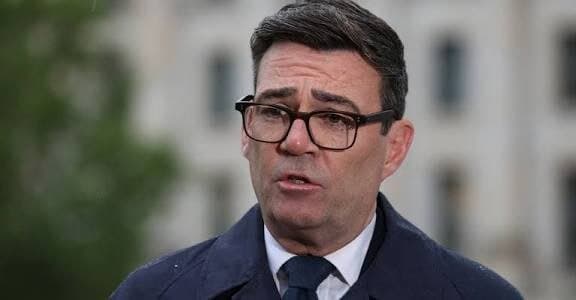
In a significant and unprecedented diplomatic escalation, the British Prime Minister has formally accused the Russian government of direct interference in the 2016 Brexit referendum. This assertion marks the first time a sitting UK leader has explicitly linked Moscow to the internal political process that ultimately led to the United Kingdom’s departure from the European Union. The statement signals a hardening stance from London regarding historical foreign influence operations.
While specific technical evidence was not immediately detailed in the Prime Minister's latest remarks, the accusation aligns with long-standing concerns raised by intelligence agencies regarding foreign disinformation campaigns. The Prime Minister emphasized that the interference was "explicit," suggesting that state-sponsored actors sought to manipulate public opinion and exacerbate social divisions during the highly contentious campaign period. This development adds a new layer of complexity to the already strained diplomatic relations between London and Moscow.
Historically, the 2016 referendum has been the subject of multiple parliamentary inquiries and intelligence reports, most notably the Intelligence and Security Committee’s Russia Report. Previous investigations had highlighted the potential for foreign influence but stopped short of confirming a decisive impact on the final vote count. The Prime Minister’s current stance represents a shift toward a more definitive narrative, moving beyond the cautious language previously employed by government officials regarding Russian cyber activities and social media influence.
Looking ahead, this accusation is expected to trigger renewed calls for a comprehensive review of the UK’s electoral security protocols. Political analysts suggest that the government may face pressure to release further declassified intelligence to substantiate these claims. As the UK continues to navigate its post-Brexit geopolitical identity, the focus on foreign interference is likely to remain a central theme in national security policy, potentially leading to stricter regulations on political advertising and foreign funding in future democratic processes.
Subscribe to the Global Briefing
Receive our flagship executive dispatch every morning. Essential geopolitical analysis, financial benchmarks, and breaking world events delivered to your inbox.
Related Stories & Follow-ups
Editorial Wire Politics
Donald Trump Renews Aggressive Rhetoric Regarding Military Action Against Iran
Trump Waives New Russia Sanctions, Drawing Sharp Criticism from Zelenskyy
 Politics
Zelenskyy Urges Sanctions Enforcement After Trump Pauses Measures Against Russia
Reader Discussion
Leave a Comment
0 Comments
Owner
Editorial Oversight & Machine-Assisted Reporting
Human-in-the-Loop VerifiedEditorial Oversight & Machine-Assisted Reporting: This dispatch was synthesized and localized via OPA automated intelligence under continuous human editorial supervision.
Wire Source
This report was synthesized from ISNA under journalistic fair use.