
Andy Burnham Rejects Labour-Green Partnerships Over Controversial Anti-Semitic Motion
Key Takeaways
- Andy Burnham ruled out Labour-Green partnerships, labeling the party's new motion anti-Semitic.
- The Campaign Against Antisemitism has reported the Green Party to the Equalities and Human Rights Commission.
- Internal party rules may prevent the Green Party from reversing the controversial policy until 2028.
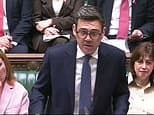
Andy Burnham has issued a stern condemnation of the Green Party following the adoption of a controversial motion at their recent Brighton conference. The motion, which characterizes Zionism as racism and calls for Israel to be treated similarly to apartheid-era South Africa, has triggered significant political fallout. During Prime Minister’s Questions, Burnham unequivocally declared the policy anti-Semitic and stated that the Labour Party would not support any formal partnerships with the Greens while this position remains in effect.
The political backlash has been swift, with Reform leader Nigel Farage and several Labour figures criticizing the motion as a descent into sectarian politics. The Campaign Against Antisemitism (CAA) has formally reported the Green Party to the Equalities and Human Rights Commission, alleging that the policy constitutes unlawful discrimination against Jewish members. Gideon Falter, CEO of the CAA, stated, "We will not stand idly by as extremists hijack a political party and make antisemitism its openly stated policy," signaling potential legal challenges ahead for the party leadership.
Internal division within the Green Party has intensified, with former leaders including Caroline Lucas, Adrian Ramsay, and Carla Denyer publicly opposing the motion. They have warned that the stance is divisive and risks alienating Jewish members and the broader electorate. Party leader Zack Polanski, who missed the vote due to campaign commitments, is now under mounting pressure to address the crisis, which threatens to destabilize his leadership and undermine the party's progressive credentials.
Despite Polanski’s desire to reverse the policy, internal procedural hurdles may prevent any formal change for years. The party's Standing Orders Committee rules suggest that motions significantly amending recently passed policies may be blocked for up to 21 months, potentially delaying a resolution until 2028. As the party grapples with these constitutional constraints, the uncertainty surrounding the policy continues to jeopardize existing local council pacts between Labour and the Greens, leaving the future of their political cooperation in serious doubt.
Subscribe to the Global Briefing
Receive our flagship executive dispatch every morning. Essential geopolitical analysis, financial benchmarks, and breaking world events delivered to your inbox.
Related Stories & Follow-ups
Editorial WireTrump Waives New Russia Sanctions, Drawing Sharp Criticism from Zelenskyy
 Politics
Zelenskyy Urges Sanctions Enforcement After Trump Pauses Measures Against Russia
 Politics
Reports Allege Elon Musk and Donald Trump Coordinated Starlink Restrictions in Ukraine
Reader Discussion
Leave a Comment
0 Comments
Owner
Editorial Oversight & Machine-Assisted Reporting
Human-in-the-Loop VerifiedEditorial Oversight & Machine-Assisted Reporting: This dispatch was synthesized and localized via OPA automated intelligence under continuous human editorial supervision.
Wire Source
This report was synthesized from Daily Mail under journalistic fair use.