
Albanian Prime Minister Edi Rama Blames Foreign Actors for Escalating Nationwide Protests
Key Takeaways
- Albanian PM Edi Rama blames 'foreign hands' for four days of violent anti-government protests.
- Demonstrators are demanding education reforms and protesting against alleged corruption and inequality.
- The EU has called for a proportionate police response as protests spread from Tirana to other cities.
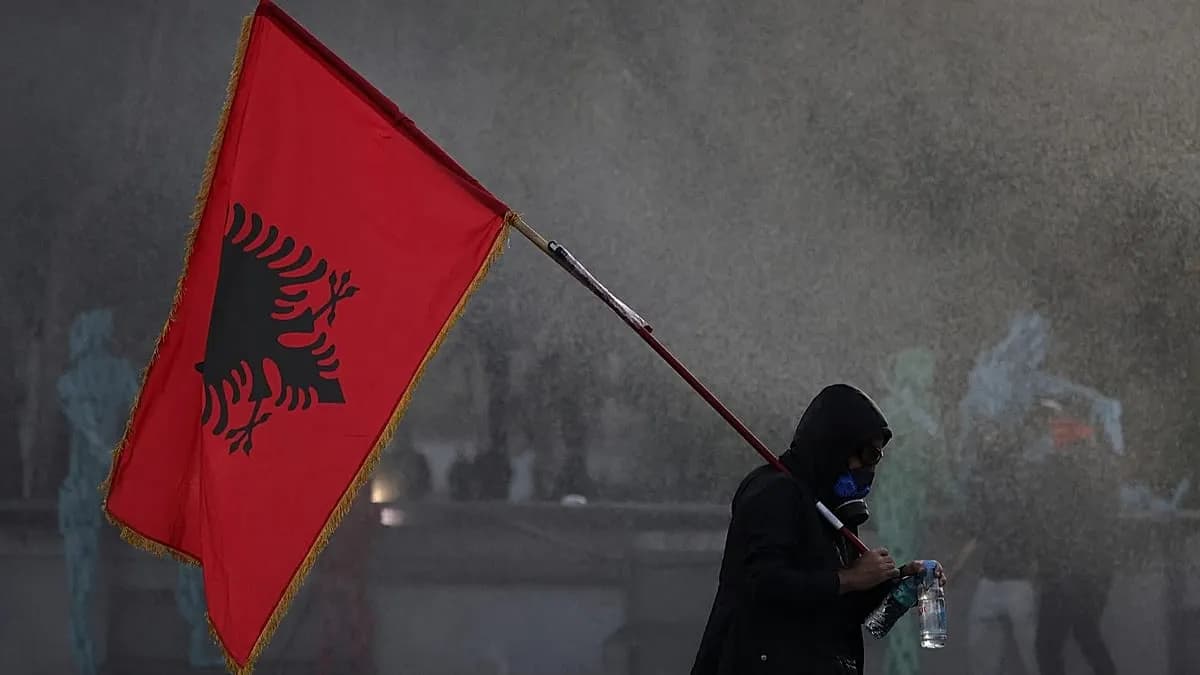
Albanian Prime Minister Edi Rama has issued a public appeal for calm as violent anti-government demonstrations entered their fourth consecutive day across the country. Addressing the nation via social media, Rama characterized the unrest as the work of "foreign hands" intent on destabilizing the Balkan nation. The protests, which began in the capital of Tirana, have seen thousands of young demonstrators take to the streets to demand education reforms and express deep-seated frustration with the current administration's perceived arrogance and indifference.
The situation has turned increasingly volatile, with protesters smashing windows, damaging public infrastructure, and setting fire to rubbish bins to obstruct traffic. Police forces have responded with tear gas and water cannons to disperse the crowds. One 18-year-old participant, Ledia, stated, "We are not criminals. We simply want a better life for our parents and ourselves. We do not want to leave Albania." The European Union delegation in Albania has officially intervened, urging authorities to exercise a proportionate response while expressing grave concern regarding the violent escalation of the demonstrations.
These protests are the latest manifestation of months of mounting public dissatisfaction in Albania. The movement has been fueled by broader grievances, including allegations of systemic corruption and inequality. Specifically, a controversial luxury tourism project involving the family of former U.S. President Donald Trump has become a focal point for activists, serving as a symbol of the government's alleged disconnect from the needs of the average citizen. The unrest has now spread beyond the capital, with students across multiple cities boycotting classes to join the movement.
Despite the pressure, Prime Minister Rama remains in a secure political position following his Socialist Party's fourth consecutive election victory last year. With the next parliamentary elections not scheduled until 2029, the government is currently focused on its ambitious goal of securing European Union membership by 2028. However, the ongoing civil unrest poses a significant challenge to the administration's stability and its international reputation as it navigates the complex path toward EU integration amidst growing domestic volatility.
Related Stories
Reader Discussion
Leave a Comment
0 Comments
Owner
Editorial Oversight & Machine-Assisted Reporting
Human-in-the-Loop VerifiedEditorial Oversight & Machine-Assisted Reporting: This dispatch was synthesized and localized via OPA automated intelligence under continuous human editorial supervision.
Wire Source
This report was synthesized from Euro News under journalistic fair use.