
Speculation Mounts Over Potential Military Escalation Between Iran and Israel
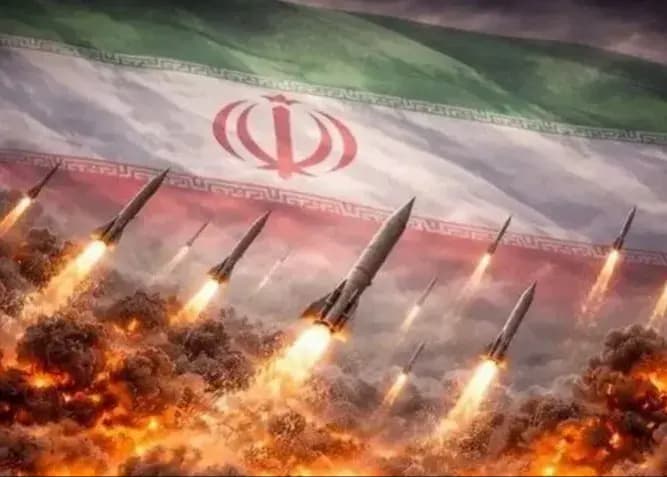
Key Takeaways
- Unverified media claims suggest a potential military conflict within 24 hours, though no official evidence supports this timeline.
- Israel remains on high security alert following high-level consultations with U.S. officials.
- Qatari mediators are pressing Iran for a response to U.S. de-escalation proposals before the U.S. election cycle concludes.
Heightened regional tensions have sparked widespread speculation regarding a potential military escalation involving Iran and Israel. Recent claims circulating in media circles, notably by journalist Morteza Gharghi, have suggested the possibility of a conflict erupting within a 24-hour window. These assertions, which cite shifting regional dynamics and rhetoric from U.S. political figures, have intensified public anxiety, though they currently lack independent verification or official confirmation from military authorities.
While rumors of an imminent strike persist, official reports from Israel indicate a state of high alert rather than an immediate commencement of hostilities. Israeli security officials have held high-level meetings with American counterparts to assess the volatile landscape. Despite the intense military posturing, there is no corroborated evidence to support the specific 24-hour timeline suggested by media pundits, and analysts urge caution in distinguishing between strategic signaling and actual operational intent.
Parallel to the military tension, diplomatic channels remain active but strained. According to reports from Axios, the White House and Qatari mediators are awaiting a formal response from Tehran regarding proposals to de-escalate regional conflicts. Sources suggest that mediators have urged Iranian Foreign Minister Abbas Araghchi to expedite a decision, warning that the window for diplomatic leverage may narrow significantly following the upcoming U.S. elections, particularly given the potential for a shift in American foreign policy.
Ultimately, the situation remains fluid, characterized by a complex interplay of military readiness and stalled diplomacy. While the threat of conflict is a central concern for regional stakeholders, the lack of official confirmation regarding an imminent attack suggests that current developments are part of a broader, ongoing standoff. Observers are advised to rely on verified government statements rather than speculative media reports as the international community continues to monitor the fragile stability of the Middle East.
Subscribe to the Global Briefing
Receive our flagship executive dispatch every morning. Essential geopolitical analysis, financial benchmarks, and breaking world events delivered to your inbox.
Related Stories & Follow-ups
Editorial WireTrump Waives New Russia Sanctions, Drawing Sharp Criticism from Zelenskyy
 Politics
Zelenskyy Urges Sanctions Enforcement After Trump Pauses Measures Against Russia
 Politics
Reports Allege Elon Musk and Donald Trump Coordinated Starlink Restrictions in Ukraine
Reader Discussion
Leave a Comment
0 Comments
Owner
Editorial Oversight & Machine-Assisted Reporting
Human-in-the-Loop VerifiedEditorial Oversight & Machine-Assisted Reporting: This dispatch was synthesized and localized via OPA automated intelligence under continuous human editorial supervision.
Wire Source
This report was synthesized from Varzesh 3 under journalistic fair use.