
Trump Waives Sanctions on Russian Oil Buyers to Ease Domestic Energy Prices
Key Takeaways
- President Trump waived 100% tariffs on major Russian oil importers and 500% tariffs on Russian goods.
- The executive order bypasses the bipartisan Lindsey O. Graham Sanctioning Russia Act.
- The administration claims the move is necessary to lower energy prices, despite bipartisan Congressional backlash.
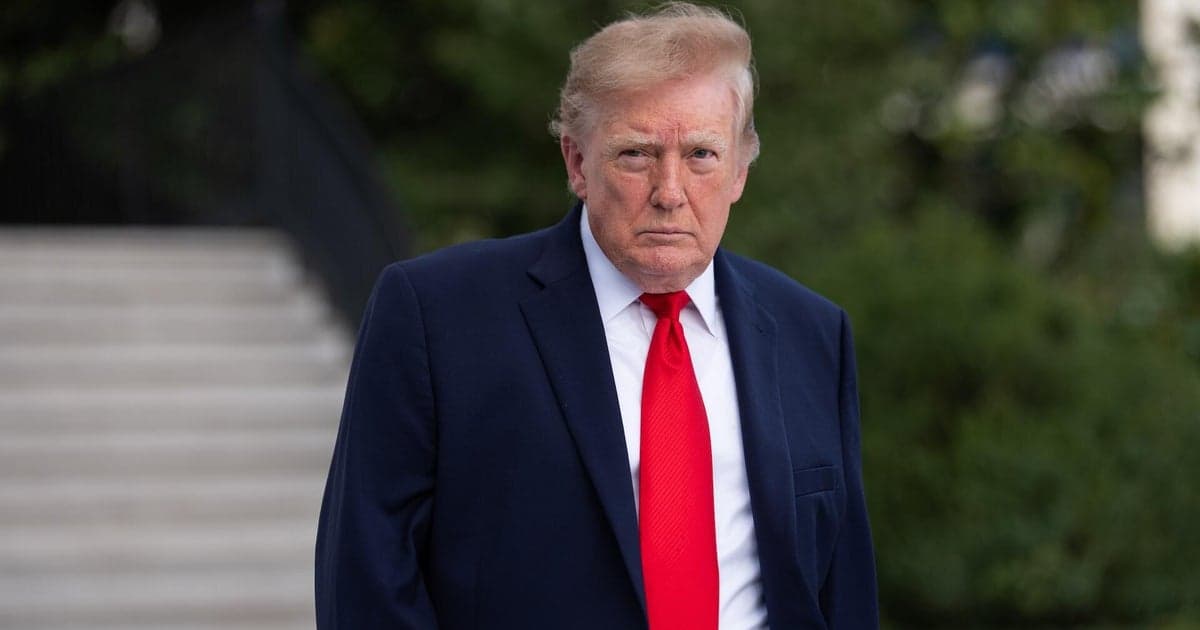
President Trump has issued an executive order waiving critical sanctions and 100% tariffs on the world's largest importers of Russian crude oil and natural gas. The move, which effectively nullifies key provisions of the bipartisan Lindsey O. Graham Sanctioning Russia Act just days before its implementation, was justified by the administration as a necessary step to stabilize global energy prices. By invoking his authority to bypass these measures in the "national interests of the United States," the President has signaled a significant shift in his administration's approach to Russian energy exports.
The waivers also extend to 500% tariffs on various Russian goods, marking a stark reversal of long-standing U.S. policy aimed at curbing Russia's ability to finance its military operations. Administration officials stated that these waivers will remain in effect until further notice, while the White House continues to monitor global energy markets and sanction evasion. The decision follows a recent deal with President Vladimir Putin to import Russian diesel into the U.S. market, further underscoring the administration's prioritization of domestic energy costs over previous geopolitical containment strategies.
The Graham Act was originally designed to pressure major buyers of Russian energy, including China, India, and Turkey, by imposing severe economic penalties. The legislation was championed by the late Senator Lindsey Graham as a tool to drain the financial resources fueling the conflict in Ukraine. However, the President’s recent "energy ceasefire" initiative, which sought to prevent both Russia and Ukraine from striking energy infrastructure, has largely faltered, leading to renewed hostilities and public friction between the White House and President Volodymyr Zelenskyy.
Congressional reaction has been swift and largely negative, with a bipartisan group of senators labeling the waivers a "betrayal" of Ukraine. Critics argue that the administration is undermining its own negotiating leverage by easing economic pressure on Moscow. As the conflict continues, the administration faces mounting pressure to balance the domestic demand for lower energy prices against the strategic necessity of maintaining a unified international front against Russian aggression.
Related Stories


Reader Discussion
Leave a Comment
0 Comments
Owner
Editorial Oversight & Machine-Assisted Reporting
Human-in-the-Loop VerifiedEditorial Oversight & Machine-Assisted Reporting: This dispatch was synthesized and localized via OPA automated intelligence under continuous human editorial supervision.
Wire Source
This report was synthesized from CBS under journalistic fair use.