
Alberta voters reject separation, bolstering Prime Minister Carney’s national unity push
Key Takeaways
- 75% of Alberta voters opted to remain in Canada in the non-binding referendum.
- Premier Danielle Smith pledged not to hold another separation vote during her term.
- Prime Minister Mark Carney cited the result as a victory for national unity amid U.S. trade tensions.
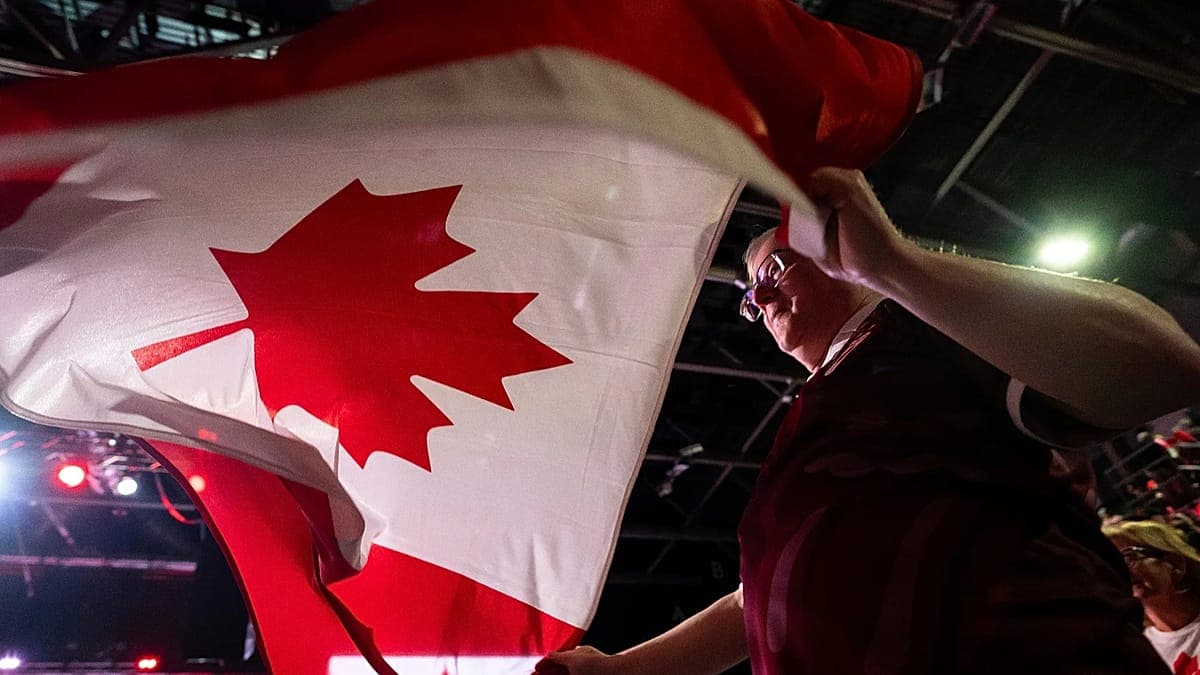
OTTAWA, Oct 21 (OPA) — Alberta voters chose to remain in Canada by a 75% margin, according to unofficial results from Elections Alberta with 90% of districts reporting. The referendum did not trigger immediate independence but served as a formal test of provincial sentiment regarding the federal government. Prime Minister Mark Carney welcomed the outcome, telling reporters in Ottawa that the vote represents a positive development for national stability and signaled his intent to pursue closer cooperation with provincial leadership on immigration and policy.
While the result was decisive, the campaign exposed deep-seated frustrations within the province. Thomas Lukaszuk, who led the 'Forever Canadian' campaign, framed the victory as a warning against external interference, noting that U.S. President Donald Trump’s recent rhetoric has heightened domestic sensitivity. Conversely, some voters, such as Edmonton resident Shawn Campbell, stated they supported the referendum process primarily to signal dissatisfaction with Ottawa rather than to pursue full sovereignty.
Alberta Premier Danielle Smith confirmed in a televised address that she will not call for another separation referendum during her tenure. Smith emphasized that while the province will continue to advocate for greater autonomy, all future disputes will be resolved through existing legal and political frameworks. Separatist organizers, including David Parker, acknowledged the defeat but indicated that the movement intends to remain active in provincial political discourse.
The vote concludes a period of intense debate in Canada’s oil-rich province, which has historically maintained a distinct conservative political identity. Analysts suggest that while separatist sentiment grew following COVID-19 restrictions, the current geopolitical climate—marked by trade tensions with the United States—has effectively consolidated support for the federal status quo. The provincial government now shifts its focus toward federal-provincial negotiations, aiming to address regional grievances without further challenging the integrity of the Canadian federation.
Subscribe to the Global Briefing
Receive our flagship executive dispatch every morning. Essential geopolitical analysis, financial benchmarks, and breaking world events delivered to your inbox.
Mohammad Karamali
Verified Wire ContributorSenior correspondent covering geopolitics, regional developments, and strategic international affairs for OPA News (Optimum Public Affairs).
Related Stories & Follow-ups
Editorial Wire Politics
Trump signals openness to trilateral summit with Putin and Xi in China
 World | Politics
Trump Backs Netanyahu as Iran Conflict Shadows U.S. Midterms and Israeli Elections
 Politics
Trump Suspends Russian Sanctions to Facilitate Peace Negotiations in Ukraine Conflict
Reader Discussion
Leave a Comment
0 Comments
Owner
Editorial Oversight & Machine-Assisted Reporting
Human-in-the-Loop VerifiedEditorial Oversight & Machine-Assisted Reporting: This dispatch was synthesized and localized via OPA automated intelligence under continuous human editorial supervision.
Wire Source
This report was synthesized from Euro News under journalistic fair use.