
Iranian Lawmaker’s Rejection of Diplomacy in Conflict Resolution Faces Historical Scrutiny
Key Takeaways
- Amirhossein Sabeti claimed wars do not end via negotiation, citing the Vietnam and Lebanon wars.
- Historical evidence confirms the Vietnam War ended with the 1973 Paris Peace Accords.
- The 2006 Lebanon War concluded through the implementation of UN Security Council Resolution 1701.
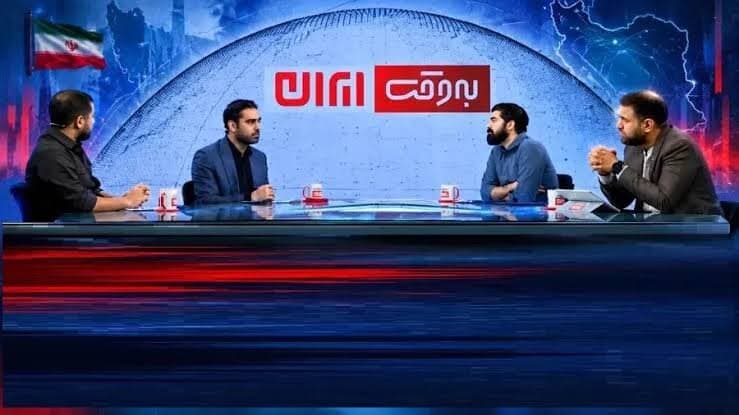
TEHRAN, Oct 24 (OPA) — During a recent appearance on the state-run 'Be Vaght-e Iran' program, lawmaker Amirhossein Sabeti argued that the premise that all wars end in negotiation is fundamentally flawed. To support his position, Sabeti cited the Vietnam War and the 2006 Lebanon War as examples of conflicts that concluded without diplomatic resolution. However, the program’s host and fellow experts, including Vahid Khazab, immediately challenged these claims, noting that both conflicts were formally resolved through international agreements.
Historical records contradict Sabeti’s narrative. The Vietnam War concluded with the 1973 Paris Peace Accords, signed after five years of intensive negotiations between the United States, North Vietnam, South Vietnam, and the Viet Cong. Similarly, the 33-day Lebanon War ended following the adoption of United Nations Security Council Resolution 1701. These frameworks were not spontaneous; they were the direct result of weeks of back-channel diplomacy and mediation involving regional and international actors.
Political science experts emphasize that military action and diplomacy are complementary tools rather than mutually exclusive strategies. History shows that even the most decisive military victories, such as those in World War II, required complex political negotiations—including the Yalta and Potsdam conferences—to establish post-war security architectures. The Iran-Iraq War, the longest conventional conflict of the 20th century, also concluded through the diplomatic process surrounding UN Resolution 598, which addressed border disputes and prisoner exchanges.
Critics of Sabeti’s stance argue that dismissing diplomacy as a tool for ending conflict serves an ideological agenda rather than a historical one. By framing negotiation as a sign of weakness, proponents of this view risk trapping the state in a cycle of perpetual crisis. The consensus among historians remains that while military force may shift the balance of power on the ground, the transition to a stable, lasting peace is only achieved through formal political agreements and international legal frameworks.
Subscribe to the Global Briefing
Receive our flagship executive dispatch every morning. Essential geopolitical analysis, financial benchmarks, and breaking world events delivered to your inbox.
Mohammad Karamali
Verified Wire ContributorSenior correspondent covering geopolitics, regional developments, and strategic international affairs for OPA News (Optimum Public Affairs).
Related Stories & Follow-ups
Editorial Wire Politics
Trump signals openness to trilateral summit with Putin and Xi in China
 Politics
Trump Suspends Russian Sanctions to Facilitate Peace Negotiations in Ukraine Conflict
 Politics
Netanyahu Outlines Strategic Objectives Amid Escalating Regional Tensions
Reader Discussion
Leave a Comment
0 Comments
Owner
Editorial Oversight & Machine-Assisted Reporting
Human-in-the-Loop VerifiedEditorial Oversight & Machine-Assisted Reporting: This dispatch was synthesized and localized via OPA automated intelligence under continuous human editorial supervision.
Wire Source
This report was synthesized from Khabar Online under journalistic fair use.