
Former Iran Science Minister Warns Against Anti-Infiltration Bill Restrictions
Key Takeaways
- Former Science Minister Mohammad Mehdi Zahedi criticized anti-infiltration legislation for harming international academic ties.
- Iran's global scientific ranking currently stands at 18, falling short of regional leadership goals.
- Research and development funding in Iran remains stuck near 0.4 percent of GDP compared to competing regional nations.
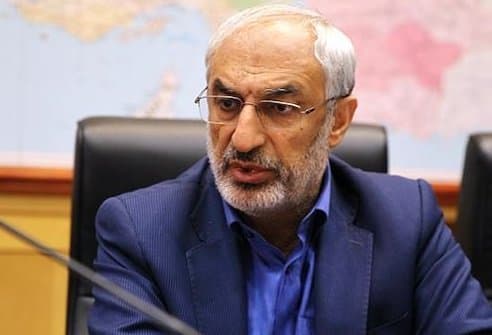
TEHRAN, Nov 10 (OPA) — Mohammad Mehdi Zahedi criticized specific clauses within the proposed counter-infiltration legislation during an interview with Khabar Online, stating that any policy slowing down global academic connectivity directly harms Iran's educational development. He noted that while authorities stress expanding the definition of elites to include practical skills and political analysis, legal bottlenecks continue to stifle scholarly exchange.
Zahedi pointed out that regional competitors like Turkey and Saudi Arabia have surpassed Iran in scientific rankings due to heavy investments in research, modern laboratory facilities, and competitive faculty salaries. Iran's research budget remains stagnant at roughly 0.4 percent of GDP, lagging far behind the targeted four percent benchmark established in long-term development plans.
Over the past two to three years, Iran has experienced a noticeable wave of both physical and remote brain drain, with many researchers affiliating themselves with foreign institutions while remaining inside the country. Zahedi cautioned that without adequate financial backing and structural reforms, Iran risks falling further behind its 2026 regional scientific goals, having slipped from its targeted top spot to a global rank of 18.
To reverse this decline, Zahedi urged policymakers to expand joint study programs, post-doctoral fellowships, and collaborative research frameworks with both domestic and expatriate elites. He maintained that easing educational restrictions and improving the economic livelihoods of university professors are essential steps toward restoring Iran's scientific competitiveness on the international stage.
Subscribe to the Global Briefing
Receive our flagship executive dispatch every morning. Essential geopolitical analysis, financial benchmarks, and breaking world events delivered to your inbox.
Mohammad Karamali
Verified Wire ContributorSenior correspondent covering geopolitics, regional developments, and strategic international affairs for OPA News (Optimum Public Affairs).
Related Stories & Follow-ups
Editorial Wire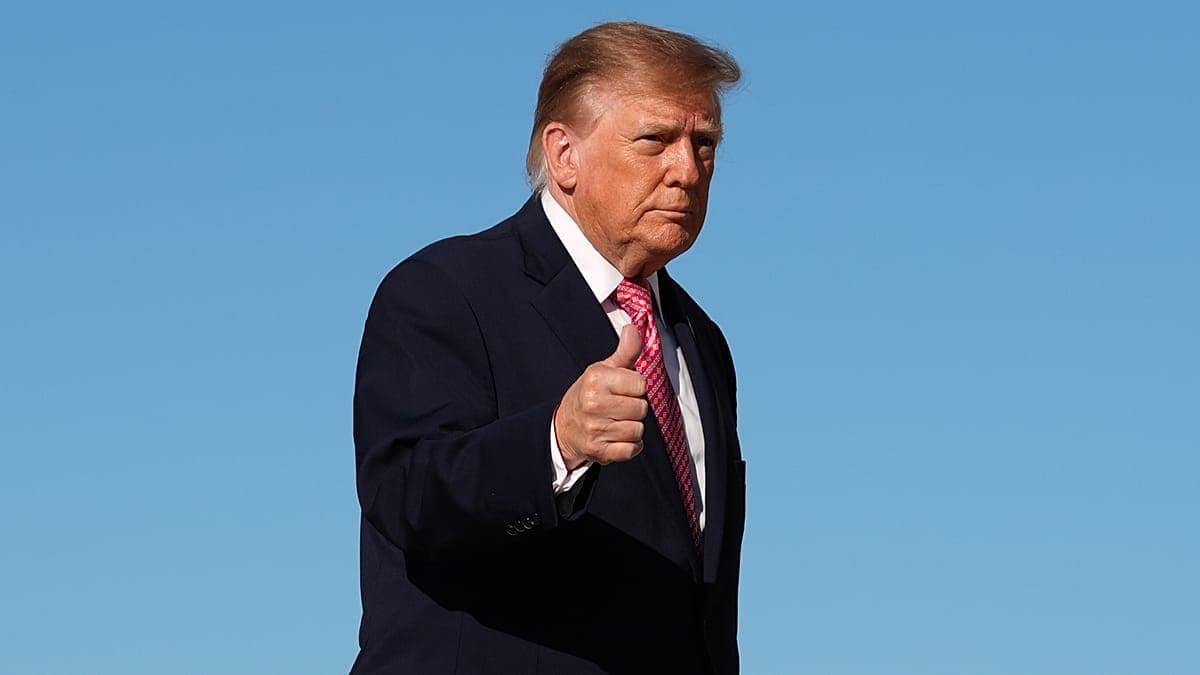 Politics
Trump signals openness to trilateral summit with Putin and Xi in China
 Politics
Trump Suspends Russian Sanctions to Facilitate Peace Negotiations in Ukraine Conflict
 Politics
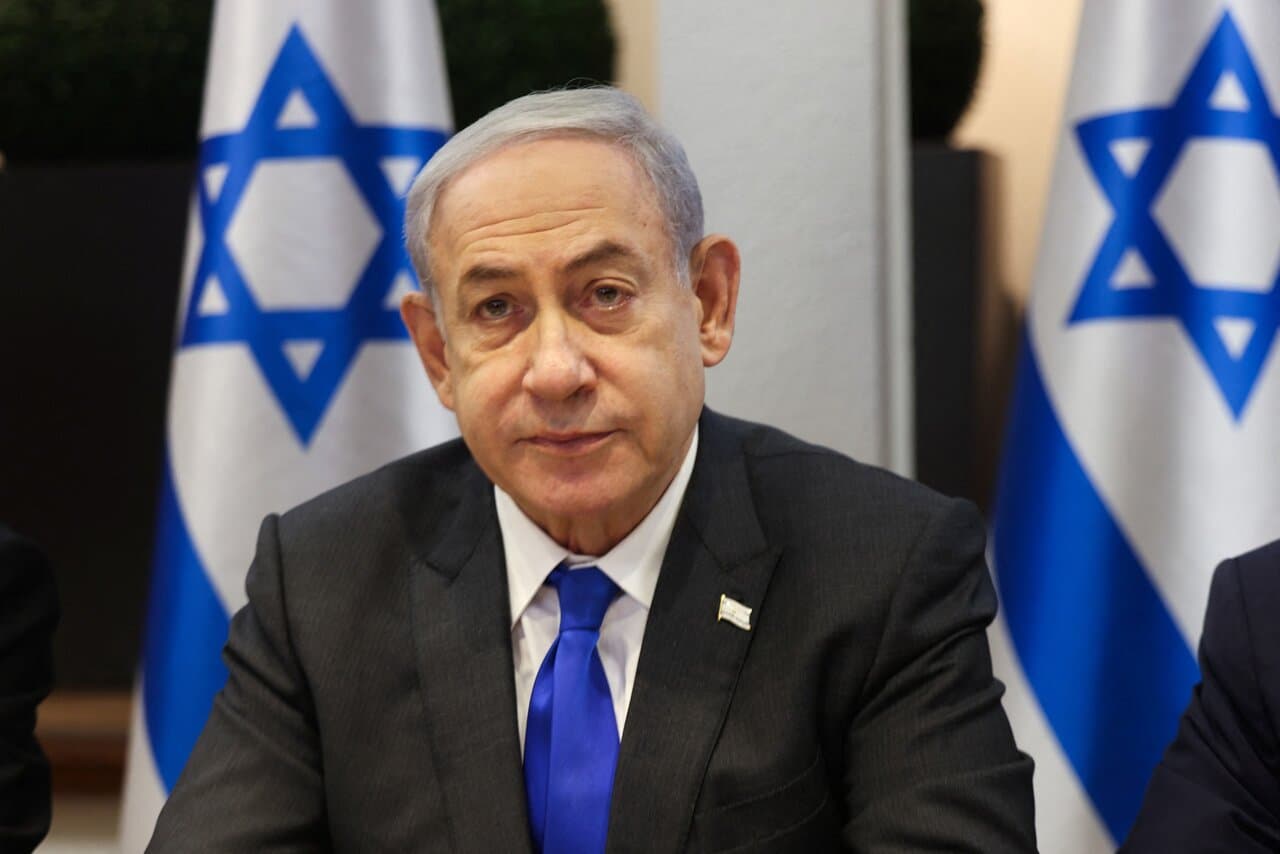
Netanyahu Outlines Strategic Objectives Amid Escalating Regional Tensions
Reader Discussion
Leave a Comment
0 Comments
Owner
Editorial Oversight & Machine-Assisted Reporting
Human-in-the-Loop VerifiedEditorial Oversight & Machine-Assisted Reporting: This dispatch was synthesized and localized via OPA automated intelligence under continuous human editorial supervision.
Wire Source
This report was synthesized from Khabar Online under journalistic fair use.