
Debate over political Islam and Ali Shariati reignites intellectual friction in Iran
Key Takeaways
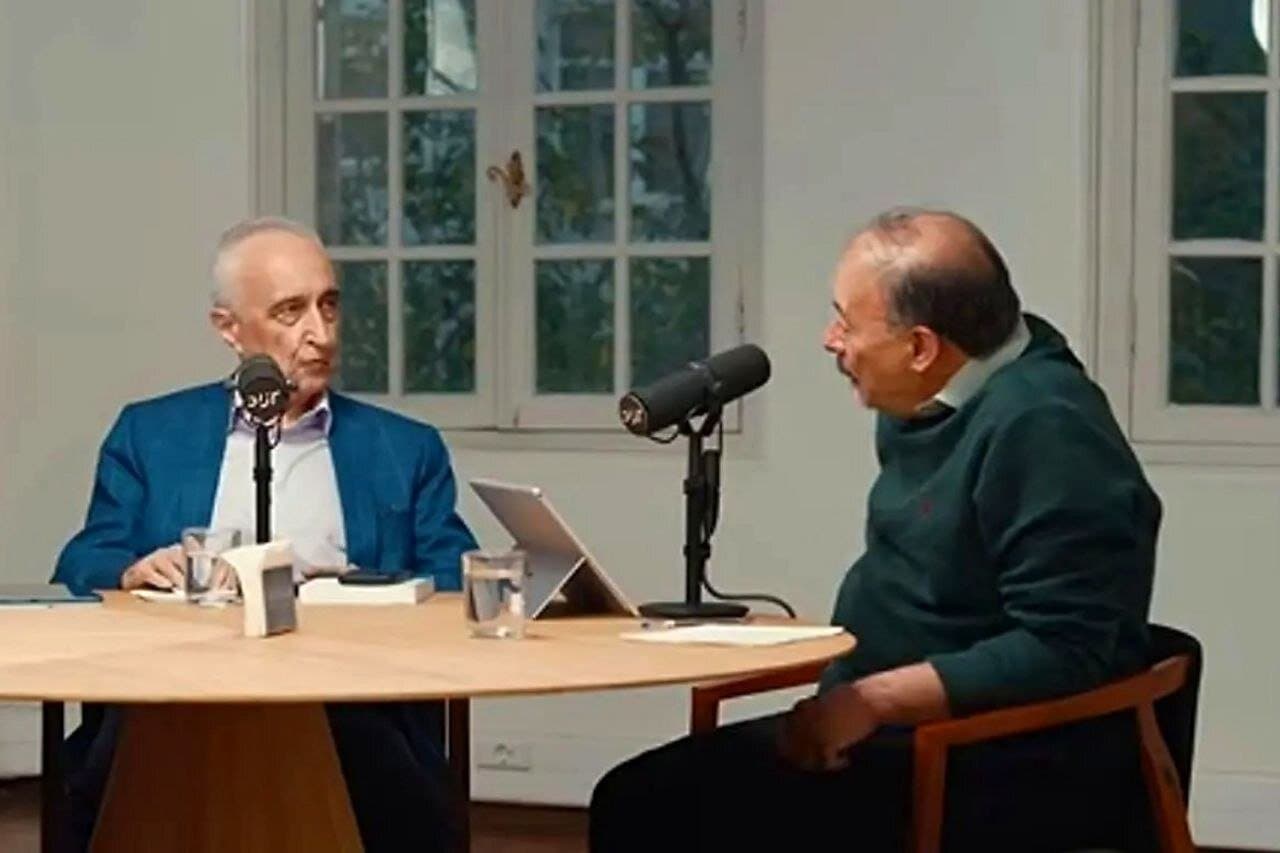
- Dialogue between Bijan Abdolkarimi and Mousa Ghaninejad reignited debates on religion and politics in Iran.
- Critics argue that political Islam and state-managed religion must be analytically separated.
- Methodological distinctions between theoretical principles and administrative execution remain central to the academic dispute.
TEHRAN, Nov 18 (OPA) — The discussion between Abdolkarimi and Ghaninejad brought center-stage core questions regarding the relationship between religion and politics, the role of ideology within religious thought, and the historical function of intellectuals in social transformations. Observers note that while ideological disagreements are expected, the analytical framework and conceptual boundaries applied by Ghaninejad require rigorous scrutiny.
At the heart of the critique is the distinction between political Islam and state-sponsored religion. Analysts argue that defining Islam as inherently political—given its historical involvement with social, legal, and governance frameworks from early Islamic history through various dynasties—does not equate to endorsing the instrumentalization of religious tenets to justify the performance of specific administrations.
Methodological flaws in evaluating complex socio-political systems have also been highlighted. Scholars point out a recurring confusion between the theoretical validity of an objective and the practical failures of its executors. Comparing political goals to a journey derailed by operational obstacles, critics stress that administrative shortcomings should not automatically invalidate underlying philosophical principles.
The debate further touches upon the use of ethical binaries, such as justice versus oppression, within the framework established by Shariati. Commentators argue that such moral dichotomies exist across broader religious and philosophical traditions, and cannot be dismissed simply as tools for social exclusion without evaluating the underlying values and historical contexts.
Looking ahead, this intellectual exchange is expected to stimulate further academic discourse among Iranian thinkers regarding the precise parameters of political theology, the separation of administrative performance from doctrinal validity, and the ongoing interpretation of Shariati's works in contemporary society.
Subscribe to the Global Briefing
Receive our flagship executive dispatch every morning. Essential geopolitical analysis, financial benchmarks, and breaking world events delivered to your inbox.
Mohammad Karamali
Verified Wire ContributorSenior correspondent covering geopolitics, regional developments, and strategic international affairs for OPA News (Optimum Public Affairs).
Related Stories & Follow-ups
Editorial Wire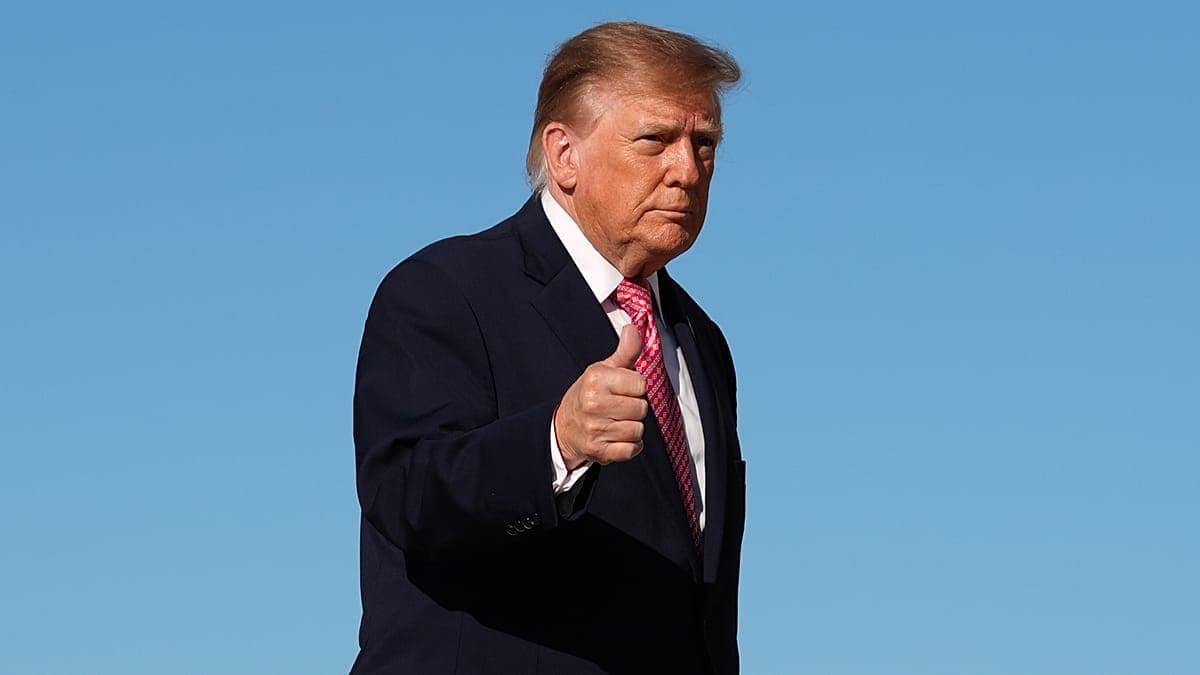 Politics
Trump signals openness to trilateral summit with Putin and Xi in China
 Politics
Trump Suspends Russian Sanctions to Facilitate Peace Negotiations in Ukraine Conflict
 Politics
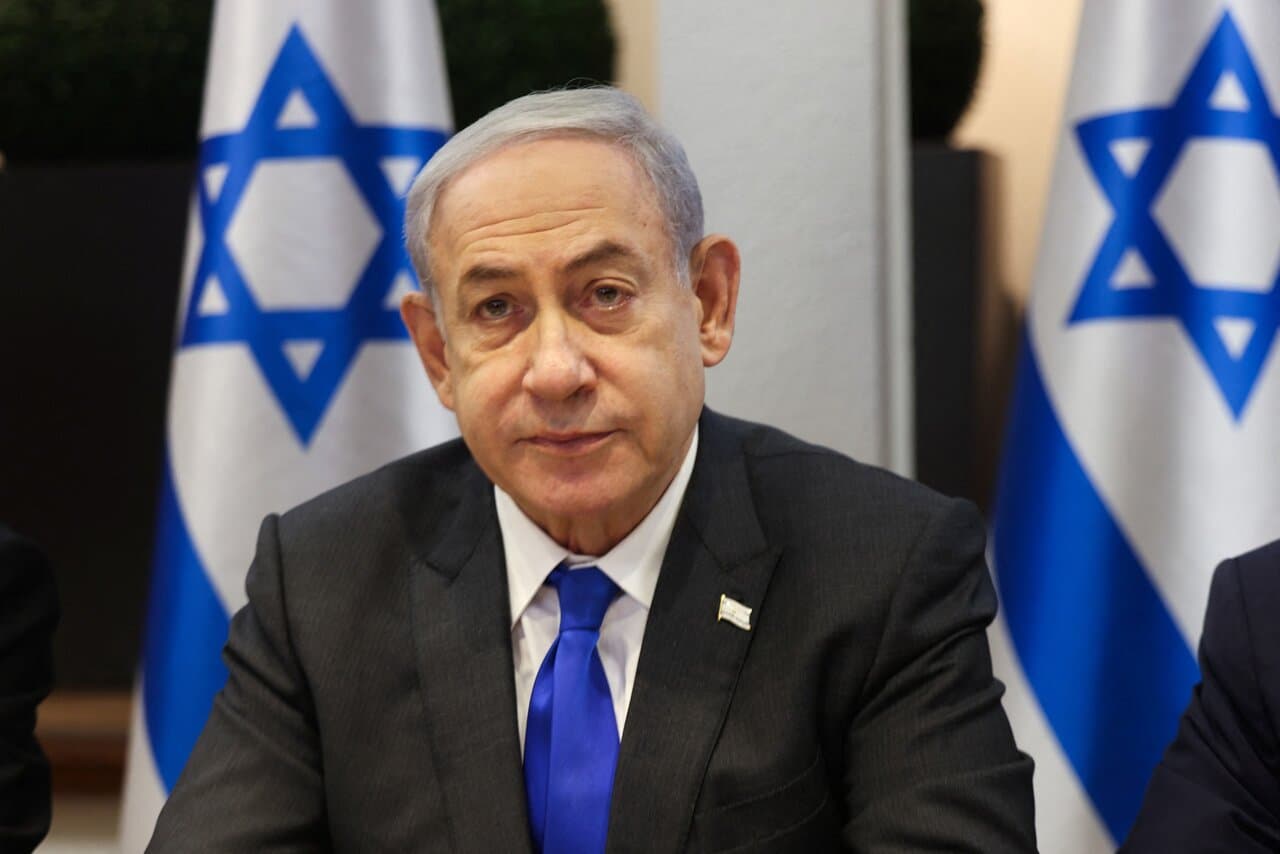
Netanyahu Outlines Strategic Objectives Amid Escalating Regional Tensions
Reader Discussion
Leave a Comment
0 Comments
Owner
Editorial Oversight & Machine-Assisted Reporting
Human-in-the-Loop VerifiedEditorial Oversight & Machine-Assisted Reporting: This dispatch was synthesized and localized via OPA automated intelligence under continuous human editorial supervision.
Wire Source
This report was synthesized from Mehr News under journalistic fair use.