
Nutritional Memory: How Larval Protein Intake Dictates Lifespan in Fruit Flies
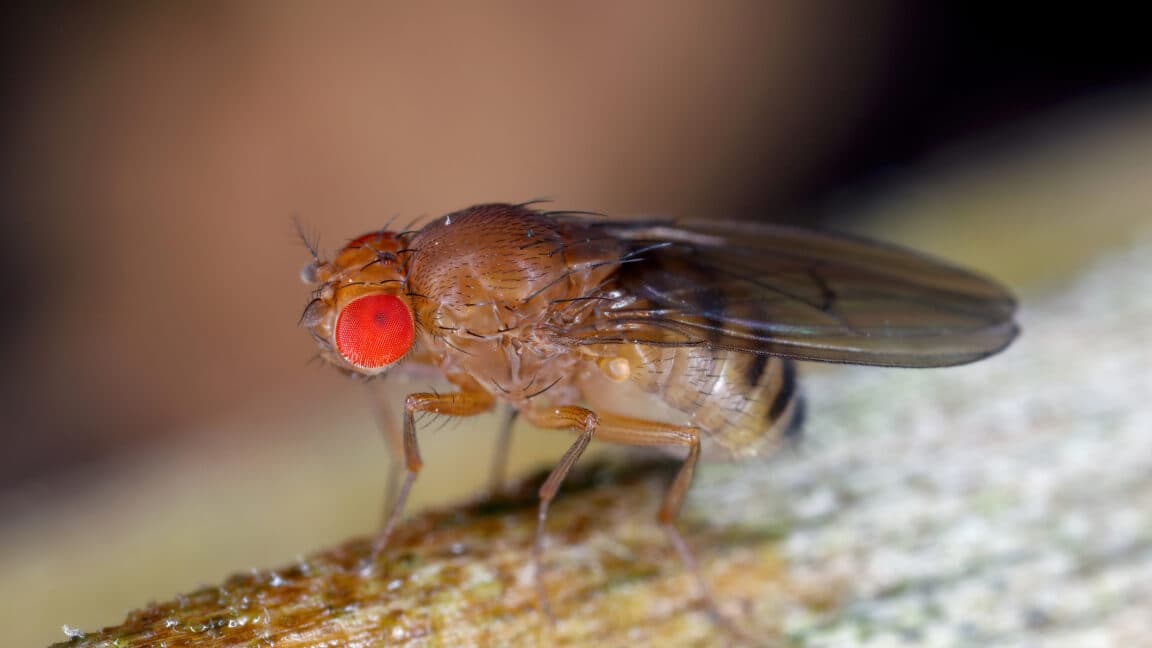
OPA WIRE, Sep 29 (OPA) — A groundbreaking study published in Nature has unveiled a biological mechanism that links early-life nutrition to adult longevity. Researchers at the RIKEN Center for Biosystems Dynamics Research, led by biologist Fumiaki Obata, discovered that fruit flies possess a form of 'nutritional memory' that tracks protein intake during the larval stage. By restricting yeast consumption—the primary protein source for larvae—scientists observed that these flies lived significantly longer than their well-fed counterparts, albeit at the cost of reduced body size and lower reproductive output.
The study utilized stable isotope labeling and mass spectrometry to track amino acids from infancy into adulthood. The data revealed that nearly 64 percent of proteins in the heads of three-day-old adult flies were derived from their larval diet. Specifically, the protein Lsp2 (larval serum protein 2) acts as a critical mediator. When larvae consume less protein, Lsp2 levels remain suppressed, which in turn limits the production of ribosomes in early adulthood. This reduction in protein synthesis machinery appears to be the key driver behind the observed lifespan extension.
Historically, the link between restricted diets and longevity has been observed since the 1930s in various species, including water fleas, rats, and mice. However, the specific molecular pathway remained elusive. Obata’s team successfully reconstructed the chain of events: low larval protein intake leads to diminished Lsp2, which results in fewer ribosomes and slower protein production, ultimately enhancing proteostasis—the cell's ability to maintain protein quality—and extending the organism's life.
The ramifications of these findings are profound for the field of gerontology. While the trade-off between reproduction and lifespan is a well-documented evolutionary strategy, this study provides a concrete molecular basis for how early-life environmental factors leave a lasting imprint on adult physiology. It suggests that the 'memory' of early nutrition is not merely a transient state but a structural adjustment in cellular machinery that dictates the pace of aging.
Looking ahead, the research team is cautious about extrapolating these results to humans. While Lsp2 has functional counterparts in human blood proteins like albumin and globulins, the specific amino acids and regulatory mechanisms may differ significantly. Future studies in mice and primates will be essential to determine if a similar 'nutritional memory' exists in mammals. If confirmed, this could open new avenues for understanding how early-life dietary interventions might influence long-term health and longevity in humans.
Subscribe to the Global Briefing
Receive our flagship executive dispatch every morning. Essential geopolitical analysis, financial benchmarks, and breaking world events delivered to your inbox.
Mohammad Karamali
Verified Wire ContributorSenior correspondent covering geopolitics, regional developments, and strategic international affairs for OPA News (Optimum Public Affairs).
Related Stories & Follow-ups
Editorial Wire


Reader Discussion
Leave a Comment
0 Comments
Owner
Editorial Oversight & Machine-Assisted Reporting
Human-in-the-Loop VerifiedEditorial Oversight & Machine-Assisted Reporting: This dispatch was synthesized and localized via OPA automated intelligence under continuous human editorial supervision.
Wire Source
This report was synthesized from Ars Technica under journalistic fair use.