
OpenAI Stirs Backlash Over Massive Dumps of AI-Generated Mathematical Solutions

Key Takeaways
- OpenAI plans to release solutions to over 100 open mathematical problems on GitHub, bypassing traditional academic peer-review formats.
- Academic researchers accuse AI firms of rushing disclosures to bolster corporate prestige ahead of prospective initial public offerings.
- Prominent mathematicians claim OpenAI disregarded community protocols and pressured researchers during disputes over problem attribution.
Tensions between OpenAI and the academic mathematics community have escalated following reports that the artificial intelligence firm intends to dump hundreds of solutions to long-standing math problems directly onto GitHub. The impending release represents the latest in tens of thousands of machine-generated mathematical solutions produced this year, provoking intense criticism from researchers who argue that the company is disregarding established scientific review and attribution standards in a frantic bid to outmaneuver rivals.
OpenAI spokesperson Lindsay McCallum confirmed that an internal model trained since late August resolved "more than 100 long-standing open problems across most areas of mathematics," along with claims surrounding the Millennium Prize Navier–Stokes existence and smoothness problem. However, academics who attended an August consultation urged the company against publishing raw findings without thorough research papers. "Math by tweet and math by press release to me is not the way to nurture the ecosystem," stated Northwestern University mathematician Bryna Kra, asserting that community feedback was completely ignored.
Frictions intensified following accusations from New York University professor Tristan Buckmaster, who alleged that OpenAI front-ran his private collaboration on a Millennium Prize problem and pressured him during authorship negotiations. Meeting notes obtained by WIRED cited OpenAI researcher Sébastien Bubeck expressing fears that Anthropic could solve the challenge first, warning Buckmaster against going to the press. Nestor Guillen, a visiting math professor at NYU, observed that colleagues harbor deep anxiety over "mobster behavior" and the unprecedented concentration of power within commercial AI labs preparing for major public offerings.
Despite establishing an advisory panel at the Institute for Advanced Study to guide responsible dissemination, OpenAI has resisted utilizing community platforms like the Hexagon and Palomar registries. With over 4,000 scholars endorsing the Leiden Declaration demanding ethical standards for artificial intelligence in mathematics, researchers worry that commercial labs view traditional scholarship as obsolete. Although OpenAI maintains that it seeks collaborative engagement, academic mathematicians warn that bypassing rigorous peer review risks destabilizing foundational research integrity.
Subscribe to the Global Briefing
Receive our flagship executive dispatch every morning. Essential geopolitical analysis, financial benchmarks, and breaking world events delivered to your inbox.
Related Stories & Follow-ups
Editorial Wire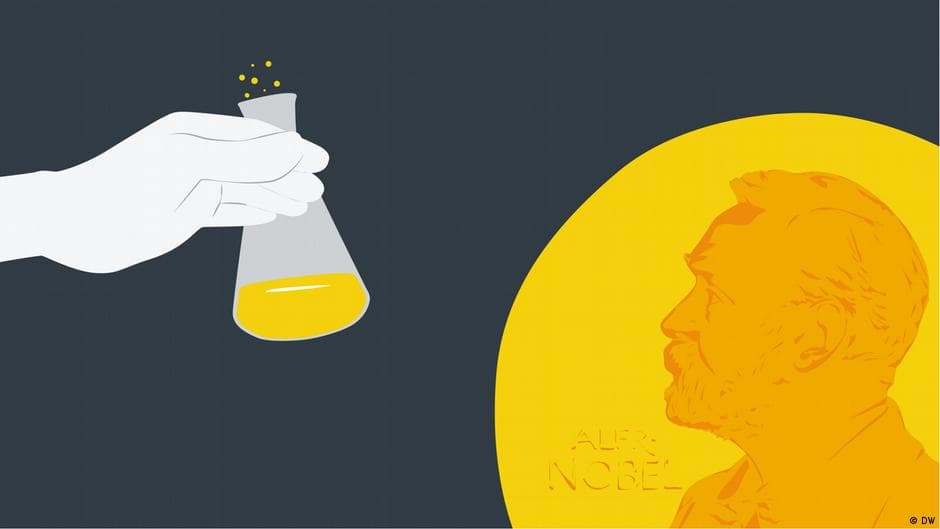 Science
Nobel Prize in Chemistry Awarded to Henri B. Kagan and Kenso Soai
 Science
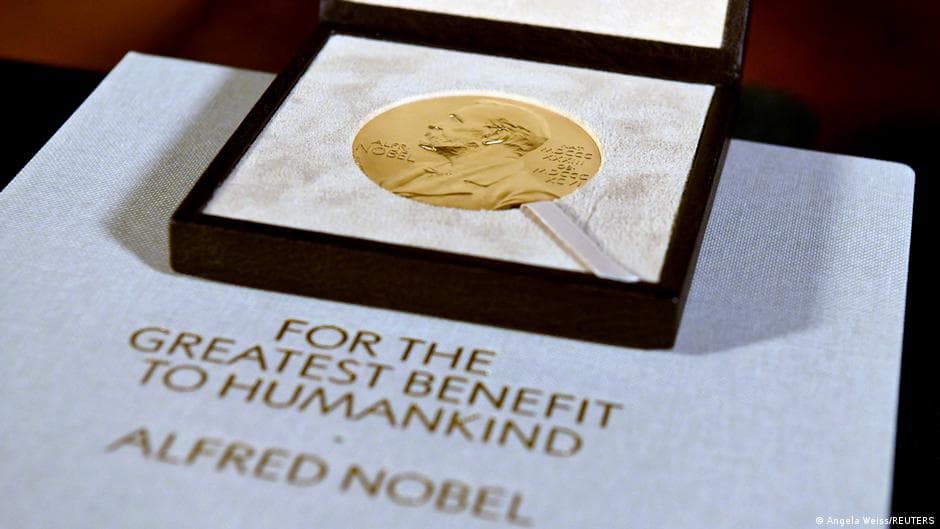
Nobel Physics Prize Awarded to Francis Halzen for Astrophysical Neutrino Breakthrough
 Science
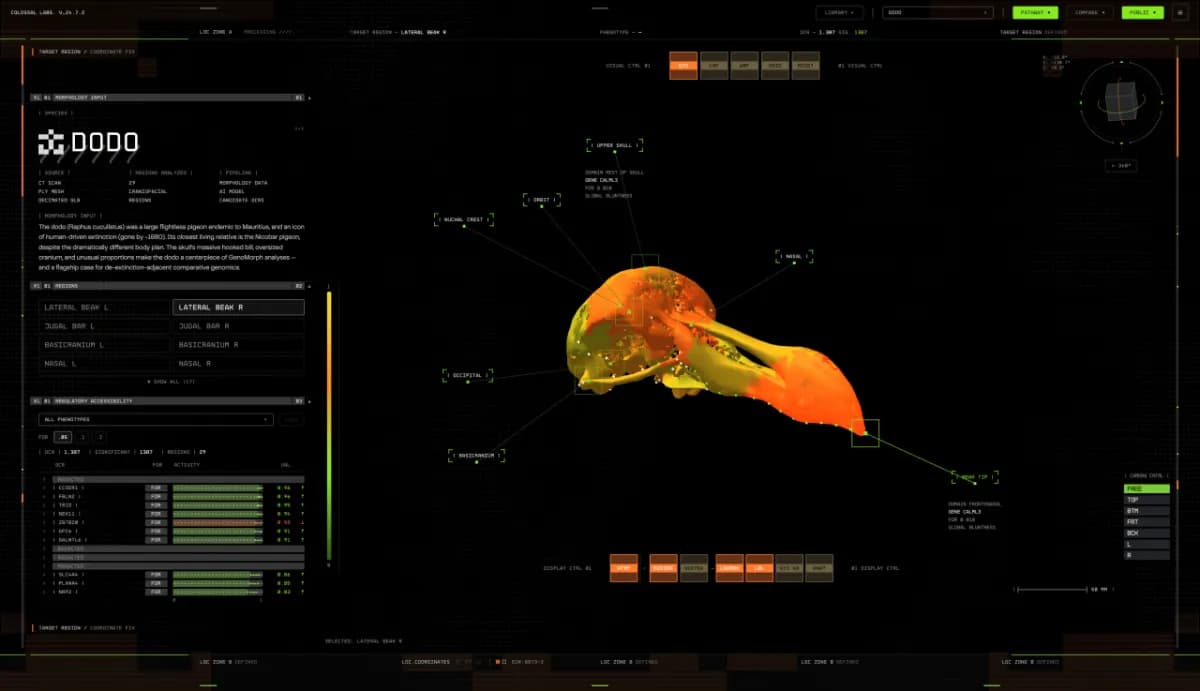
Colossal Biosciences Unveils AI Platform GenoMorph to Accelerate Dodo De-Extinction Efforts
Reader Discussion
Leave a Comment
0 Comments
Owner
Editorial Oversight & Machine-Assisted Reporting
Human-in-the-Loop VerifiedEditorial Oversight & Machine-Assisted Reporting: This dispatch was synthesized and localized via OPA automated intelligence under continuous human editorial supervision.
Wire Source
This report was synthesized from Wired under journalistic fair use.