
North-Central Iran Faces Critical Earthquake Threat Threatening Millions, Seismologist Warns
Key Takeaways
- A 10-year probability of up to 40% exists for an earthquake exceeding magnitude 6.0 in north-central Iran.
- Overdue fault segments near Tehran and Karaj carry a 4.5% chance of triggering a magnitude 7.0+ disaster within a decade.
- A major seismic event along the critical urban corridor could leave up to 3 million people homeless.
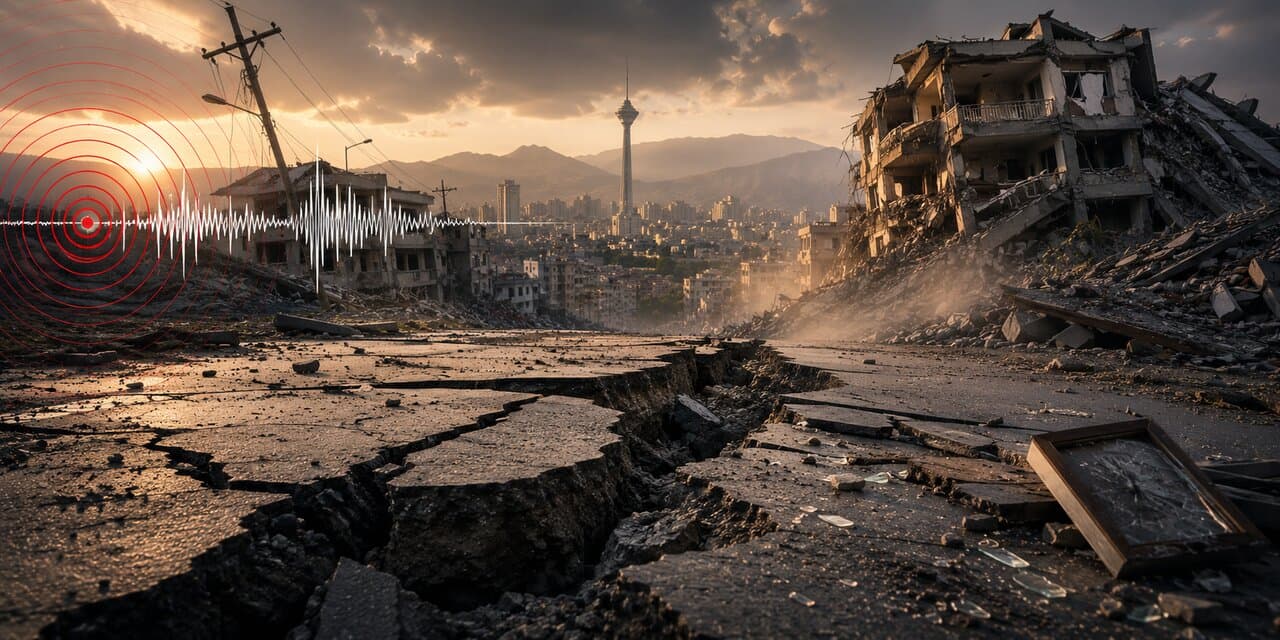
North-central Iran faces a critical seismic hazard, with major fault lines nearing dangerous rupture thresholds and placing tens of millions of people at severe risk. Speaking to Khabar Online, Dr. Mehdi Zare, a professor at the International Institute of Earthquake Engineering and Seismology, issued a stark warning regarding the heightened probability of significant earthquakes across the densely populated Tehran-Karaj urban corridor over the coming decade.
According to quantitative seismic analyses synthesizing two millennia of historical records and 22 years of instrument data, the 10-year probability of an earthquake exceeding magnitude 6.0 stands at 26 percent, potentially rising to 40 percent when factoring in critical fault stress states. For temblors exceeding magnitude 7.0 along overdue rupture segments, the decade-long probability reaches 4.5 percent. “When individual fault segments approach a critical stress stage, standard hazard models systematically underestimate the immediate threat,” Zare noted, highlighting the acute vulnerability of metropolitan infrastructure.
The high-risk zone stretches from the southern Caspian shores across the Alborz mountain range to the northern margins of the Central Iranian Plateau. This area encompasses roughly 28.5 million residents—nearly 35 percent of Iran's total population—including major urban hubs like Tehran, Karaj, Qom, and Qazvin. The continuous urban belt of Tehran and Karaj alone houses approximately 17 million people directly atop or adjacent to active thrust and strike-slip fault networks, including the North Tehran, Mosha, Rey, and Niavaran faults.
Seismologists warn that the convergence of dense populations, high economic concentration, and extensive dilapidated urban housing could result in catastrophic consequences, potentially displacing 1.5 to 3 million residents in the event of a major rupture. Experts emphasize that mitigating this crisis requires urgent structural retrofitting, strict adherence to national seismic building codes such as Iran Standard 2800, and enhanced continuous geodetic and micro-seismic monitoring.
Subscribe to the Global Briefing
Receive our flagship executive dispatch every morning. Essential geopolitical analysis, financial benchmarks, and breaking world events delivered to your inbox.
Related Stories & Follow-ups
Editorial Wire Science
Nobel Prize in Chemistry Awarded to Henri B. Kagan and Kenso Soai
 Science
Nobel Physics Prize Awarded to Francis Halzen for Astrophysical Neutrino Breakthrough
 Science
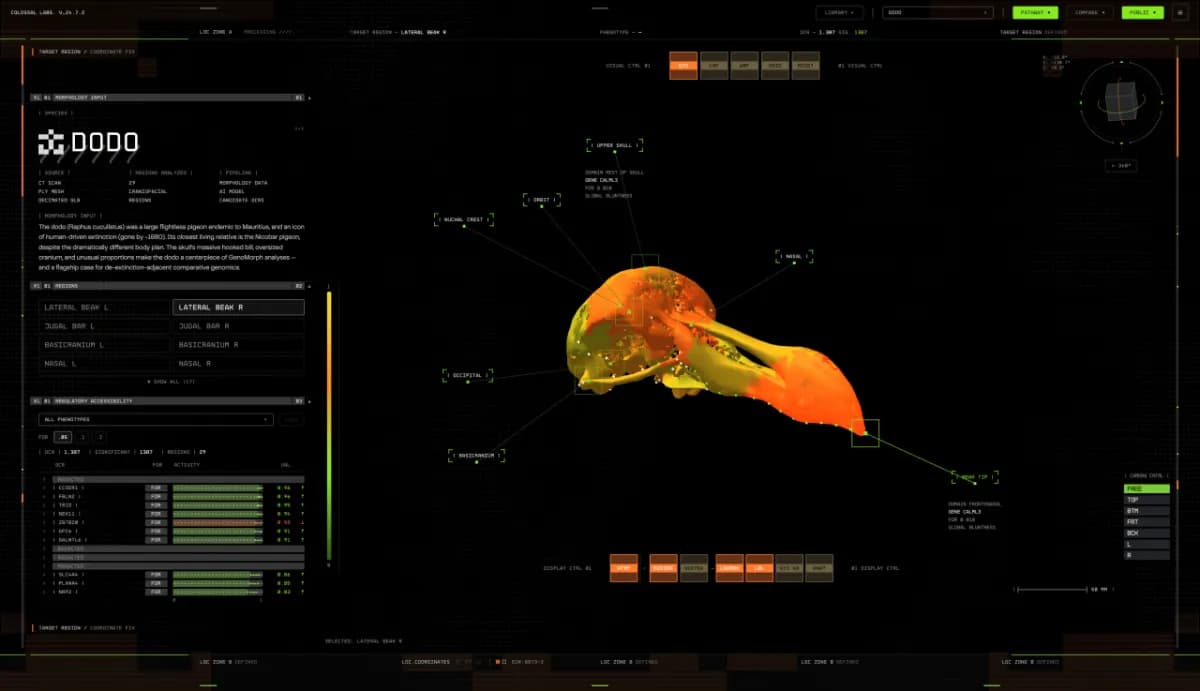
Colossal Biosciences Unveils AI Platform GenoMorph to Accelerate Dodo De-Extinction Efforts
Reader Discussion
Leave a Comment
0 Comments
Owner
Editorial Oversight & Machine-Assisted Reporting
Human-in-the-Loop VerifiedEditorial Oversight & Machine-Assisted Reporting: This dispatch was synthesized and localized via OPA automated intelligence under continuous human editorial supervision.
Wire Source
This report was synthesized from Khabar Online under journalistic fair use.