
Graphene Technology Enables Real-Time Detection of Brain Damage Following Stroke
Key Takeaways
- High-sensitivity graphene sensors detected slow-moving cortical depolarisation waves that aggravate brain damage after a stroke.
- The monitoring system successfully differentiated healthy tissue from regions at immediate risk of further injury.
- Preclinical tests showed low-dose ketamine reduced electrical wave duration and curtailed tissue damage.
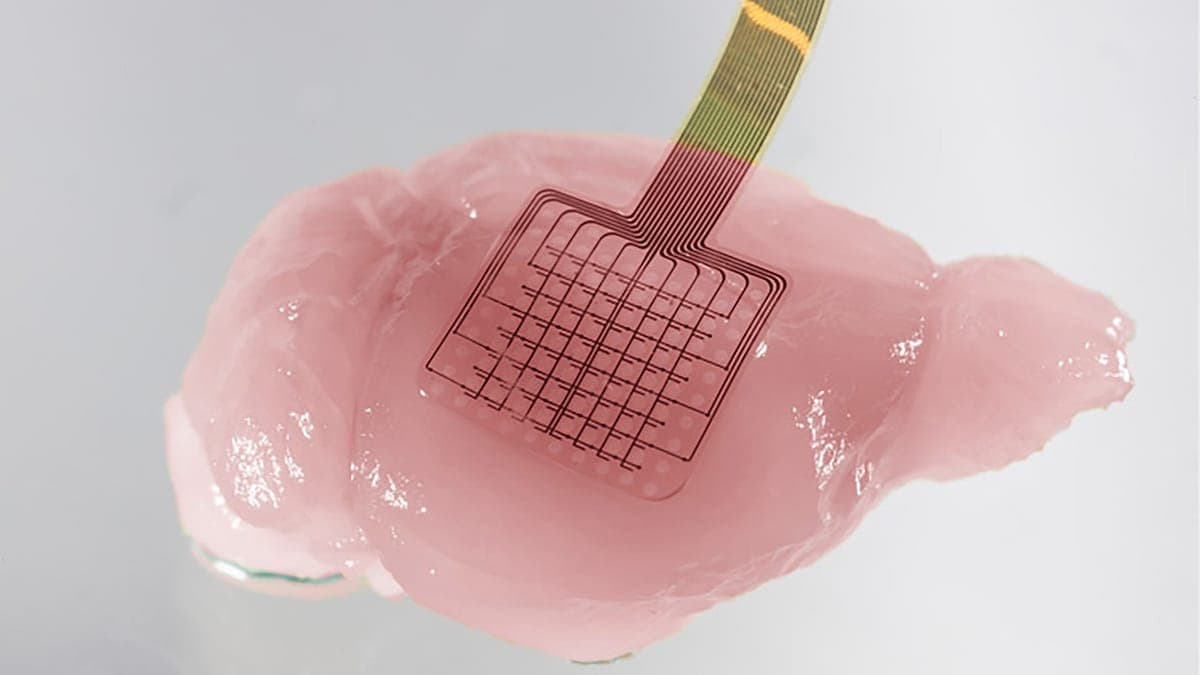
OPA WIRE, Oct 9 (OPA) — An international team of researchers has developed a novel graphene-based sensor technology capable of monitoring brain activity and pinpointing areas most vulnerable to secondary injury following an ischaemic stroke. Published in the journal Brain, the preclinical study demonstrated on animal models that high-sensitivity graphene devices can capture ultra-slow electrical waves—known as spreading cortical depolarisations—that traditional monitoring tools typically fail to detect, offering a new pathway toward targeted neuroprotective interventions.
During an ischaemic stroke, interrupted blood flow triggers destructive electrical waves that propagate across neural tissue. The graphene sensors allowed researchers to differentiate between healthy, vulnerable, and irreversibly damaged brain tissue by recording these signals in unprecedented detail. Crucially, the technology revealed that a low dose of ketamine effectively shortened the duration of these harmful electrical disruptions, stabilized local blood flow, and limited the total extent of brain damage in mice, indicating possible therapeutic utility.
The project stems from a long-standing collaborative effort involving Spain's National Research Council (CSIC), the Catalan Institute of Nanoscience and Nanotechnology (ICN2), the University of Manchester, and Germany's Multi Channel Systems. Anton Guimerà-Brunet, a CSIC researcher at the Institute of Microelectronics of Barcelona, noted that his team has been refining the technology since initial results in 2018 to standardize its application for complex preclinical research into low-frequency brain signals.
While the graphene system remains at the preclinical stage, researchers project that clinical translation could eventually allow real-time bedside monitoring of acute stroke patients. University of Manchester researcher Rob Wykes highlighted that the innovation not only improves measurement precision but also illuminates how lesions expand. If validated in human trials, the platform could help clinicians optimize emergency interventions and prevent progressive disability following cerebrovascular events.
Subscribe to the Global Briefing
Receive our flagship executive dispatch every morning. Essential geopolitical analysis, financial benchmarks, and breaking world events delivered to your inbox.
Mohammad Karamali
Verified Wire ContributorSenior correspondent covering geopolitics, regional developments, and strategic international affairs for OPA News (Optimum Public Affairs).
Related Stories & Follow-ups
Editorial Wire


Reader Discussion
Leave a Comment
0 Comments
Owner
Editorial Oversight & Machine-Assisted Reporting
Human-in-the-Loop VerifiedEditorial Oversight & Machine-Assisted Reporting: This dispatch was synthesized and localized via OPA automated intelligence under continuous human editorial supervision.
Wire Source
This report was synthesized from Euro News under journalistic fair use.