
The High Cost of Whistleblowing in Academic Research Environments

Key Takeaways
- Whistleblowers in academia often face retaliation, including job loss and reputational damage.
- Institutional hierarchies frequently prioritize reputation over the investigation of misconduct.
- Structural reforms, such as independent oversight, are necessary to encourage ethical reporting.
TEHRAN, Oct 15 (OPA) — Reporting academic misconduct—ranging from data fabrication to workplace bullying—is essential for maintaining the integrity and ethical standards of scientific research. However, a growing concern persists regarding whether academic institutions provide adequate protection for those who choose to speak out against systemic malpractice. Whistleblowers often find themselves in a precarious position, where their commitment to truth is met with institutional resistance rather than support.
Data suggests that individuals who report research misconduct frequently face severe professional repercussions, including the loss of employment and the erosion of their academic reputation. In many instances, the burden of proof falls heavily on the whistleblower, who must navigate complex institutional hierarchies that may prioritize the reputation of the university or senior faculty over the pursuit of transparency. The psychological and financial toll on these individuals is significant, often leading to long-term career setbacks.
Historically, the academic community has struggled to implement robust mechanisms that shield whistleblowers from retaliation. While many universities have established formal reporting channels, the efficacy of these systems remains under scrutiny. Critics argue that without independent oversight and strict legal protections, the fear of professional suicide will continue to discourage researchers from exposing fraudulent activities, thereby undermining the credibility of global scientific output.
Looking ahead, the scientific community faces an urgent need for structural reform to foster a culture of accountability. Experts suggest that establishing international standards for whistleblower protection, coupled with independent ombudsman offices, could mitigate the risks faced by those reporting misconduct. Ensuring that truth-tellers are protected is not merely a matter of individual justice but a fundamental requirement for preserving the public trust and the long-term health of the global research enterprise.
Subscribe to the Global Briefing
Receive our flagship executive dispatch every morning. Essential geopolitical analysis, financial benchmarks, and breaking world events delivered to your inbox.
Mohammad Karamali
Verified Wire ContributorSenior correspondent covering geopolitics, regional developments, and strategic international affairs for OPA News (Optimum Public Affairs).
Related Stories & Follow-ups
Editorial Wire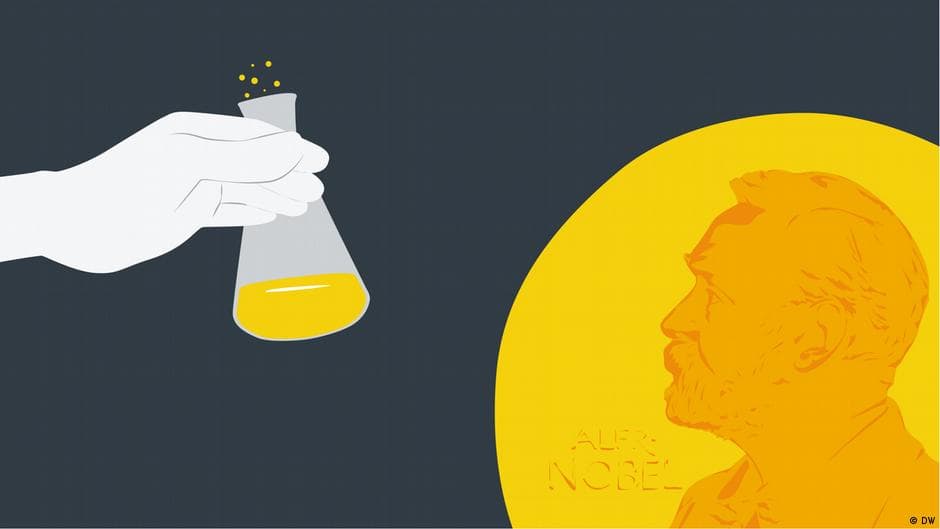 Science
Nobel Prize in Chemistry Awarded to Henri B. Kagan and Kenso Soai
 Science
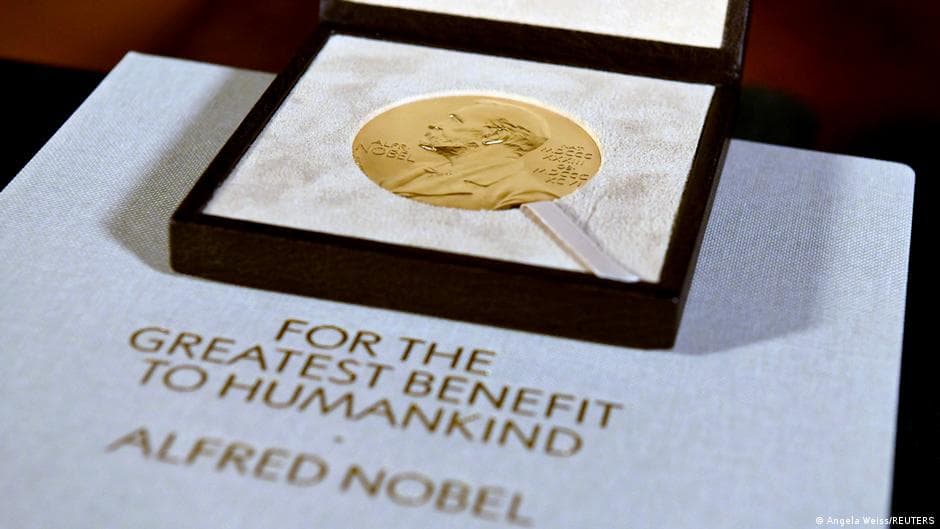
Nobel Physics Prize Awarded to Francis Halzen for Astrophysical Neutrino Breakthrough
 Science
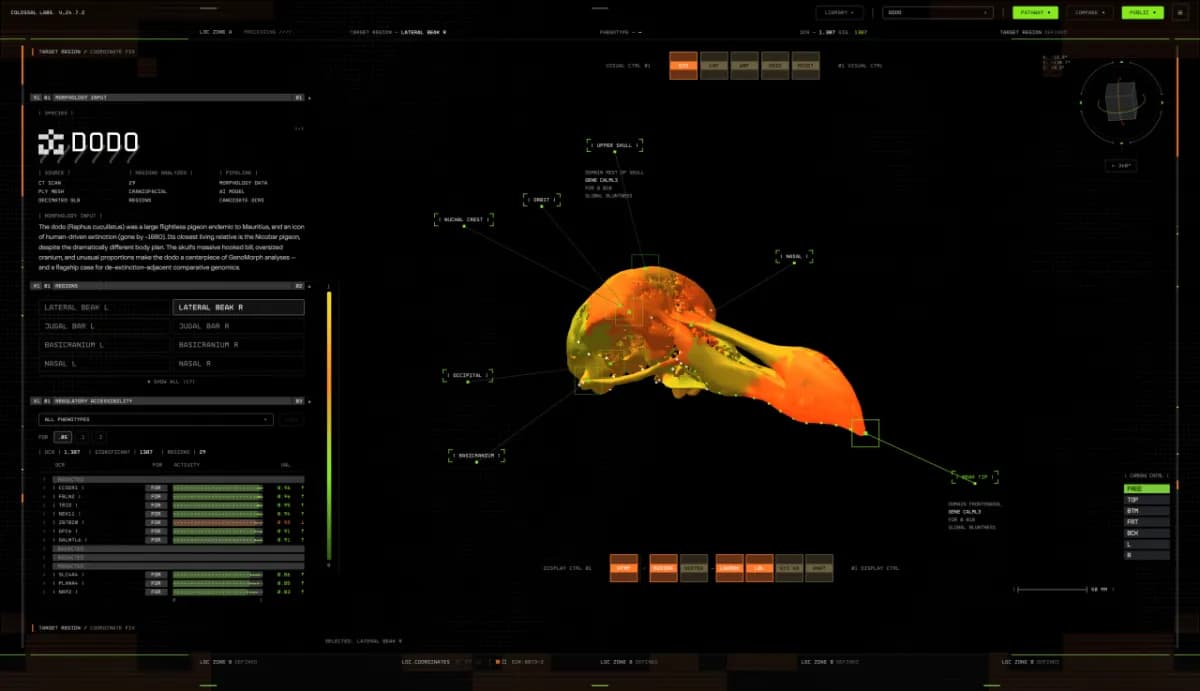
Colossal Biosciences Unveils AI Platform GenoMorph to Accelerate Dodo De-Extinction Efforts
Reader Discussion
Leave a Comment
0 Comments
Owner
Editorial Oversight & Machine-Assisted Reporting
Human-in-the-Loop VerifiedEditorial Oversight & Machine-Assisted Reporting: This dispatch was synthesized and localized via OPA automated intelligence under continuous human editorial supervision.
Wire Source
This report was synthesized from ISNA under journalistic fair use.