
Researchers Launch New Expedition to Locate Amelia Earhart’s Missing Lockheed Electra
Key Takeaways
- Researchers are investigating the 'Taraia Object' near Nikumaroro, Kiribati.
- The mission aims to locate the Lockheed Electra 10-E flown by Amelia Earhart in 1937.
- The team plans to use hydraulic dredging to clear sediment and confirm the presence of wreckage.
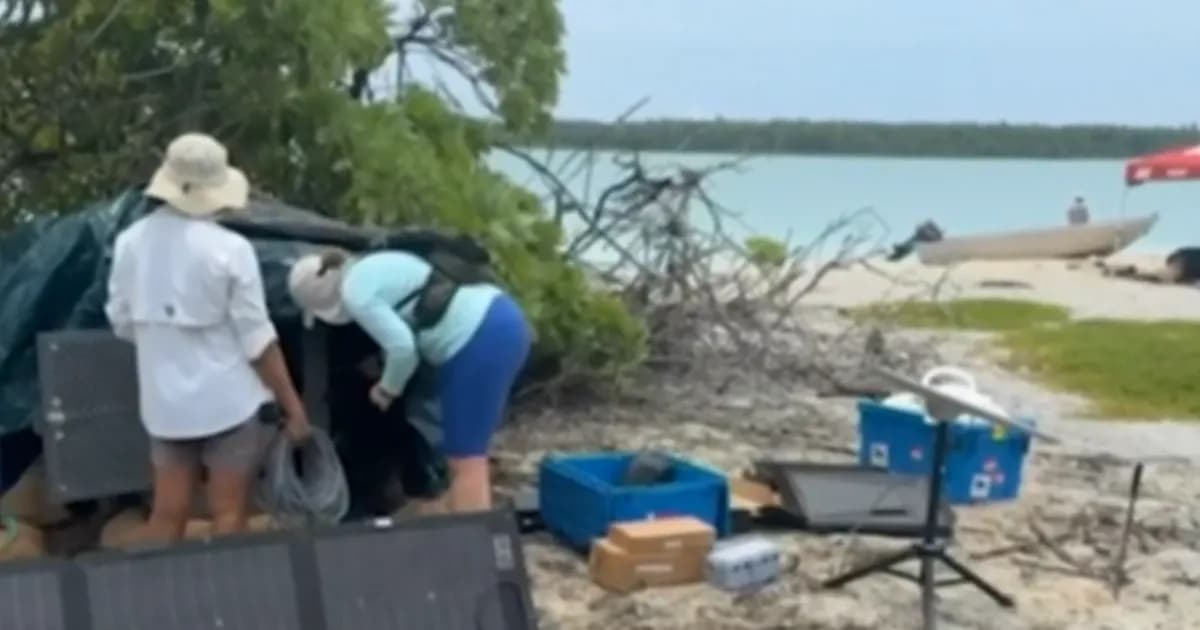
A 17-member research team led by Purdue University’s Steve Schultz and the Archaeological Legacy Institute’s Richard Pettigrew has commenced a high-stakes expedition near the remote South Pacific island of Nikumaroro. The team is currently investigating a specific underwater anomaly known as the 'Taraia Object,' which was first identified in satellite imagery in 2020 and appears in aerial photographs dating back to 1938. This mission marks a significant attempt to solve one of the 20th century's most enduring aviation mysteries.
The search area is exceptionally isolated, requiring the team to travel five days by sea to reach the lagoon off the coast of Kiribati. Richard Pettigrew emphasized the novelty of their approach, stating, 'We're the only people who have put together a plan to do something like that.' The researchers are currently in a data-gathering phase, utilizing advanced imaging to inspect the seafloor. According to the team, they expect to determine within days whether the site contains the remains of the Lockheed Electra 10-E.
Amelia Earhart and her navigator, Fred Noonan, disappeared on July 2, 1937, during their historic attempt to circumnavigate the globe along the equator. The pair vanished approximately 22,000 miles into their journey, with Nikumaroro located roughly 400 miles southeast of their intended destination, Howland Island. For decades, the disappearance has fueled intense speculation and numerous failed search efforts, cementing its status as a global historical enigma.
Looking ahead, the expedition team plans to transition from visual analysis to physical excavation. Pettigrew confirmed that the next phase involves using a hydraulic dredge to remove sediment from the lagoon floor to uncover potential artifacts. While the team remains cautious, the deployment of specialized equipment suggests a high degree of confidence in the site's potential. If successful, this mission could finally provide definitive answers regarding the final moments of Earhart’s ill-fated flight.
Related Stories


Reader Discussion
Leave a Comment
0 Comments
Owner
Editorial Oversight & Machine-Assisted Reporting
Human-in-the-Loop VerifiedEditorial Oversight & Machine-Assisted Reporting: This dispatch was synthesized and localized via OPA automated intelligence under continuous human editorial supervision.
Wire Source
This report was synthesized from CBS under journalistic fair use.