
NASA Releases Sonification of the Eagle Nebula’s Pillars of Creation
Key Takeaways
- NASA released a sonification of the Eagle Nebula’s Pillars of Creation.
- The region is located 6,500 light-years away and is a site of active star formation.
- Data sonification translates light and infrared data into sound to make space exploration more accessible.
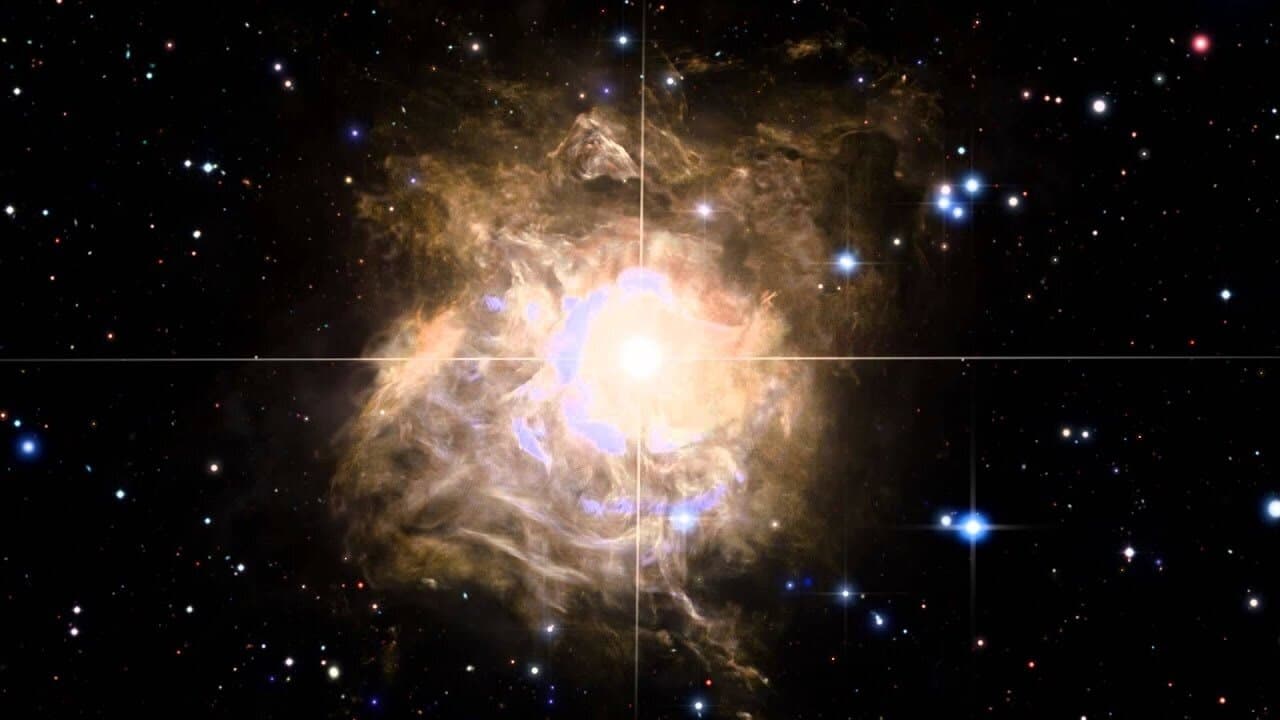
TEHRAN, Oct 18 (OPA) — NASA has unveiled a captivating new audio-visual project that allows the public to experience the 'sound' of the cosmos. By utilizing data sonification, the space agency has transformed the visual information captured by the James Webb Space Telescope into an auditory experience, focusing on the iconic Pillars of Creation located within the Eagle Nebula. This project bridges the gap between complex astronomical data and human sensory perception, offering a unique way to engage with deep space phenomena.
The Pillars of Creation, situated approximately 6,500 light-years from Earth, are vast clouds of interstellar gas and dust that serve as active nurseries for new stars. NASA’s sonification process assigns specific frequencies and pitches to different elements within the nebula, mapping the density of the gas and the intensity of stellar radiation into a cohesive soundscape. While space is a vacuum and does not carry sound in the traditional sense, this data-driven translation provides a hauntingly beautiful representation of the energetic processes occurring in one of the universe's most famous star-forming regions.
This initiative is part of a broader effort by NASA to make space exploration more accessible and inclusive. By converting light and infrared data into sound, researchers are providing new tools for the visually impaired to explore the universe, while simultaneously offering a fresh perspective for all space enthusiasts. The Pillars of Creation have been a focal point of astronomical study since they were first famously captured by the Hubble Space Telescope in 1995, and this new auditory layer adds significant depth to our understanding of their structure.
Looking ahead, NASA plans to continue its sonification program, applying these techniques to other celestial objects captured by its fleet of space telescopes. As technology advances, the ability to interpret and translate cosmic data will likely become a standard component of public outreach and scientific analysis. These projects not only enhance our appreciation of the vastness of the universe but also highlight the intricate, rhythmic nature of the physical processes that govern the lifecycle of stars and galaxies across the cosmos.
Subscribe to the Global Briefing
Receive our flagship executive dispatch every morning. Essential geopolitical analysis, financial benchmarks, and breaking world events delivered to your inbox.
Mohammad Karamali
Verified Wire ContributorSenior correspondent covering geopolitics, regional developments, and strategic international affairs for OPA News (Optimum Public Affairs).
Related Stories & Follow-ups
Editorial Wire Science
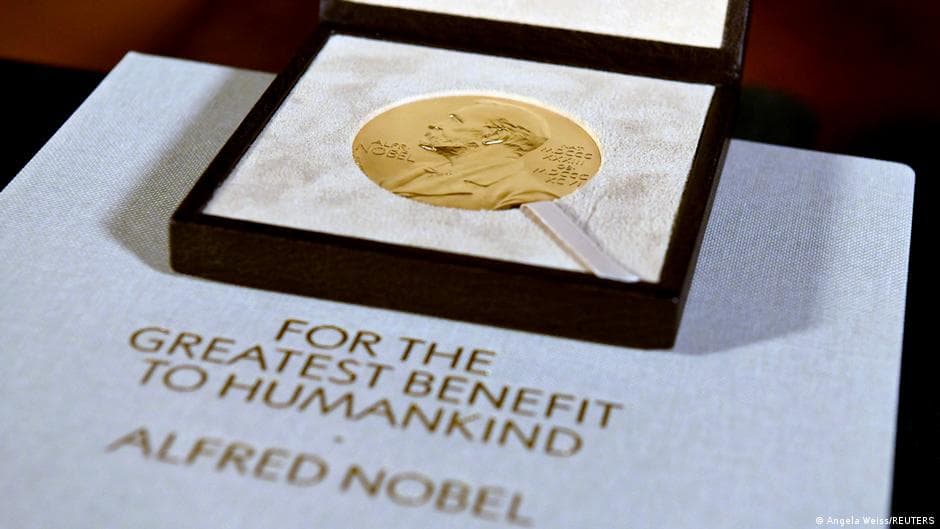
Nobel Prize in Chemistry Awarded to Henri B. Kagan and Kenso Soai
 Science
Nobel Physics Prize Awarded to Francis Halzen for Astrophysical Neutrino Breakthrough
 Science
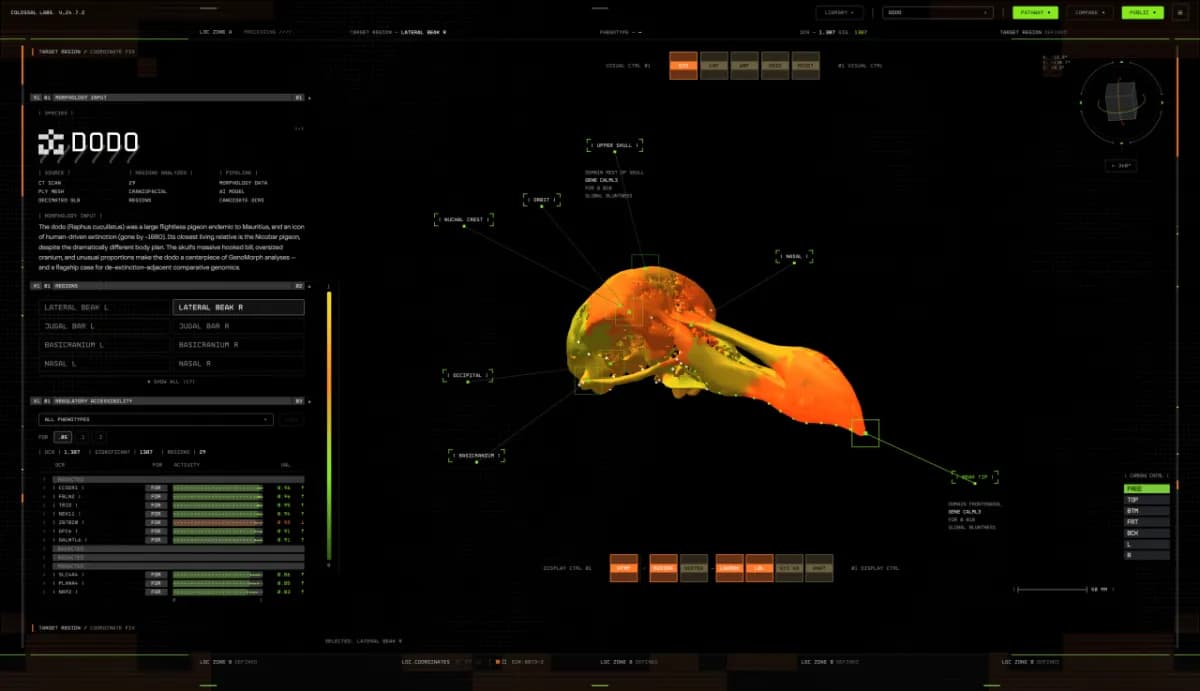
Colossal Biosciences Unveils AI Platform GenoMorph to Accelerate Dodo De-Extinction Efforts
Reader Discussion
Leave a Comment
0 Comments
Owner
Editorial Oversight & Machine-Assisted Reporting
Human-in-the-Loop VerifiedEditorial Oversight & Machine-Assisted Reporting: This dispatch was synthesized and localized via OPA automated intelligence under continuous human editorial supervision.
Wire Source
This report was synthesized from Khabar Online under journalistic fair use.