
Japan’s MMX Mission Aims to Return First Samples from Martian Moon Phobos
Key Takeaways
- JAXA's MMX mission aims to collect 10 grams of material from Phobos.
- The sample return capsule is scheduled to land in Australia in 2031.
- The mission will investigate whether Phobos is a captured asteroid or impact debris.
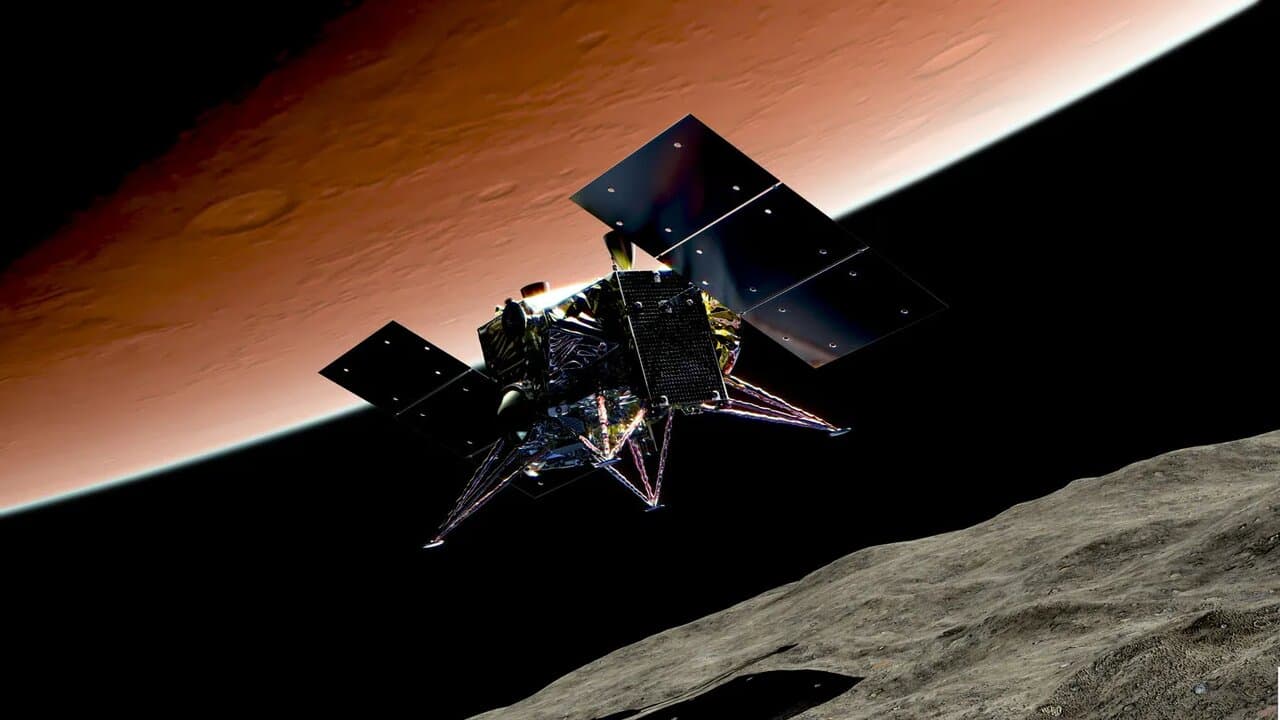
TEHRAN, Oct 19 (OPA) — The Japan Aerospace Exploration Agency (JAXA) has finalized plans for its MMX mission, which seeks to land on Phobos, the larger of Mars’ two moons. The spacecraft will collect approximately 10 grams of surface material before conducting a flyby of the smaller moon, Deimos, and beginning its return journey to Earth.
Projected to land in a remote region of Australia in 2031, the mission aims to resolve long-standing questions regarding the origin of the Martian moons. Scientists currently debate whether Phobos and Deimos are captured asteroids or remnants of a massive impact event that occurred on the Martian surface.
Beyond the moons themselves, researchers anticipate the samples may contain debris ejected from Mars during past celestial collisions. Analyzing these particles in a laboratory setting could provide unprecedented data regarding the chemical composition of the Martian surface and the planet’s geological history.
If successful, the MMX mission will mark the first time samples from Phobos have been returned to Earth. This achievement would provide a new pathway for studying Martian-related materials without the immediate logistical constraints of a direct landing on the planet’s surface.
Subscribe to the Global Briefing
Receive our flagship executive dispatch every morning. Essential geopolitical analysis, financial benchmarks, and breaking world events delivered to your inbox.
Mohammad Karamali
Verified Wire ContributorSenior correspondent covering geopolitics, regional developments, and strategic international affairs for OPA News (Optimum Public Affairs).
Related Stories & Follow-ups
Editorial Wire Science
Nobel Prize in Chemistry Awarded to Henri B. Kagan and Kenso Soai
 Science
Nobel Physics Prize Awarded to Francis Halzen for Astrophysical Neutrino Breakthrough
 Science
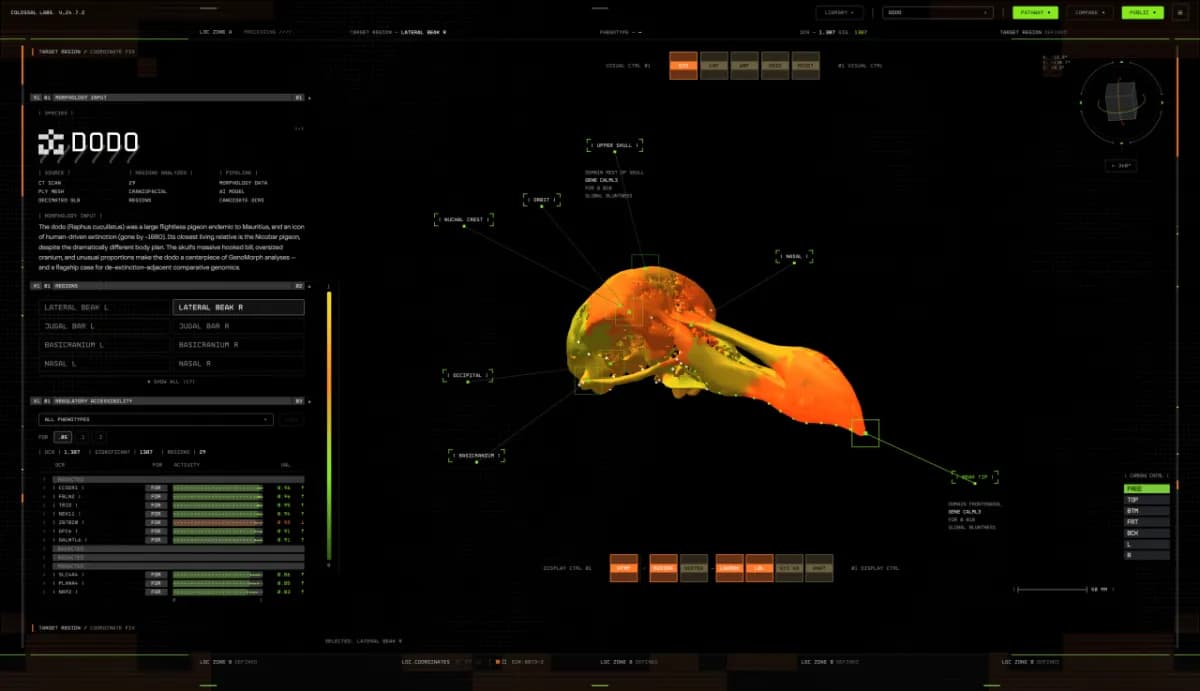
Colossal Biosciences Unveils AI Platform GenoMorph to Accelerate Dodo De-Extinction Efforts
Reader Discussion
Leave a Comment
0 Comments
Owner
Editorial Oversight & Machine-Assisted Reporting
Human-in-the-Loop VerifiedEditorial Oversight & Machine-Assisted Reporting: This dispatch was synthesized and localized via OPA automated intelligence under continuous human editorial supervision.
Wire Source
This report was synthesized from Khabar Online under journalistic fair use.