
Researchers identify first Neanderthal remains in Spain’s Navarre region
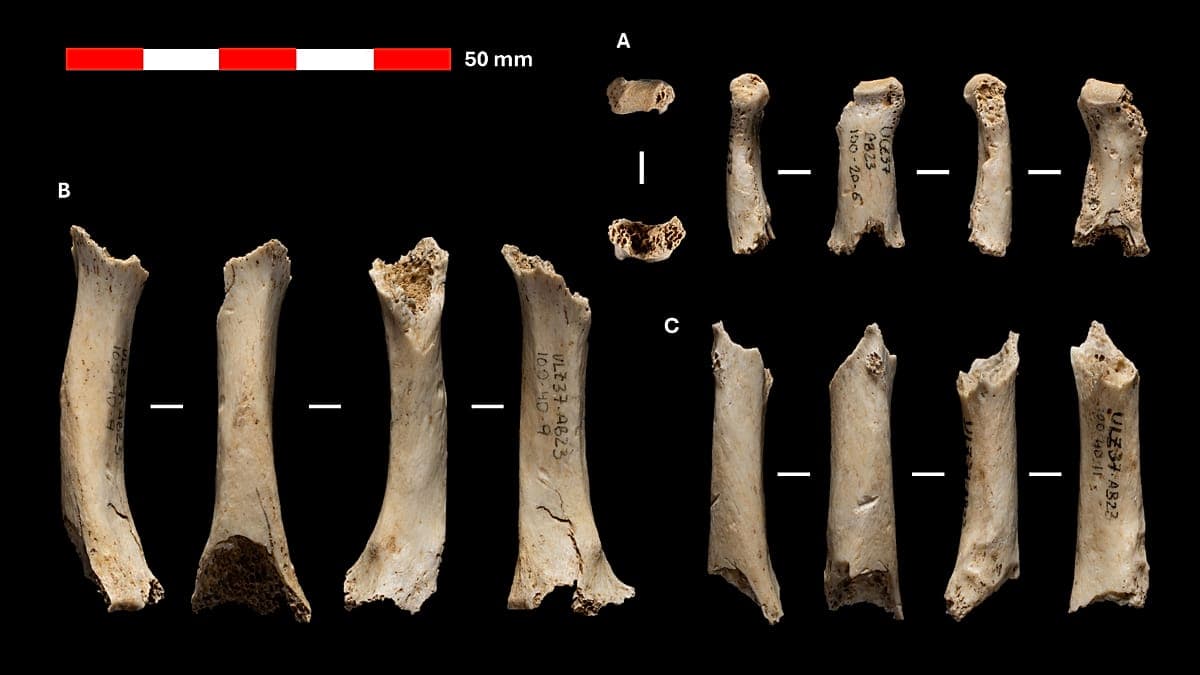
Key Takeaways
- Six bone fragments identified as Neanderthal, dating back 46,000 years.
- First direct evidence of Neanderthal presence in the Navarre region.
- Analysis conducted by an international team using radiocarbon dating and palaeoproteomics.
OPA WIRE, Oct 20 (OPA) — The remains, which include three metacarpal bones and a middle phalanx from a right hand, were recovered during previous excavation campaigns at the Abauntz site. Researchers confirmed the identity of the individual through a combination of protein analysis and genetic testing. Some of the bones exhibit carnivore bite marks, providing evidence of post-mortem scavenging within the cave environment.
Project co-director Andion Arteaga stated that the findings provide the first definitive proof of Neanderthal activity in this specific area of the western Pyrenees. The fossils were discovered alongside stone tools and animal remains, suggesting the site served as a functional space for human groups. The team utilized radiocarbon dating and palaeoproteomics to establish the chronology, working in collaboration with the University of Vienna and the Max Planck Institute for Evolutionary Anthropology.
This discovery fills a significant gap in the archaeological record of the Iberian Peninsula. The Abauntz cave is situated in a natural corridor that historically linked the peninsula to the rest of Europe, making it a strategic location for studying the mobility and interactions of ancient human populations. The site offers a rare opportunity to examine demographic dynamics during the period preceding the species' disappearance approximately 40,000 years ago.
The research project is led by the Institut Català de Paleoecologia Humana i Evolució Social (Iphes-Cerca) and involves more than 25 specialists from various international institutions. Ongoing genetic analyses are expected to yield further data regarding the evolutionary history of these populations. Excavations at the cave remain active, supported by the Government of Navarre and the Palarq Foundation.
Subscribe to the Global Briefing
Receive our flagship executive dispatch every morning. Essential geopolitical analysis, financial benchmarks, and breaking world events delivered to your inbox.
Mohammad Karamali
Verified Wire ContributorSenior correspondent covering geopolitics, regional developments, and strategic international affairs for OPA News (Optimum Public Affairs).
Related Stories & Follow-ups
Editorial Wire Science
Nobel Prize in Chemistry Awarded to Henri B. Kagan and Kenso Soai
 Science
Nobel Physics Prize Awarded to Francis Halzen for Astrophysical Neutrino Breakthrough
 Science
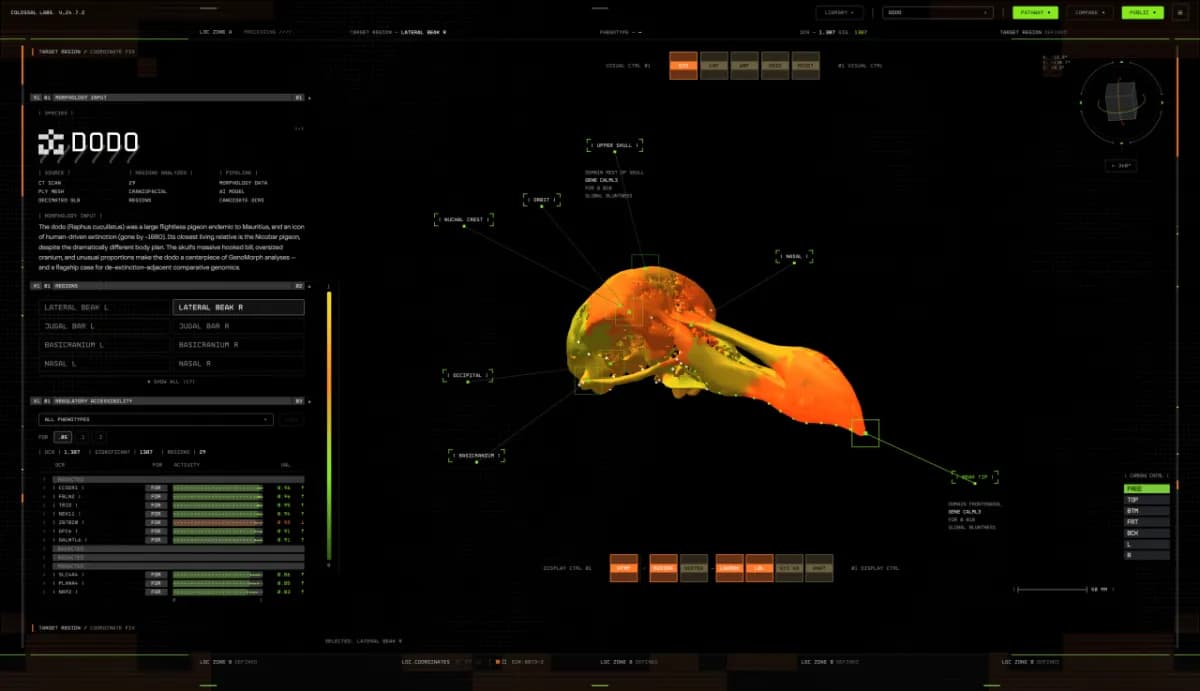
Colossal Biosciences Unveils AI Platform GenoMorph to Accelerate Dodo De-Extinction Efforts
Reader Discussion
Leave a Comment
0 Comments
Owner
Editorial Oversight & Machine-Assisted Reporting
Human-in-the-Loop VerifiedEditorial Oversight & Machine-Assisted Reporting: This dispatch was synthesized and localized via OPA automated intelligence under continuous human editorial supervision.
Wire Source
This report was synthesized from Euro News under journalistic fair use.