
Turkey Completes First Material Irradiation Experiment at TARLA Particle Accelerator
Key Takeaways
- TARLA is Turkey's first domestic particle accelerator facility located at Ankara University.
- The first experiment involved exposing glass and plexiglass to gamma rays to measure radiation response.
- The facility aims to improve satellite component durability and support future nuclear medicine research.
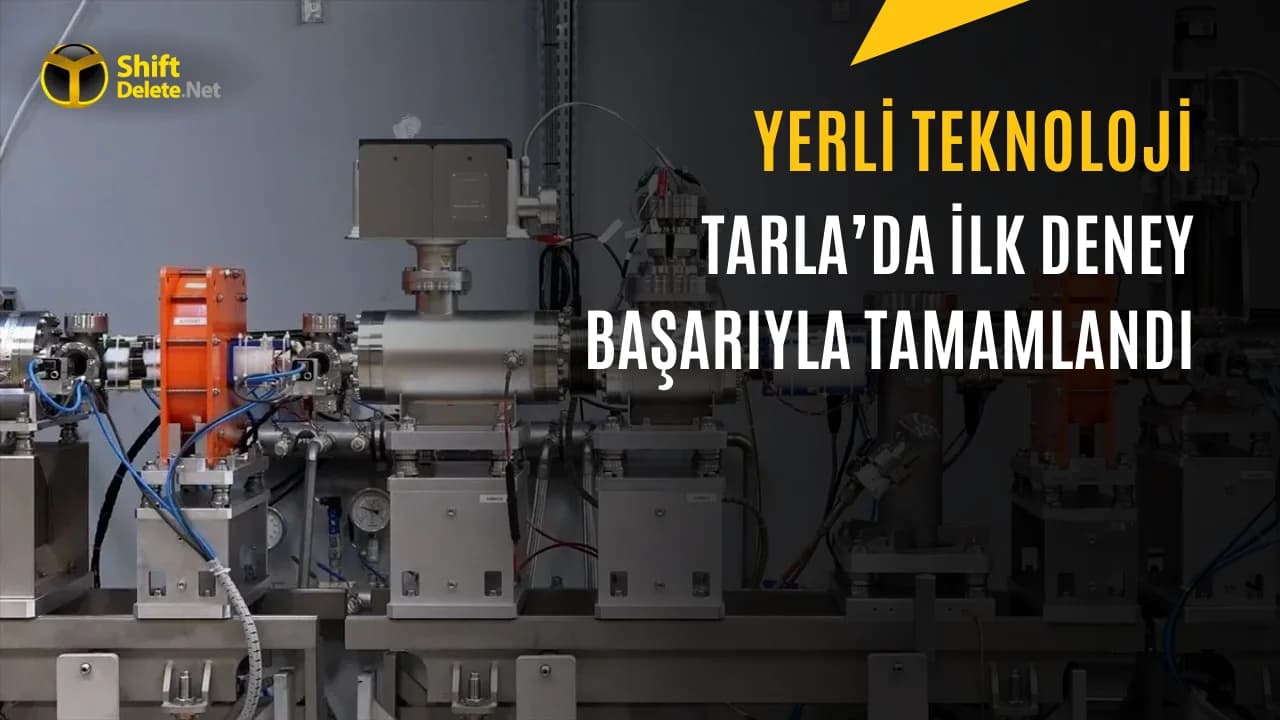
ANKARA, Oct 21 (OPA) — The Turkish Accelerator and Radiation Laboratory (TARLA) successfully completed its inaugural material irradiation test, marking a milestone for the nation's scientific infrastructure. Researchers utilized gamma rays generated by accelerated electrons to bombard glass and plexiglass samples, measuring the materials' responses to controlled radiation exposure.
The experimental data revealed distinct physical changes in the test subjects. The glass sample exhibited significant color shifts, while the plexiglass displayed structural degradation and physical fractures. These results confirm that the facility can effectively simulate harsh radiation environments to test component durability under laboratory conditions.
This capability addresses a major challenge for the aerospace sector, where satellites face constant cosmic radiation that degrades optical sensors and electronic components. By testing materials at TARLA, engineers can develop more resilient hardware for space missions and potentially devise methods to restore radiation-damaged optical systems. The facility provides a controlled environment to study how high-energy particles interact with various substances.
Beyond aerospace applications, the laboratory is planning research into medical physics, specifically focusing on radioactive substances used in cancer diagnosis and treatment. By developing domestic expertise in nuclear medicine, the facility aims to support the production of local diagnostic technologies. The integration of this infrastructure is expected to accelerate research across the defense, health, and technology sectors.
Subscribe to the Global Briefing
Receive our flagship executive dispatch every morning. Essential geopolitical analysis, financial benchmarks, and breaking world events delivered to your inbox.
Mohammad Karamali
Verified Wire ContributorSenior correspondent covering geopolitics, regional developments, and strategic international affairs for OPA News (Optimum Public Affairs).
Related Stories & Follow-ups
Editorial Wire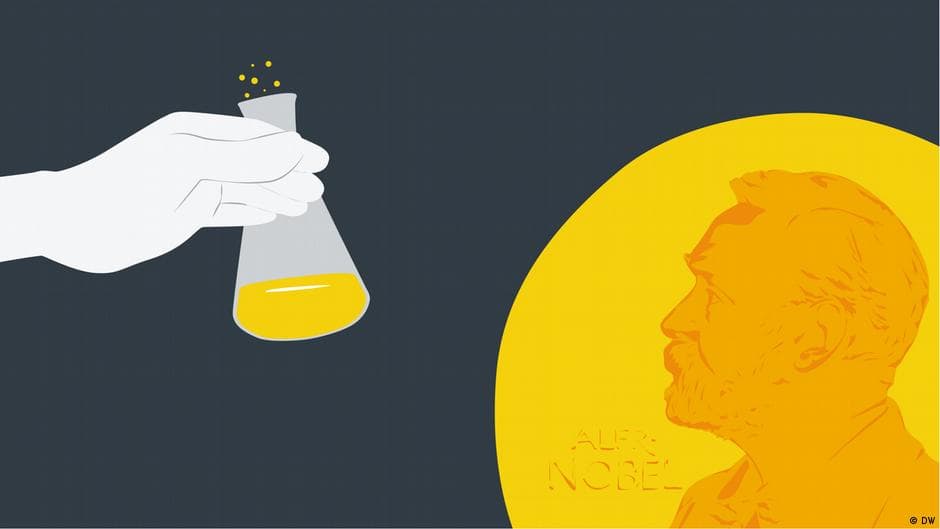 Science
Nobel Prize in Chemistry Awarded to Henri B. Kagan and Kenso Soai
 Science
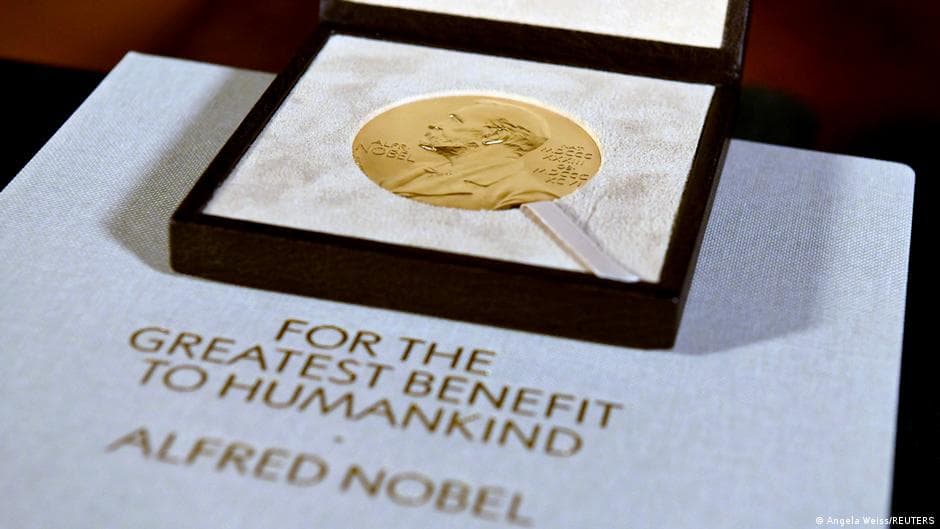
Nobel Physics Prize Awarded to Francis Halzen for Astrophysical Neutrino Breakthrough
 Science
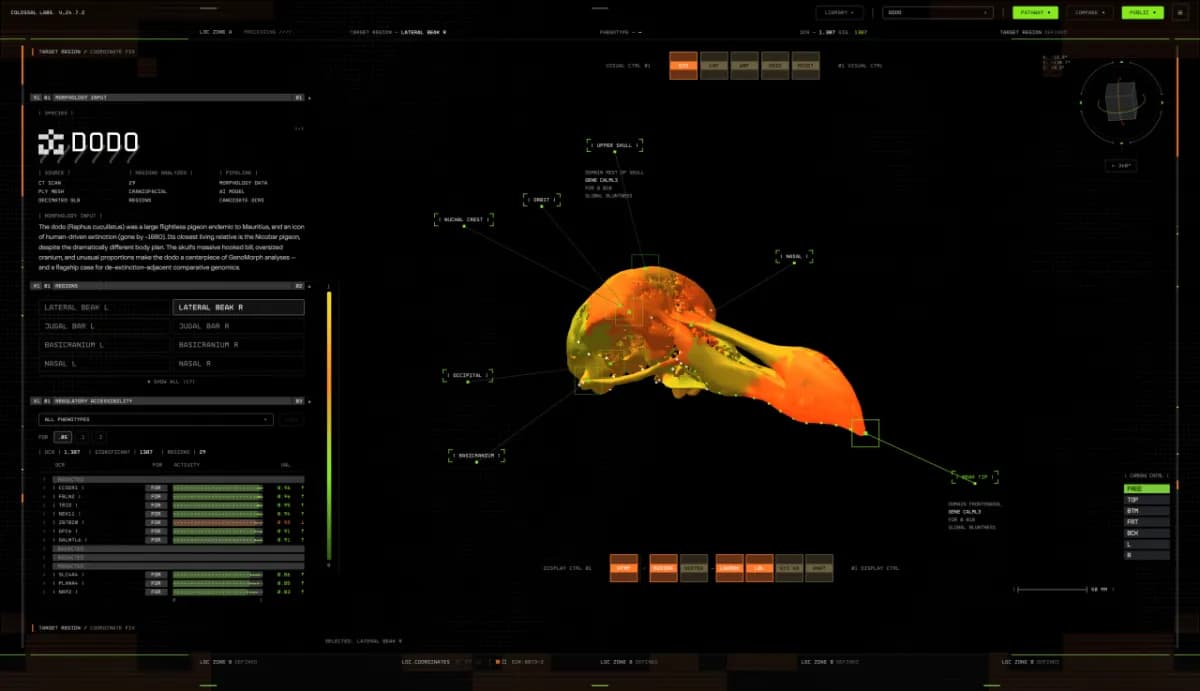
Colossal Biosciences Unveils AI Platform GenoMorph to Accelerate Dodo De-Extinction Efforts
Reader Discussion
Leave a Comment
0 Comments
Owner
Editorial Oversight & Machine-Assisted Reporting
Human-in-the-Loop VerifiedEditorial Oversight & Machine-Assisted Reporting: This dispatch was synthesized and localized via OPA automated intelligence under continuous human editorial supervision.
Wire Source
This report was synthesized from ShiftDelete under journalistic fair use.