
Deepwater Horizon spill caused long-term collapse of Gulf of Mexico ecosystem, study finds
Key Takeaways
- Animal populations in the deep Gulf of Mexico declined by 60 to 85 percent after the 2010 spill.
- The study analyzed data from 2015 to 2023 to confirm the lack of ecosystem recovery.
- The Deepwater Horizon disaster released 4.9 million barrels of oil and 7.7 billion cubic feet of gas.
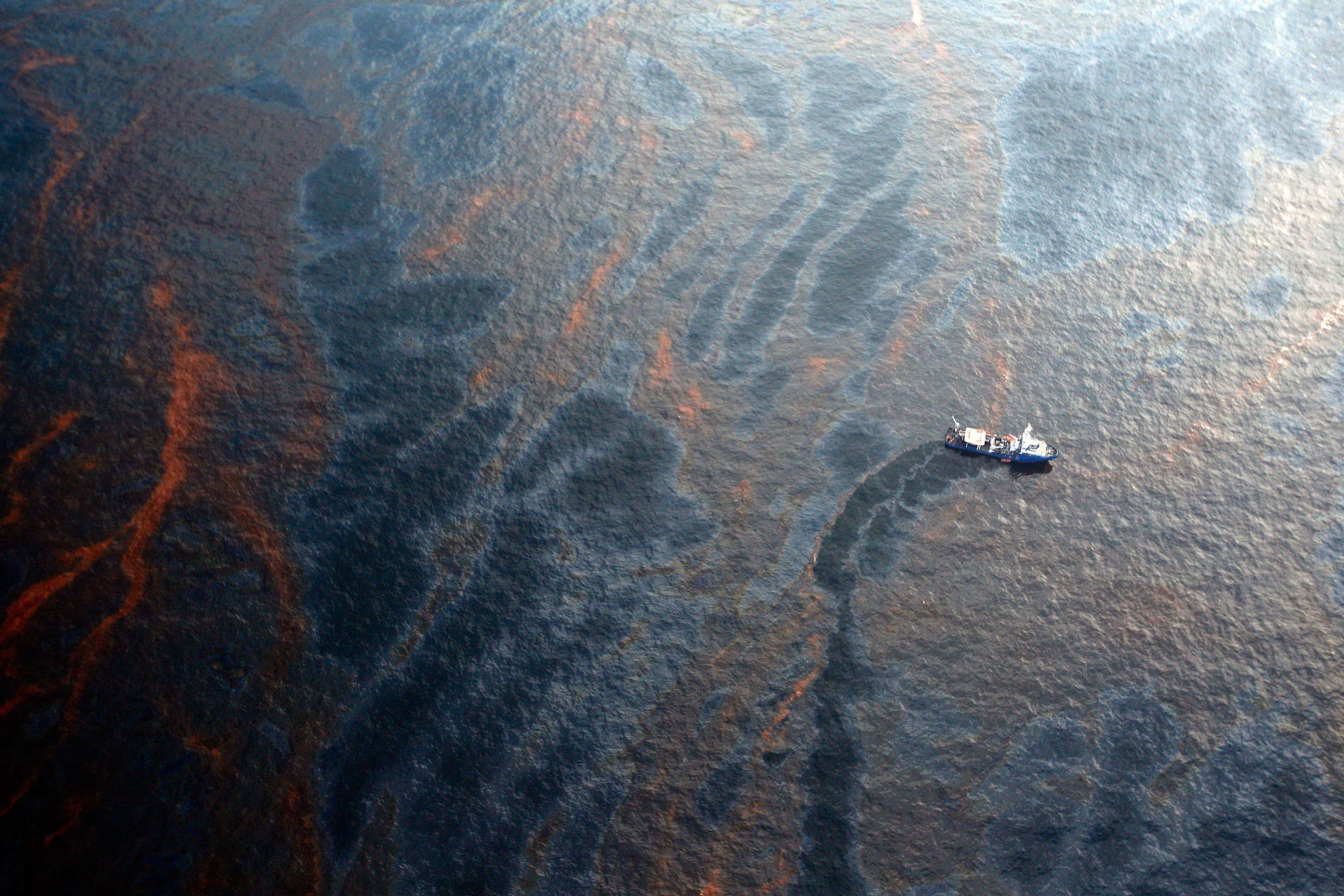
OPA WIRE, Oct 25 (OPA) — Marine life populations, including krill, squid, and shrimp, suffered a catastrophic decline of 60 to 85 percent in the years following the 2010 Deepwater Horizon explosion. Published in the Proceedings of the National Academy of Sciences, the research identifies the spill as the primary driver of this collapse, ruling out fluctuations in water temperature or oxygen levels. The study marks the most severe faunal decline ever documented for the planet's largest ecosystem type.
Lead author Tracey Sutton of Nova Southeastern University noted that the impacts have rippled through the food web, affecting large predators like sperm whales. Researchers utilized nine years of sampling data between 2015 and 2023, comparing findings against 2011 baselines. The data, corroborated by net hauls, acoustic surveys, and genetic sampling, indicates that the deep-sea environment remains in a diminished state with limited resilience.
The Deepwater Horizon rig, operated by BP, exploded on April 20, 2010, killing 11 people and releasing 4.9 million barrels of oil into the Gulf. While BP reached a $20.8 billion settlement in 2016 for environmental restoration, the study suggests that lingering pollutants continue to disrupt biological functions, such as the ability of deep-sea species to locate mates in the dark.
Experts warn that these findings carry implications for future industrial activities, including deep-sea mining. Marine biologist Bruce Robison, who was not involved in the study, emphasized that the Gulf has failed to recover 15 years after the blowout. The research suggests that human-induced damage to deep-ocean habitats may be more permanent than previously understood, complicating efforts to restore baseline ecological conditions.
Subscribe to the Global Briefing
Receive our flagship executive dispatch every morning. Essential geopolitical analysis, financial benchmarks, and breaking world events delivered to your inbox.
Mohammad Karamali
Verified Wire ContributorSenior correspondent covering geopolitics, regional developments, and strategic international affairs for OPA News (Optimum Public Affairs).
Related Stories & Follow-ups
Editorial Wire Science
Nobel Prize in Chemistry Awarded to Henri B. Kagan and Kenso Soai
 Science
Nobel Physics Prize Awarded to Francis Halzen for Astrophysical Neutrino Breakthrough
 Science
Colossal Biosciences Unveils AI Platform GenoMorph to Accelerate Dodo De-Extinction Efforts
Reader Discussion
Leave a Comment
0 Comments
Owner
Editorial Oversight & Machine-Assisted Reporting
Human-in-the-Loop VerifiedEditorial Oversight & Machine-Assisted Reporting: This dispatch was synthesized and localized via OPA automated intelligence under continuous human editorial supervision.
Wire Source
This report was synthesized from Wired under journalistic fair use.