
Why Fusion Reactors Must Exceed Solar Core Temperatures to Generate Power
Key Takeaways
- Fusion reactors require temperatures exceeding 100 million degrees Celsius.
- Terrestrial reactors must compensate for a lack of solar-scale gravitational pressure.
- High heat is necessary to overcome the Coulomb barrier between atomic nuclei.
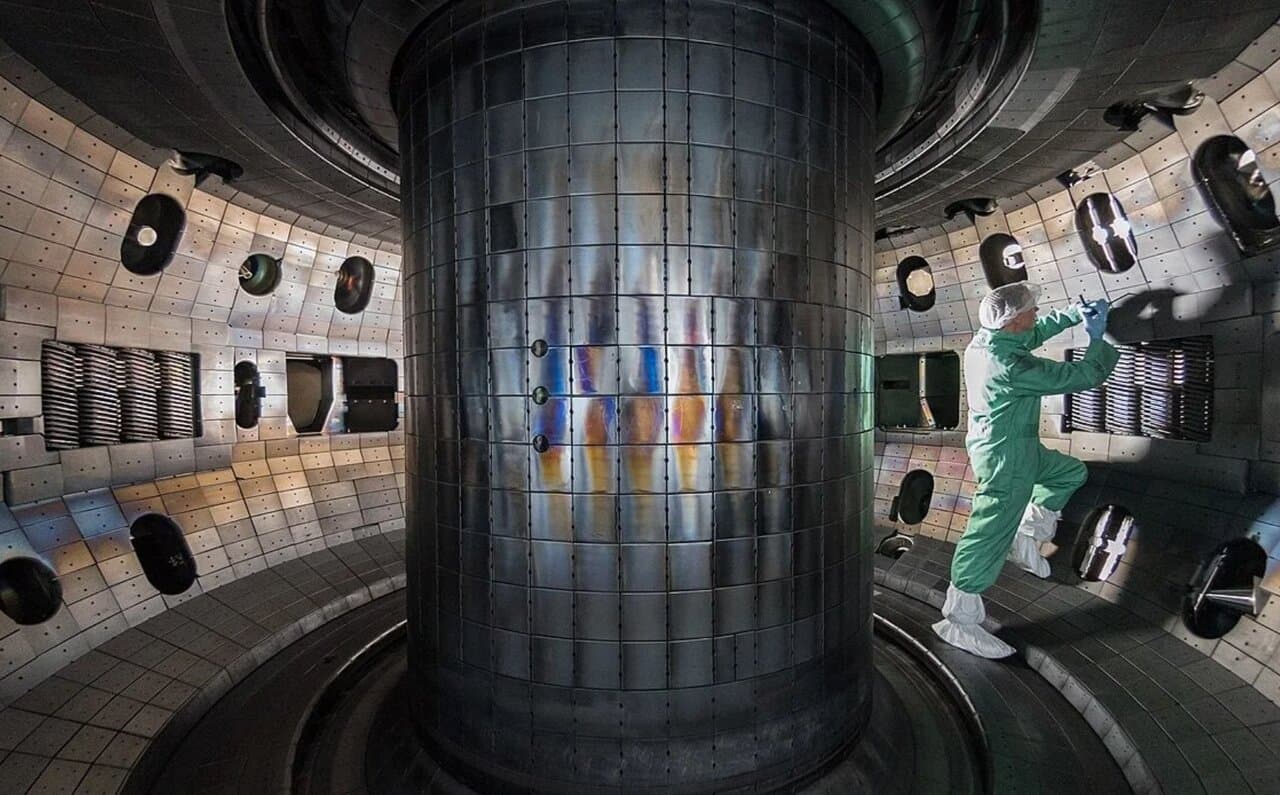
TEHRAN, Nov 1 (OPA) — Nuclear fusion reactors operate under conditions far more intense than those found at the center of the sun. While the sun’s core reaches approximately 15 million degrees Celsius, terrestrial fusion reactors must achieve temperatures exceeding 100 million degrees Celsius to initiate a self-sustaining reaction.
The primary obstacle to fusion is the Coulomb barrier, the electrostatic force that causes positively charged nuclei to repel one another. At solar densities, the sun relies on its immense gravitational pressure to facilitate fusion over long periods. Earth-based reactors lack this gravitational force, necessitating extreme kinetic energy to overcome repulsion through heat alone.
To achieve this, engineers utilize magnetic confinement systems, such as tokamaks, to suspend plasma at these extreme temperatures. By heating the fuel—typically a mixture of deuterium and tritium—to millions of degrees, particles move with sufficient velocity to collide and fuse, releasing significant amounts of energy in the process.
Maintaining these temperatures remains the central challenge for commercial fusion viability. Researchers continue to refine plasma stability and heating methods to ensure that the energy output from the fusion reaction exceeds the substantial power required to heat and contain the plasma in a controlled environment.
Subscribe to the Global Briefing
Receive our flagship executive dispatch every morning. Essential geopolitical analysis, financial benchmarks, and breaking world events delivered to your inbox.
Mohammad Karamali
Verified Wire ContributorSenior correspondent covering geopolitics, regional developments, and strategic international affairs for OPA News (Optimum Public Affairs).
Related Stories & Follow-ups
Editorial Wire Science
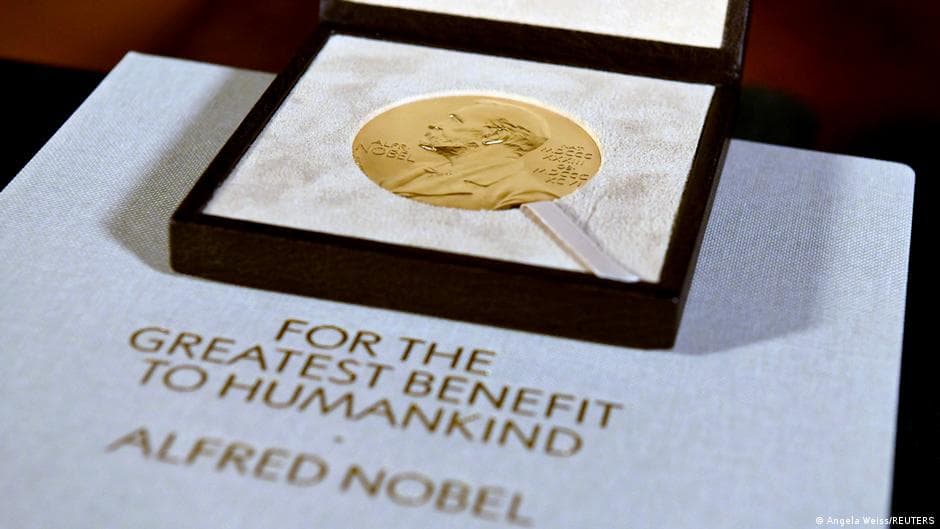
Nobel Prize in Chemistry Awarded to Henri B. Kagan and Kenso Soai
 Science
Nobel Physics Prize Awarded to Francis Halzen for Astrophysical Neutrino Breakthrough
 Science
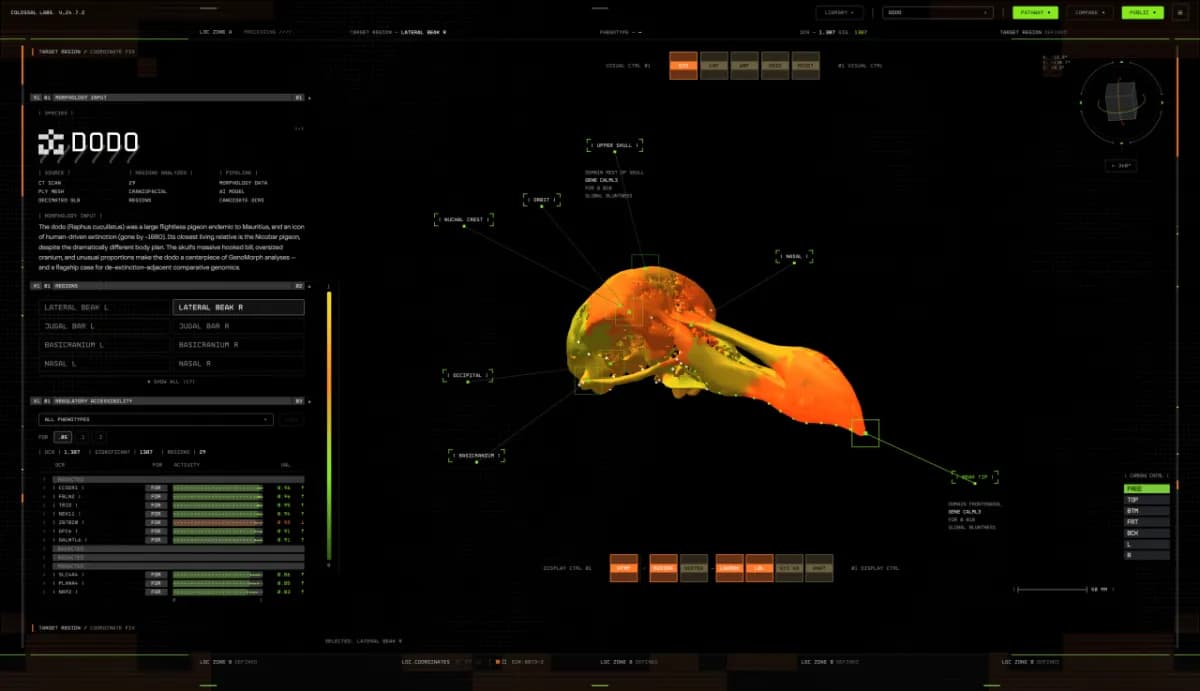
Colossal Biosciences Unveils AI Platform GenoMorph to Accelerate Dodo De-Extinction Efforts
Reader Discussion
Leave a Comment
0 Comments
Owner
Editorial Oversight & Machine-Assisted Reporting
Human-in-the-Loop VerifiedEditorial Oversight & Machine-Assisted Reporting: This dispatch was synthesized and localized via OPA automated intelligence under continuous human editorial supervision.
Wire Source
This report was synthesized from ISNA under journalistic fair use.