
NASA’s Swift Space Telescope Set for Uncontrolled Reentry Into Earth’s Atmosphere
Key Takeaways
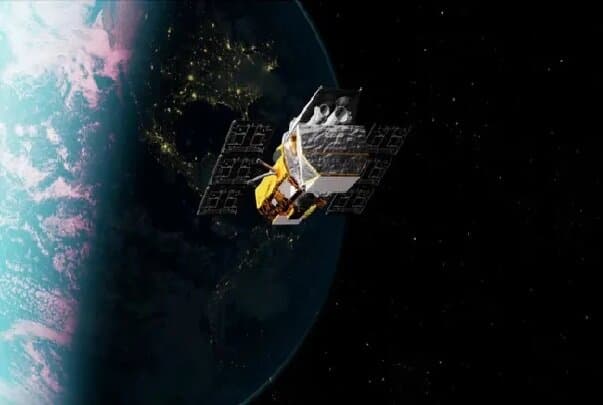
- NASA's Swift space telescope is performing an uncontrolled reentry after its orbit decayed to 275 kilometers.
- The 1,500-kilogram observatory concluded its two-decade mission on October 20 following a failed robotic rescue attempt.
- Precise impact time and location remain unknown as the craft descends through the atmosphere.
TEHRAN, Nov 2 (OPA) — NASA confirmed that the Swift space telescope has entered a terminal descent after its orbit decayed to an altitude of 275 kilometers. The agency initiated a safe-mode shutdown of the observatory’s instruments after determining the craft could no longer overcome atmospheric drag. The mission, managed by teams at Pennsylvania State University, officially concluded operations on October 20.
Launched in November 2004, the observatory spent two decades monitoring high-energy cosmic events. It utilized three specialized instruments—the Burst Alert Telescope (BAT), X-Ray Telescope (XRT), and Ultraviolet/Optical Telescope (UVOT)—to track gamma-ray bursts. These phenomena are recognized as some of the most powerful explosions in the universe, and Swift’s data provided critical insights into their origins.
Engineers attempted a robotic rescue mission to extend the telescope's operational life, but the effort failed to stabilize its trajectory. With the craft now lacking the propulsion capability to maintain its position, it is subject to the increasing pull of Earth’s upper atmosphere. The 1,500-kilogram mass of the satellite makes it a significant object, though the agency has not yet provided specific projections regarding debris survival.
Project officials currently cannot determine the precise time or location of the telescope’s reentry. As the satellite continues its uncontrolled descent, tracking data remains limited by the unpredictable nature of atmospheric density fluctuations. NASA continues to monitor the craft’s path, though no further maneuvers are possible to alter its final trajectory.
Subscribe to the Global Briefing
Receive our flagship executive dispatch every morning. Essential geopolitical analysis, financial benchmarks, and breaking world events delivered to your inbox.
Mohammad Karamali
Verified Wire ContributorSenior correspondent covering geopolitics, regional developments, and strategic international affairs for OPA News (Optimum Public Affairs).
Related Stories & Follow-ups
Editorial Wire Science
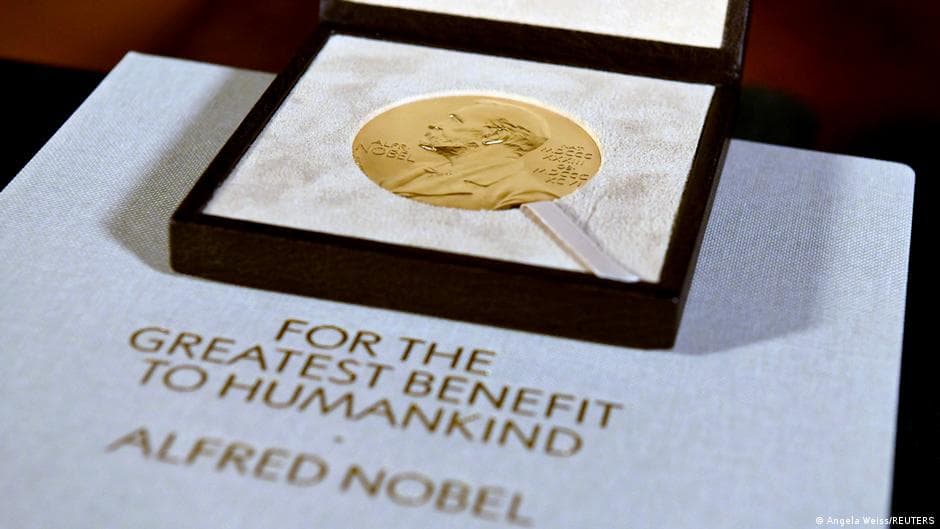
Nobel Prize in Chemistry Awarded to Henri B. Kagan and Kenso Soai
 Science
Nobel Physics Prize Awarded to Francis Halzen for Astrophysical Neutrino Breakthrough
 Science
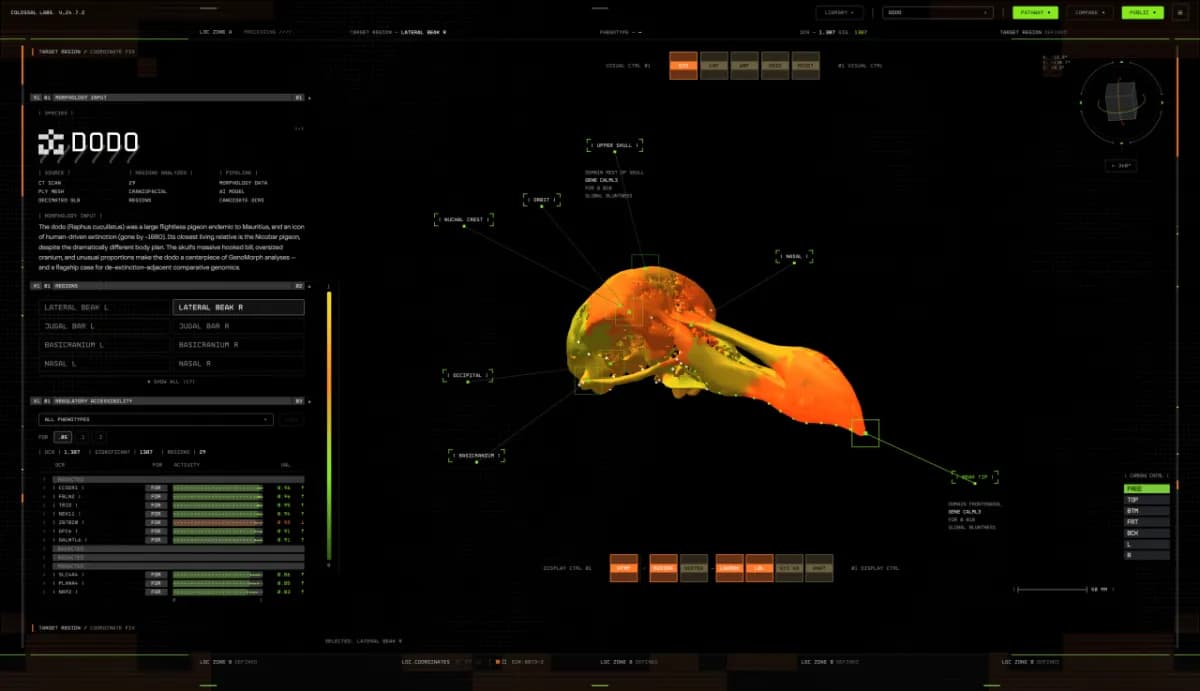
Colossal Biosciences Unveils AI Platform GenoMorph to Accelerate Dodo De-Extinction Efforts
Reader Discussion
Leave a Comment
0 Comments
Owner
Editorial Oversight & Machine-Assisted Reporting
Human-in-the-Loop VerifiedEditorial Oversight & Machine-Assisted Reporting: This dispatch was synthesized and localized via OPA automated intelligence under continuous human editorial supervision.
Wire Source
This report was synthesized from Mehr News under journalistic fair use.