
Childhood Imaginary Friends Linked to Sensed Presence in Adulthood, Study Finds

Key Takeaways
- Researchers at Izmir University of Economics evaluated 185 adults with no history of psychiatric disorders.
- Participants who had childhood imaginary friends averaged 25.51 on sensed presence scales, compared to 20.07 for others.
- Most remembered imaginary companions were located within 70 centimeters, aligning with peripersonal space neuroscience.
TEHRAN, Nov 4 (OPA) — Researchers surveyed 185 adults to measure the frequency of experiencing a sensed presence—the distinct feeling that another person is nearby without any visual or auditory cues. Among the participants, 45 individuals recalled having an imaginary friend during childhood, while none reported any history of psychiatric or neurological disorders. Using questionnaires to evaluate experiences over the past month, participants with a history of imaginary companions scored an average of 25.51. In contrast, other participants recorded an average score of 20.07, indicating a higher frequency of the phenomenon in the first group.
Further analysis of the recalled memories revealed details about the perceived location of these childhood companions. Out of 114 recorded distance estimates, 76 placed the imaginary friend at less than 70 centimeters away, typically positioned directly in front or beside the participant. This specific perimeter aligns with peripersonal space, a neuroscience concept describing the zone immediately surrounding the body that the brain monitors for movement, reaching, and interaction. Researchers suggest the brain may allocate a distinct spatial representation for an imaginary companion rather than treating them merely as abstract story characters.
Previous scientific investigations into the sensed presence phenomenon have focused on how the brain processes sensory and motor signals. In earlier robotic experiments, participants experienced a simulated presence when researchers introduced a temporal delay between voluntary hand movements and tactile feedback applied to their backs. This sensory mismatch indicates that the brain sometimes attributes the origin of bodily sensations to an external agent when internal feedback is disrupted. While the new study proposes shared neurological mechanisms between childhood imaginary companions and adult sensory experiences, investigators emphasize that the current findings remain correlational.
Several methodological limitations accompanied the research, notably the reliance on retrospective childhood memories rather than a longitudinal tracking design spanning decades. Additionally, the study cohort consisted primarily of female university participants, and self-selection bias remains a possibility due to participants knowing the study's focus. Investigators noted that longitudinal studies tracking children continuously into adulthood are necessary to determine any definitive causal relationship. The findings were published in the scientific journal Consciousness and Cognition.
Subscribe to the Global Briefing
Receive our flagship executive dispatch every morning. Essential geopolitical analysis, financial benchmarks, and breaking world events delivered to your inbox.
Mohammad Karamali
Verified Wire ContributorSenior correspondent covering geopolitics, regional developments, and strategic international affairs for OPA News (Optimum Public Affairs).
Related Stories & Follow-ups
Editorial Wire Science
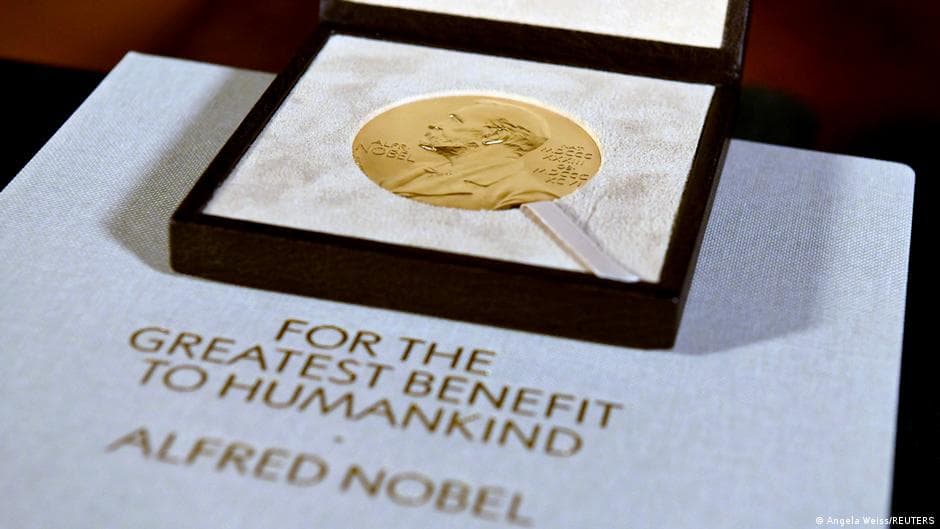
Nobel Prize in Chemistry Awarded to Henri B. Kagan and Kenso Soai
 Science
Nobel Physics Prize Awarded to Francis Halzen for Astrophysical Neutrino Breakthrough
 Science
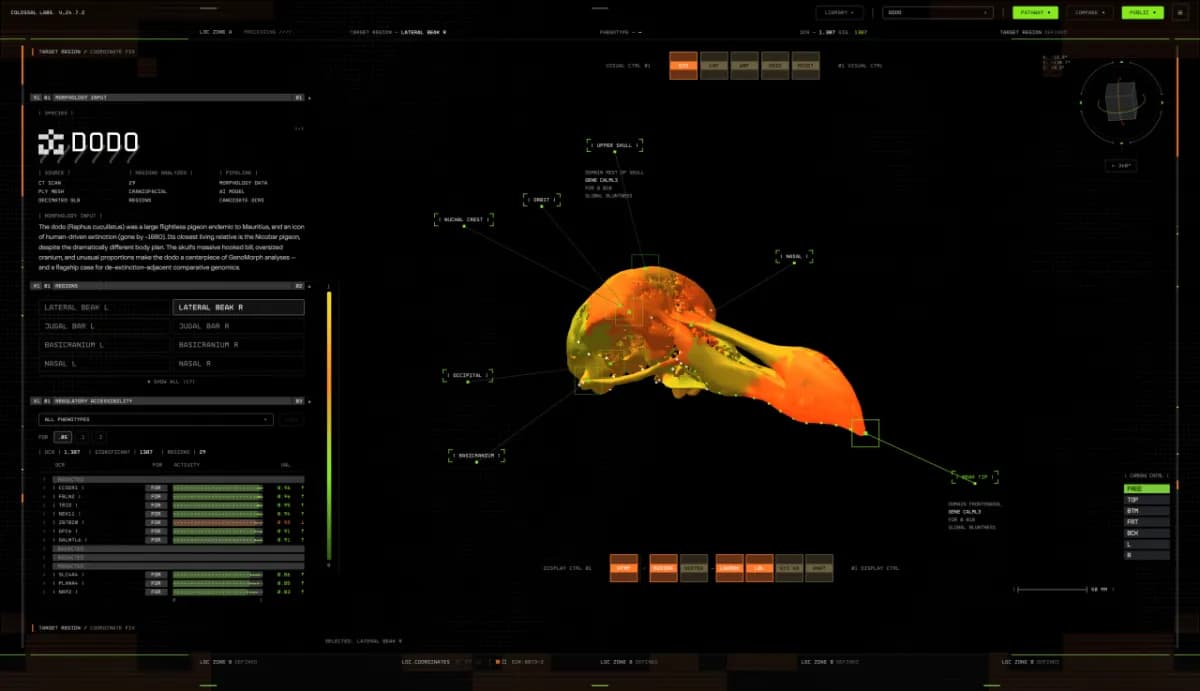
Colossal Biosciences Unveils AI Platform GenoMorph to Accelerate Dodo De-Extinction Efforts
Reader Discussion
Leave a Comment
0 Comments
Owner
Editorial Oversight & Machine-Assisted Reporting
Human-in-the-Loop VerifiedEditorial Oversight & Machine-Assisted Reporting: This dispatch was synthesized and localized via OPA automated intelligence under continuous human editorial supervision.
Wire Source
This report was synthesized from Khabar Online under journalistic fair use.