
Cats meow to get what they want, study reveals
Key Takeaways
- Researchers at the University of Sao Paulo studied 38 cats facing an unsolvable food task.
- Cats meowed significantly more when their owners were present compared to when they were alone.
- The findings suggest meowing is a pragmatic tool for securing human attention rather than a sign of affection.
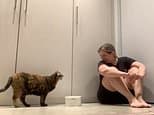
OPA WIRE, Nov 11 (OPA) — Scientists at the University of Sao Paulo evaluated the "audience effect" in felines by testing 38 cats with an inaccessible box containing their favorite food. The animals were monitored both with their owners present and absent. When owners were in the room, the cats meowed at a much higher frequency, frequently standing still and staring directly at the human. Conversely, when the owners were absent, the cats remained silent and stared at the door.
Published in the journal Animal Behaviour, the findings show that meowing functions as a socially directed signal. The research team noted that a greater proportion of the vocalizations occurred while the cats pointed their heads toward the humans. This behavior confirms that the animals deploy vocal signals strategically to influence human behavior and secure resources rather than simply reacting to internal emotional states.
The study adds to a growing body of research regarding feline cognition and interspecies communication. Separate recent findings indicate that cats struggle to distinguish emotional tones in human voices, reacting similarly to laughter, sobs, and shouts. Unlike dogs and horses, which process vocal emotions distinctly, domestic cats appear unable to interpret human moods through sound alone.
Despite these findings, animal behaviorists emphasize that felines communicate through alternative physical cues. Body language involving whiskers, tails, and facial expressions remains central to how cats interact with their environment and humans. The latest research specifically isolates vocalization as a pragmatic instrument for getting human attention.
Subscribe to the Global Briefing
Receive our flagship executive dispatch every morning. Essential geopolitical analysis, financial benchmarks, and breaking world events delivered to your inbox.
Mohammad Karamali
Verified Wire ContributorSenior correspondent covering geopolitics, regional developments, and strategic international affairs for OPA News (Optimum Public Affairs).
Related Stories & Follow-ups
Editorial Wire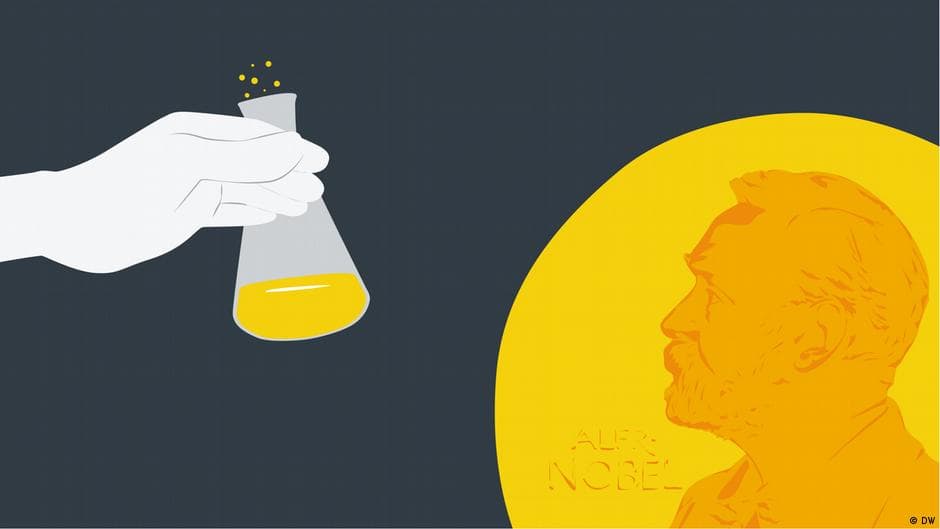 Science
Nobel Prize in Chemistry Awarded to Henri B. Kagan and Kenso Soai
 Science
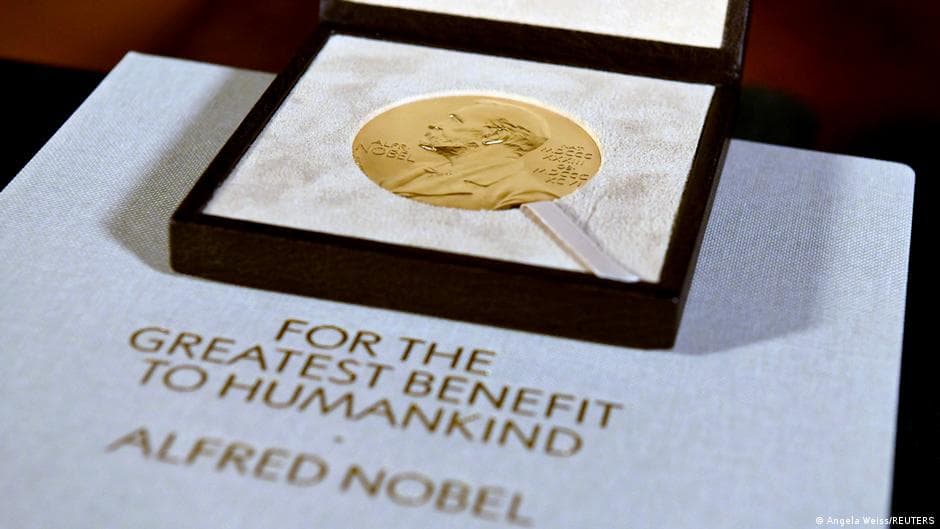
Nobel Physics Prize Awarded to Francis Halzen for Astrophysical Neutrino Breakthrough
 Science
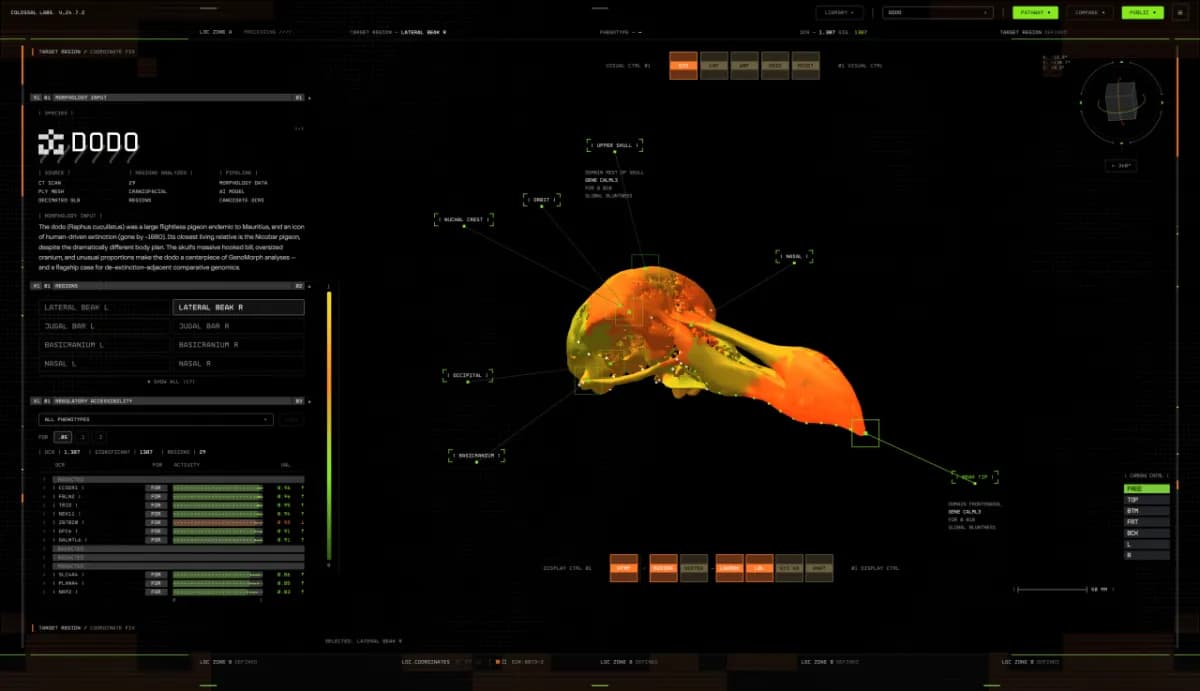
Colossal Biosciences Unveils AI Platform GenoMorph to Accelerate Dodo De-Extinction Efforts
Reader Discussion
Leave a Comment
0 Comments
Owner
Editorial Oversight & Machine-Assisted Reporting
Human-in-the-Loop VerifiedEditorial Oversight & Machine-Assisted Reporting: This dispatch was synthesized and localized via OPA automated intelligence under continuous human editorial supervision.
Wire Source
This report was synthesized from Daily Mail under journalistic fair use.