
Cat7 vs. Cat6: Decoding the Ethernet Standards for Modern Home Networks
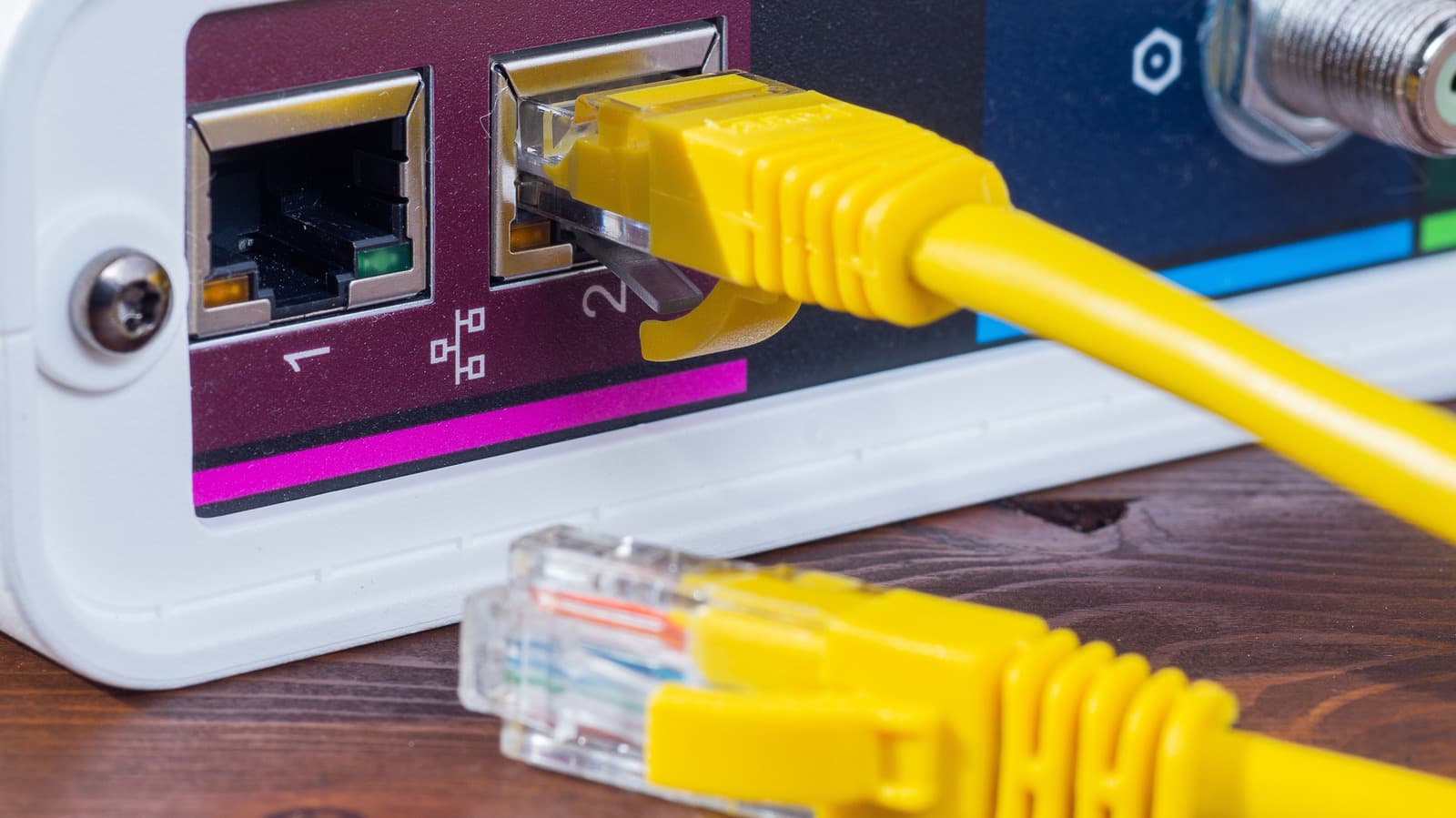
OPA WIRE, Sep 29 (OPA) — In the evolving landscape of home networking, the choice between Ethernet standards often leads to confusion for consumers. While Category 7 (Cat7) appears to be the logical successor to Category 6 (Cat6) due to its higher frequency rating and superior shielding, the reality of home infrastructure tells a different story. For the vast majority of residential users, Cat6 remains the gold standard, offering a perfect balance of performance, cost-effectiveness, and reliability that Cat7 simply cannot justify in a domestic setting.
Technically, Cat6 is rated at 250 MHz and is capable of supporting Gigabit Ethernet over a full 100-meter run, with the potential for 10Gbps speeds over shorter distances. Conversely, Cat7 is rated at 600 MHz, utilizing extensive foil shielding to mitigate electromagnetic interference and crosstalk. While these specifications appear superior on paper, Cat7 was never officially recognized by the Telecommunications Industry Association (TIA), rendering it an outlier in the standard evolution of home networking hardware.
Historically, Cat7 was designed for high-performance industrial environments where signal integrity is paramount. A true Cat7 installation requires specialized connectors, such as GG45 or TERA, to achieve its rated performance. Simply plugging a 'Cat7' labeled cable into standard RJ45 ports—the ubiquitous interface found on home routers and PCs—fails to create a true Cat7 channel. Consequently, many consumers pay a premium for cables that provide no tangible benefit over their existing Cat6 infrastructure.
From a practical standpoint, the bottleneck in most home networks is not the cable, but the hardware. If a router and PC are limited to 1Gbps ports, upgrading the cabling will yield zero performance gains. Furthermore, for those planning future-proof installations requiring 10Gbps over 100 meters, Cat6A is the industry-recommended path. Cat6A supports 500 MHz and is fully compliant with TIA standards, making it a far more logical investment than the non-standardized Cat7.
Looking ahead, the industry is shifting toward higher standards like Cat8 for specialized data centers, but for the average home, the focus should remain on Cat6 or Cat6A. Unless a residence is situated in an environment with extreme electromagnetic interference, the added cost and rigidity of Cat7 cables are unnecessary. Homeowners are advised to prioritize hardware upgrades and proper installation practices over chasing higher category numbers that offer no real-world advantage for standard residential internet usage.
Subscribe to the Global Briefing
Receive our flagship executive dispatch every morning. Essential geopolitical analysis, financial benchmarks, and breaking world events delivered to your inbox.
Mohammad Karamali
Verified Wire ContributorSenior correspondent covering geopolitics, regional developments, and strategic international affairs for OPA News (Optimum Public Affairs).
Related Stories & Follow-ups
Editorial Wire Technology
FEMA Alert Test Sparks Panic Amid Widespread Tech and Banking Outages
 Technology
Global Microsoft Outage Disrupts Critical Services Worldwide as 48-Hour Recovery Begins
 Technology
Nvidia Faces Global Crisis Following Shock Resignation of CEO Jensen Huang
Reader Discussion
Leave a Comment
0 Comments
Owner
Editorial Oversight & Machine-Assisted Reporting
Human-in-the-Loop VerifiedEditorial Oversight & Machine-Assisted Reporting: This dispatch was synthesized and localized via OPA automated intelligence under continuous human editorial supervision.
Wire Source
This report was synthesized from Engadget under journalistic fair use.